
27 Aug 2026
Progress Across East Georgia: The 2026 ECG | MEAG Power Economic Development Bus Tour
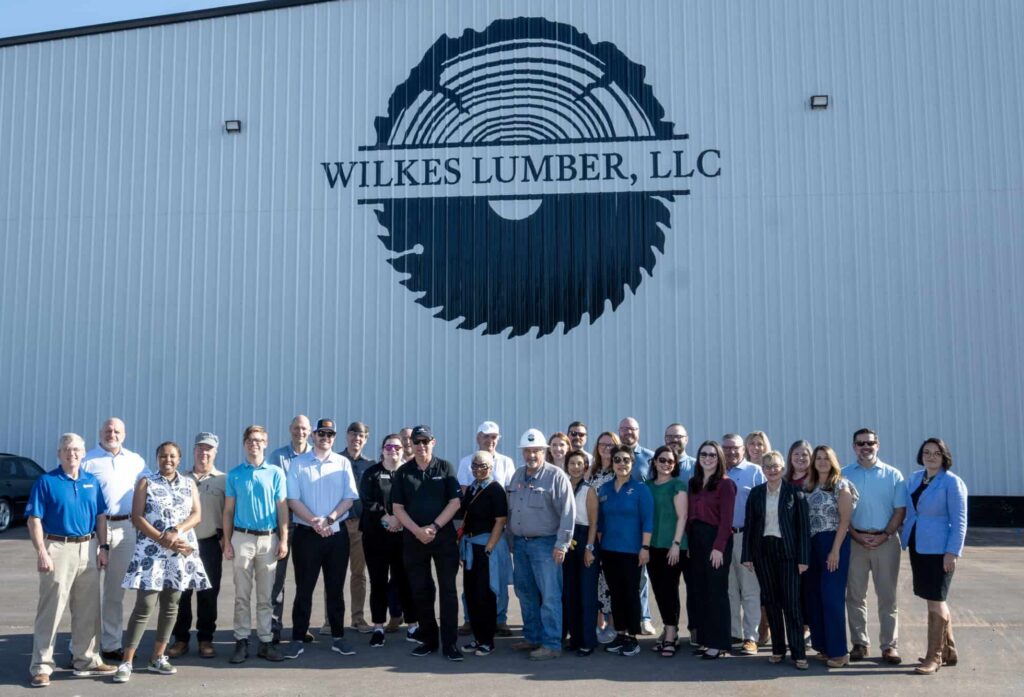
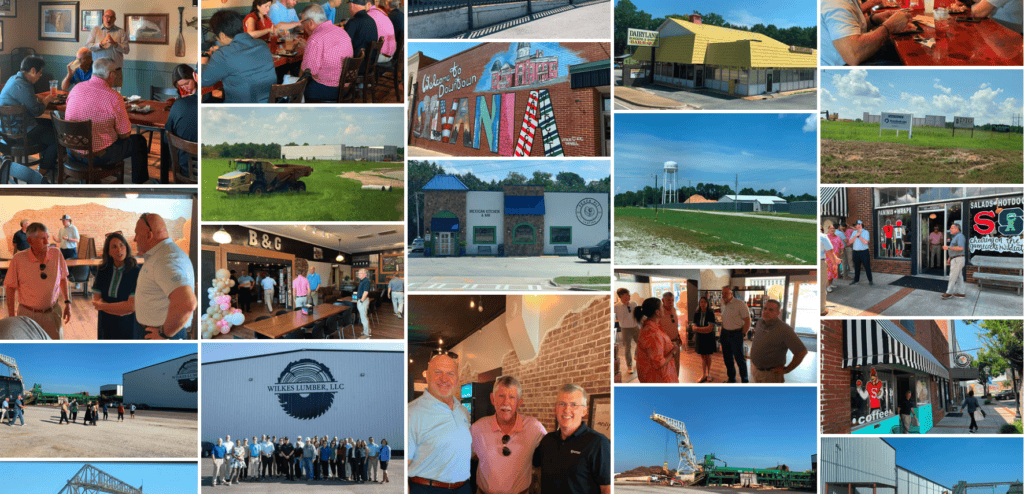
Over two days, the ECG | MEAG Power Economic Development Bus Tour traveled throughout East Georgia, visiting the cities of Sandersville, Sylvania, Washington, Elberton, and Commerce, meeting with local leaders, exploring industrial parks, development-ready sites, and seeing how communities are investing in infrastructure, downtown development, housing, and quality-of-life amenities to position themselves for future growth.
One of the most valuable aspects of the bus tour is the chance to bring together a diverse group of economic development professionals from utility partners, state agencies, and regional representatives. On the tour were partners from ECG, MEAG Power, the Gas Authority, the Georgia Department of Economic Development (GDEcD), the Georgia Department of Community Affairs (DCA), CSX, and the Georgia Municipal Association, who experienced firsthand the projects, partnerships, and investments and engaged directly with the community leaders shaping their communities’ futures.
TOUR HIGHLIGHTS
Communities Preparing for Opportunity
Our first stops in Sandersville and Sylvania highlighted the importance of preparation.
In Sandersville, local leaders showcased a community that continues to think strategically about growth. From industrial properties served by rail to future development opportunities and ongoing downtown investments, the message was clear: when opportunities come, they intend to be ready. The community’s industrial pipeline, combined with continued investment in downtown projects and commercial growth, reflects a long-term vision that extends well beyond the next announcement.
In Sylvania, that same forward-looking mindset was evident. Community leaders shared updates on the Preciball USA project, available industrial facilities, and plans for future development focused on advanced manufacturing and ag-tech industries. At the same time, the group was reminded that successful communities are about more than industrial recruitment. They are also about creating places where people enjoy spending time, whether that’s downtown, at local businesses, or gathering around places that become part of a community’s identity.
Progress You Can See & Investment in Communities, Not Just Projects
In Washington and Wilkes County, the progress was easy to see. At Wilkes Lumber, a $60 million investment has transformed a former industrial site into a modern operation that produces about 300,000 to 325,000 board feet of lumber per day. The community is also planning for future growth through a 486-acre GRAD-certified site, while new housing developments, including Washington Commons and 100 homes currently under construction, are helping meet workforce and attainable housing needs. CleanSpark’s expansion from 36 MW to 86 MW further demonstrates the scale of investment across the community.
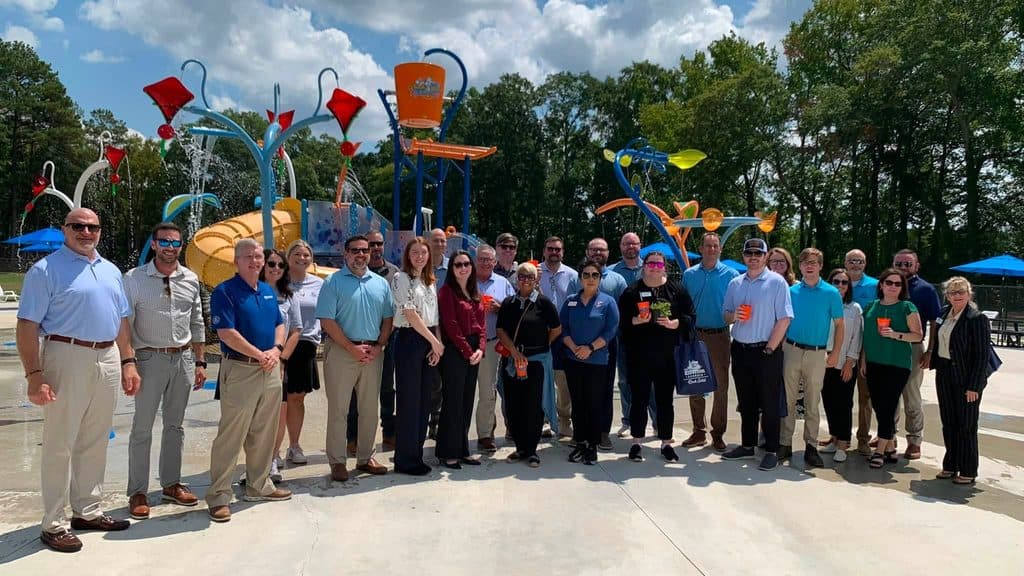
In Elberton, community leaders showcased investments spanning workforce development, infrastructure, industry, and quality of life. The Granite Capital of the World produces about two-thirds of all granite memorials sold in the United States, while agriculture generates more than $184 million in farm-gate value annually. Leaders also highlighted nearly $90 million in planned water and sewer improvements, fiber internet access reaching approximately 89% of the county, and Athens Technical College’s Elbert County campus, which serves roughly 500 students each semester. At the same time, quality-of-life investments like Splash Island, which welcomed more than 10,000 visitors during its first season, reflect a community focused on retaining and attracting residents.
In Commerce, the focus was on growth with purpose. Community leaders shared updates on approximately 530 approved housing units, a new one-million-gallon wastewater treatment plant expandable to four million gallons, and Piedmont’s investment in a new 30,000-square-foot healthcare facility. Industrial development continues to gain momentum through projects like the 480-acre Bana 85 Commerce Center, while downtown revitalization efforts have reduced storefront vacancies from roughly 47 vacant spaces to just six over the past decade. Together, these investments demonstrate how Commerce is leveraging its strategic location while creating a community where businesses and residents can thrive.
What We Took Away
The communities we visited may differ in size, geography, and economic strengths, but they share something important: a willingness to invest in their future. Across East Georgia, communities are expanding infrastructure, preparing industrial sites, strengthening workforce pipelines, revitalizing downtowns, building housing, and enhancing quality of life.
After two days of hearing directly from the people doing the work, one thing is clear: East Georgia has a great deal of momentum, and its communities are helping lead the way.
Electric Cities of Georgia (ECG) and the Gas Authority are collaborating as GA’s Energy Cities for economic development. Businesses seeking to locate in Georgia can quickly get access to available properties, community leaders, electric and gas resources, and more, all through one connection.
Follow us on social media for more details on our East Georgia Bus Tour, on Facebook, and on LinkedIn @ECGlocationgeorgia.