
09 Mar 2026
Building What’s Next: Takeaways from the 2026 Economic Development Summit
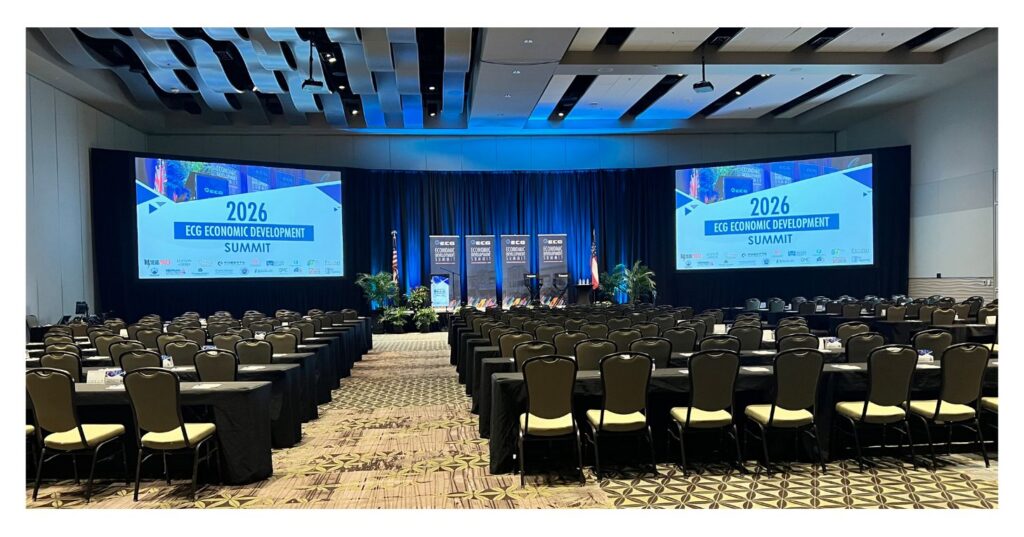
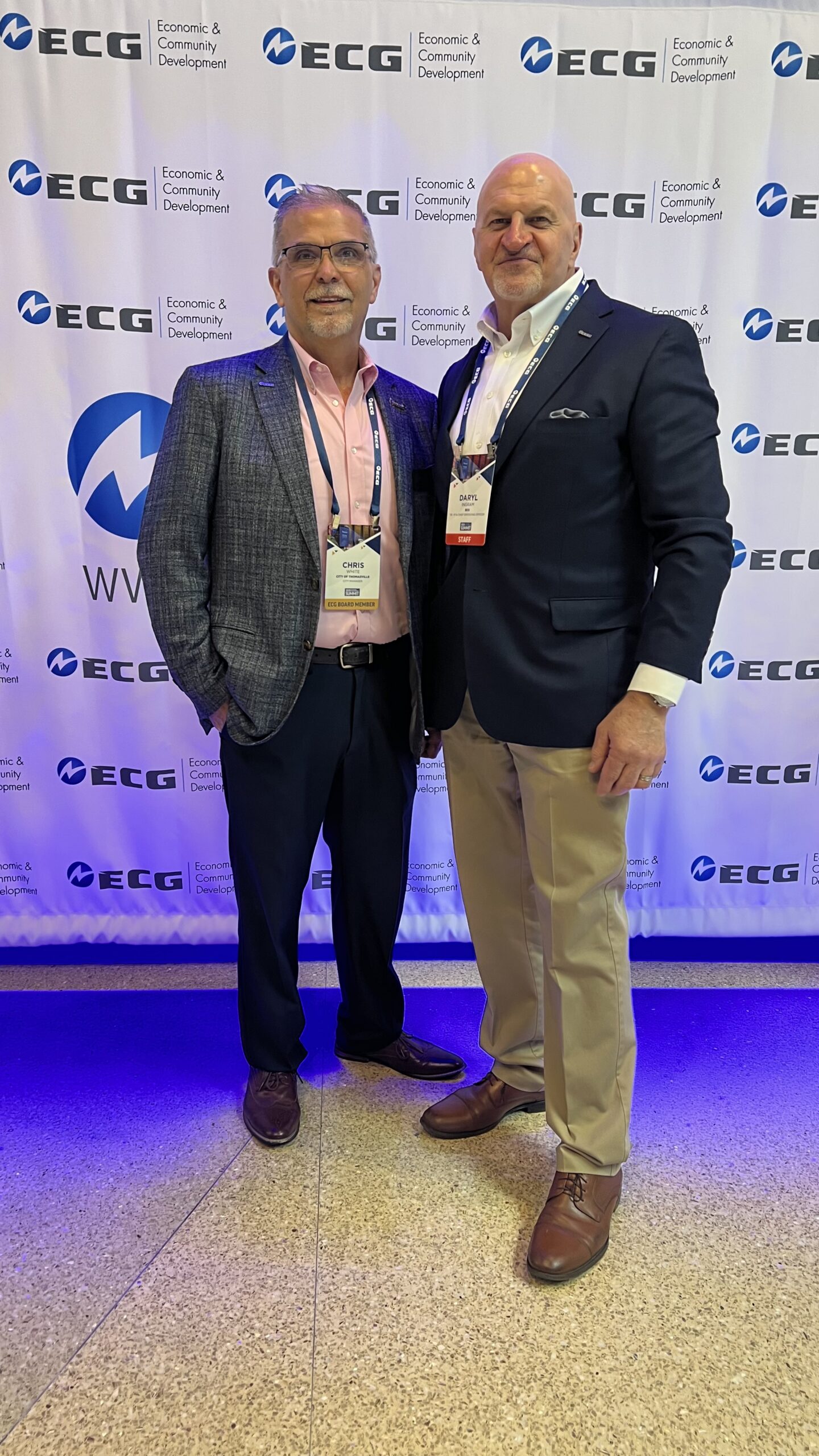
“At the end of the day, when you’re working in your community, it’s all-hands-on-deck, and everyone has to perform to make our Georgia Energy Cities successful. We want you to try to learn from each other…
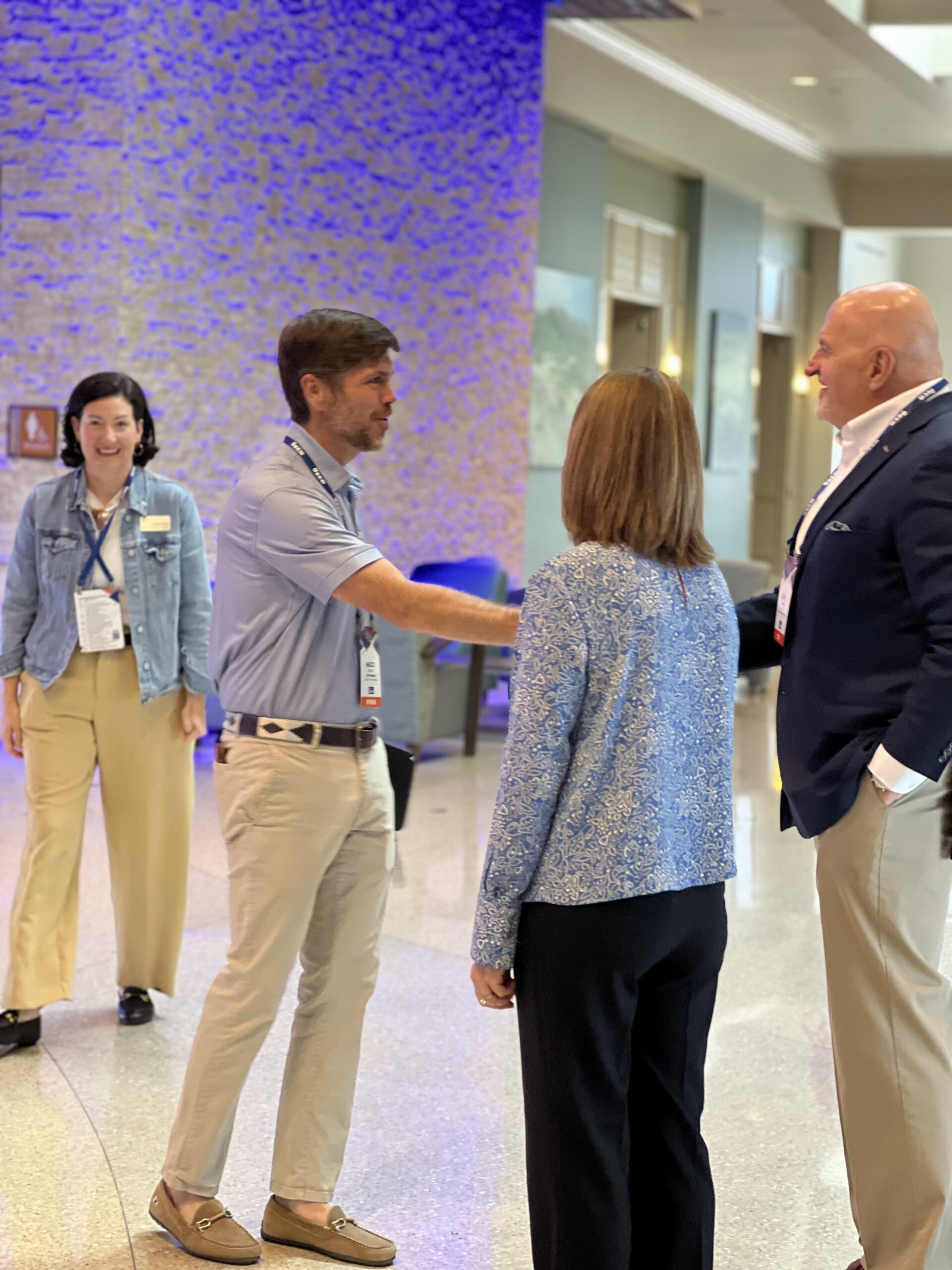
… Reach out across the aisle, speak to each other about some of the challenges and opportunities that you’re seeing in your community.” Remarks by Daryl Ingram, SVP & Chief Operating Officer, ECG.
There’s something powerful about getting the right people in the room.
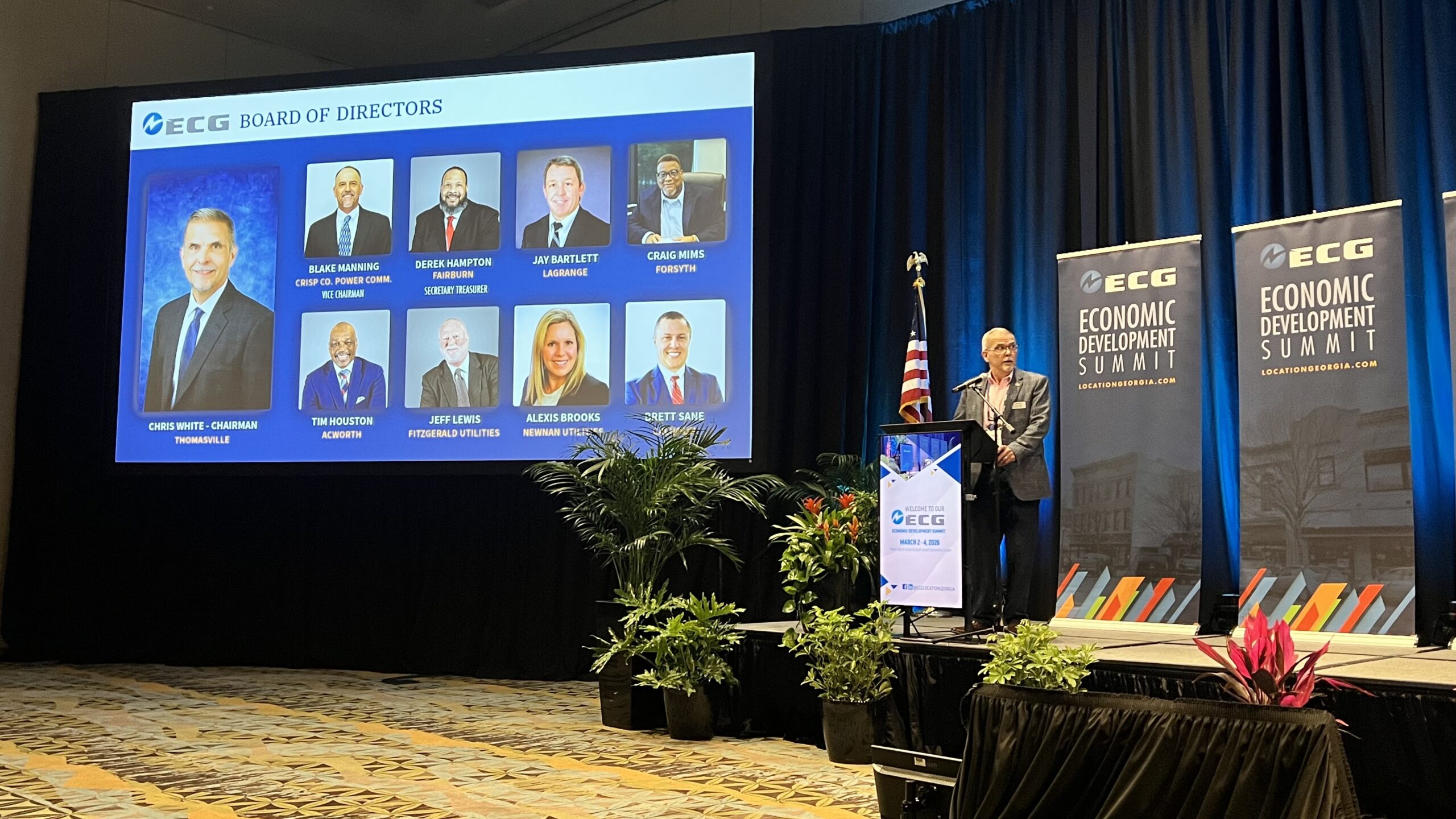
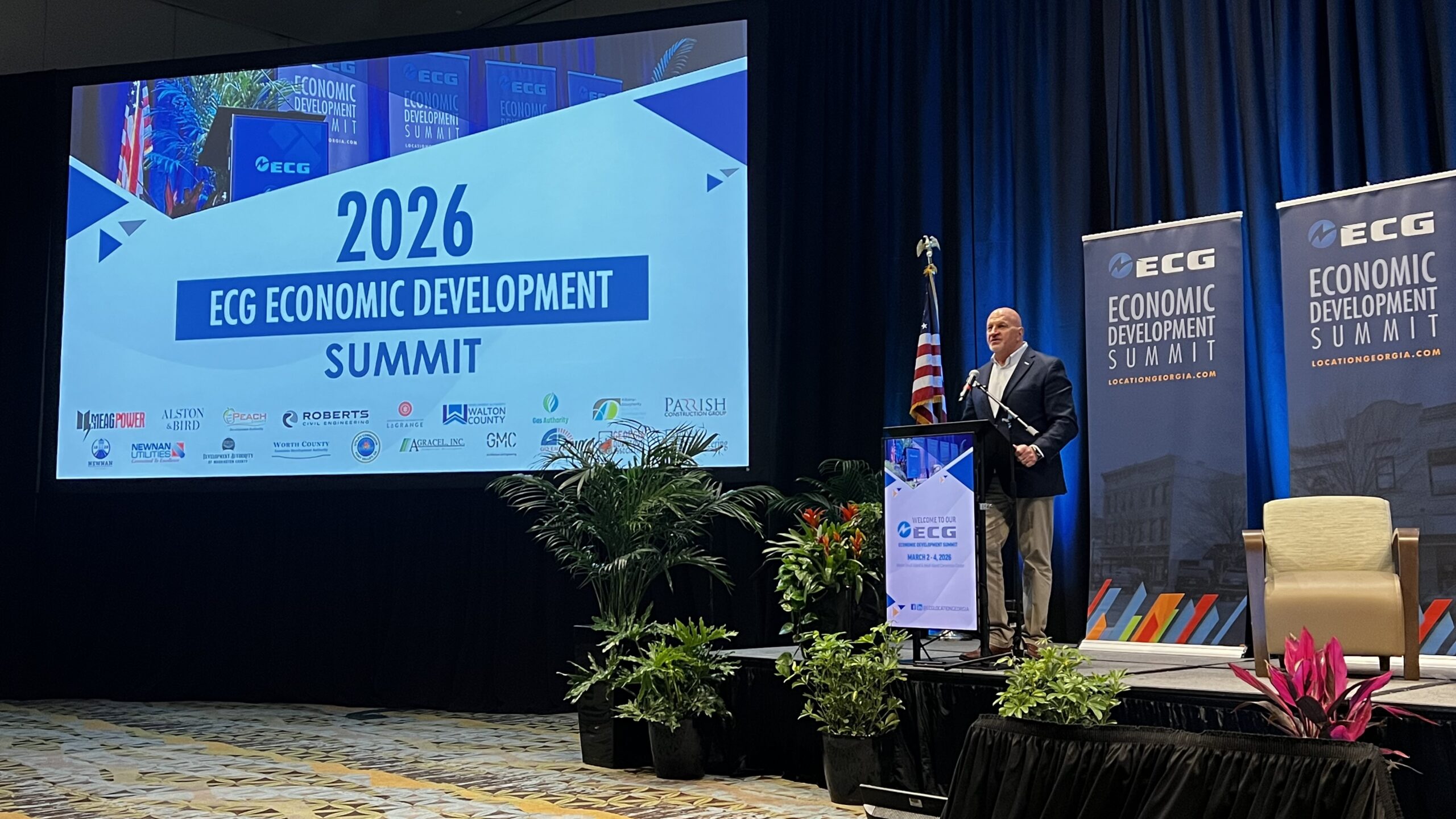
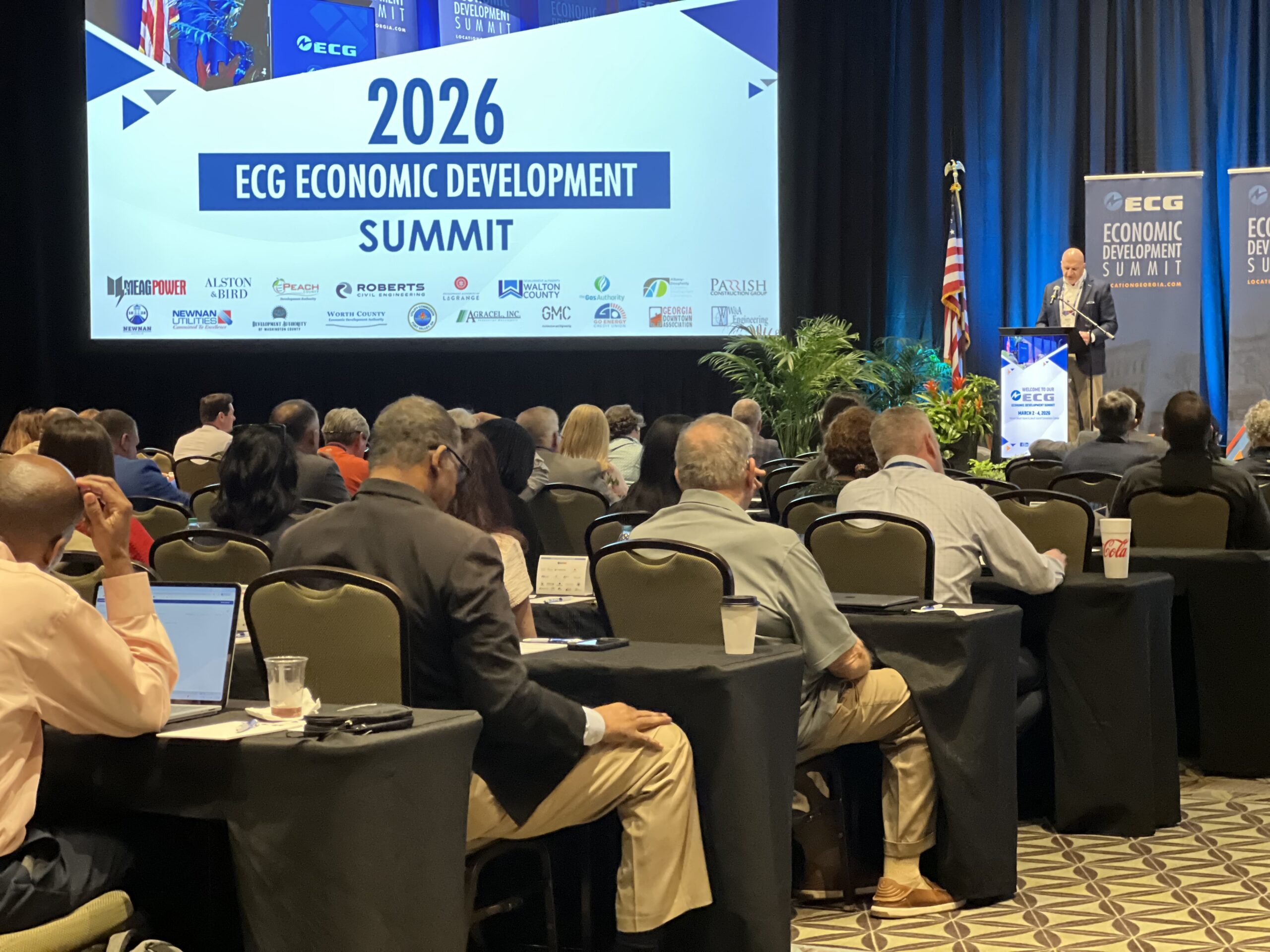
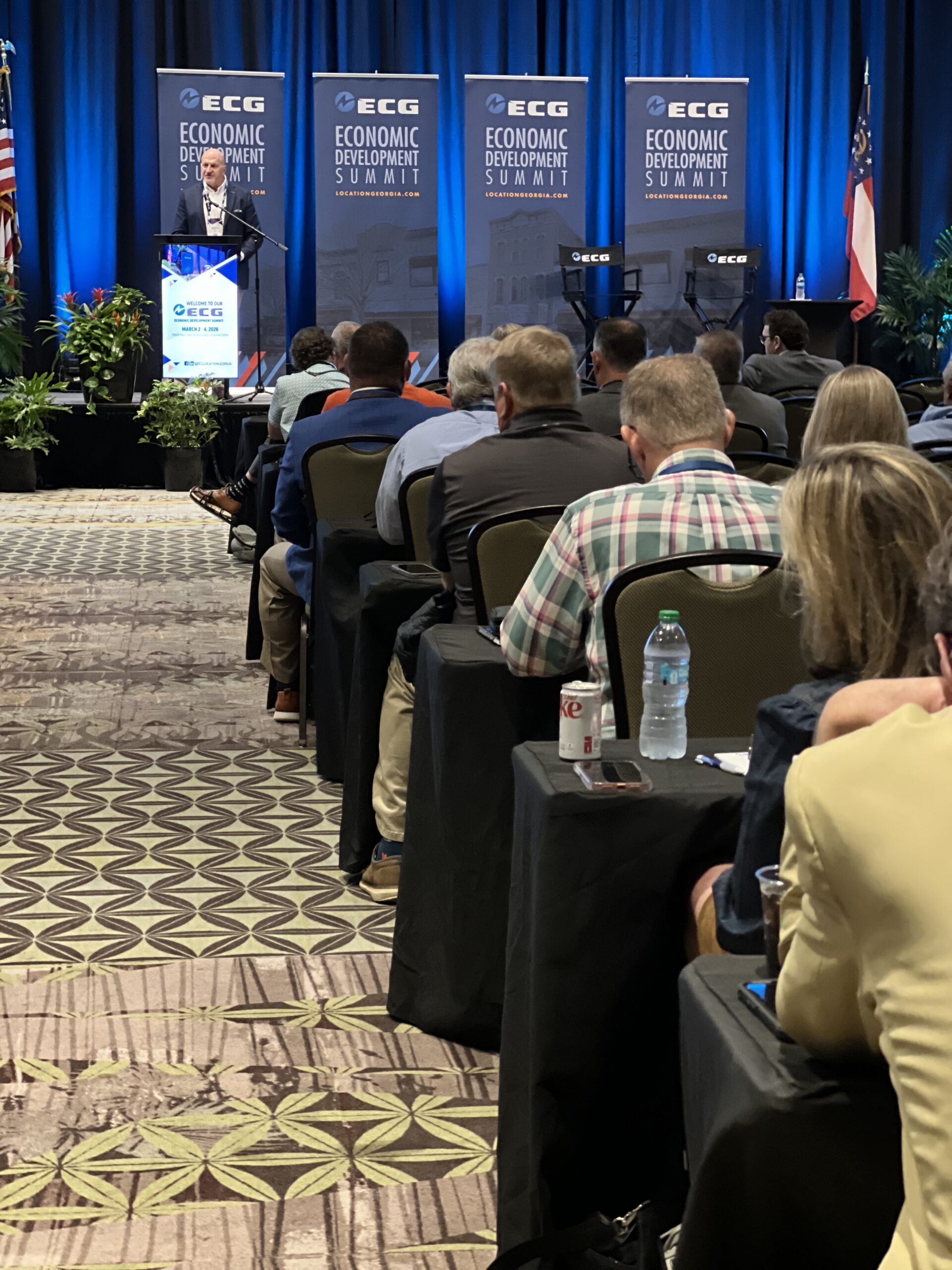
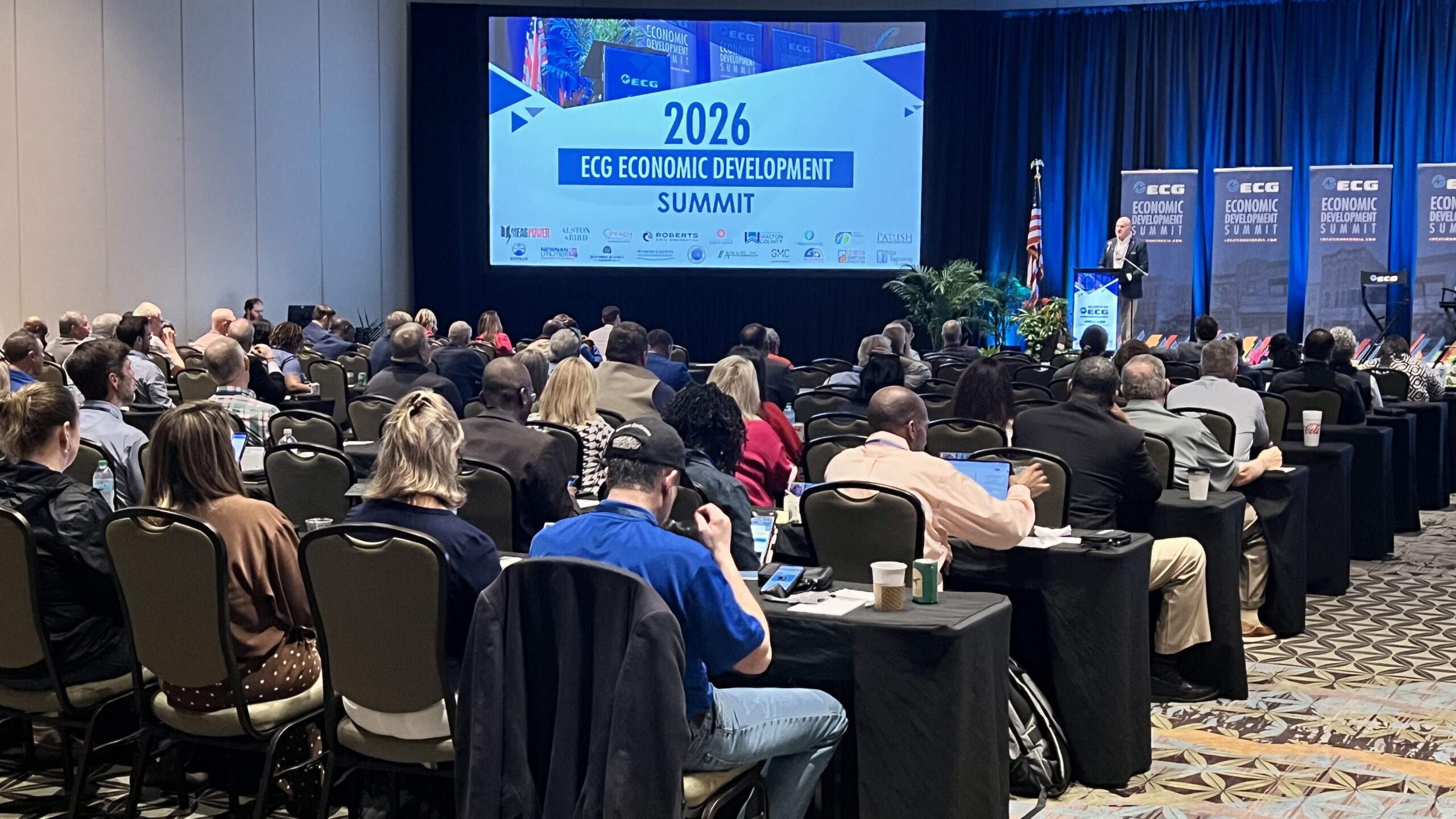
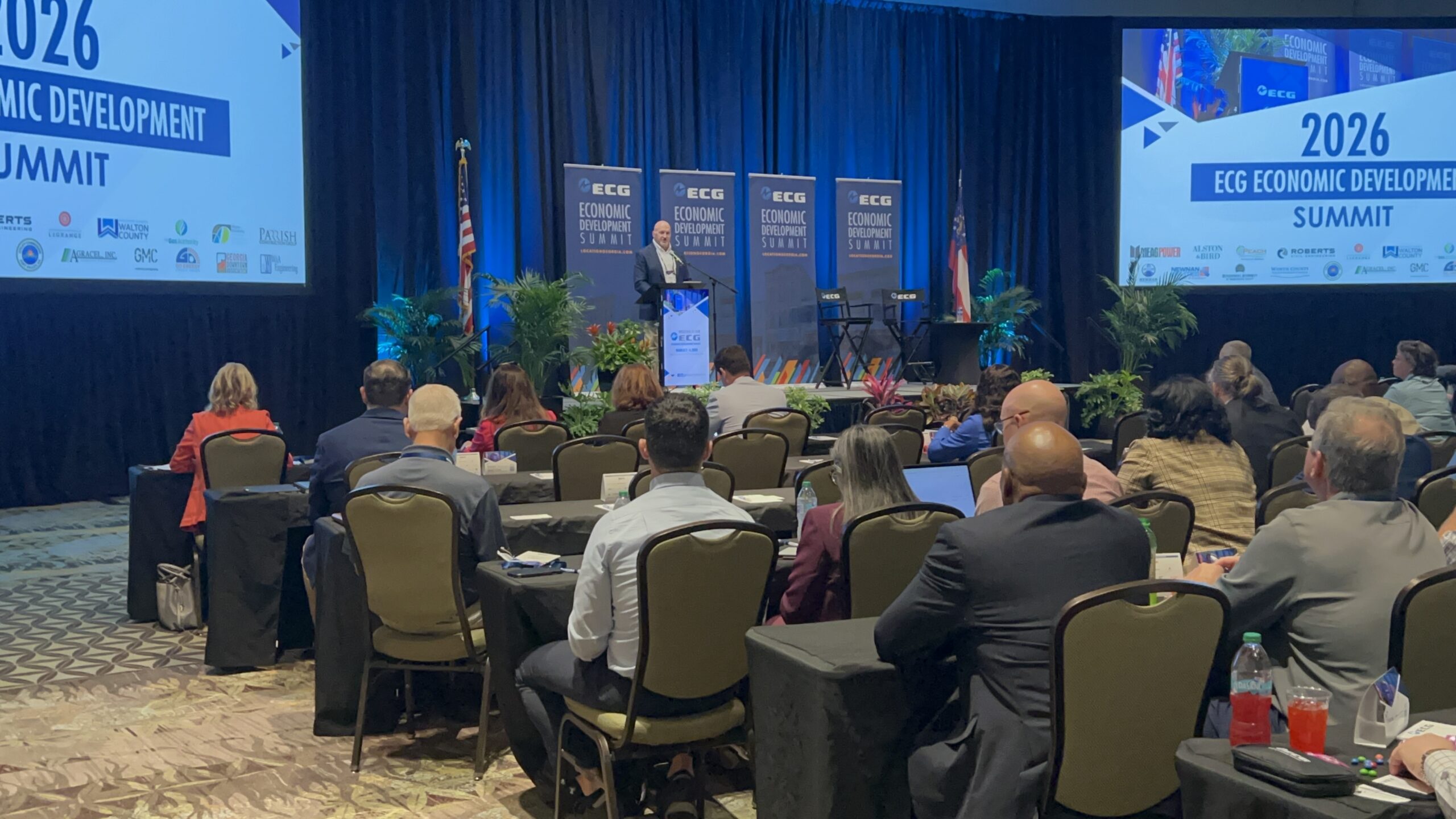
In his opening address at the 2026 ECG Economic Development Summit, Daryl outlined the goal of the Summit, now in its 21st year, as a learning conference. He hoped that each of you would find something to bring back to your communities and use positively. The Georgia Energy cities, which make up 93 communities, include some in the electric business, some in the natural gas business, and some in both. Each year, data from the Georgia Department of Economic Development show that more than 40% of project announcements consistently occur in our Georgia Energy Cities. While it doesn’t capture all activity in your communities, it provides a good indication of what is happening.
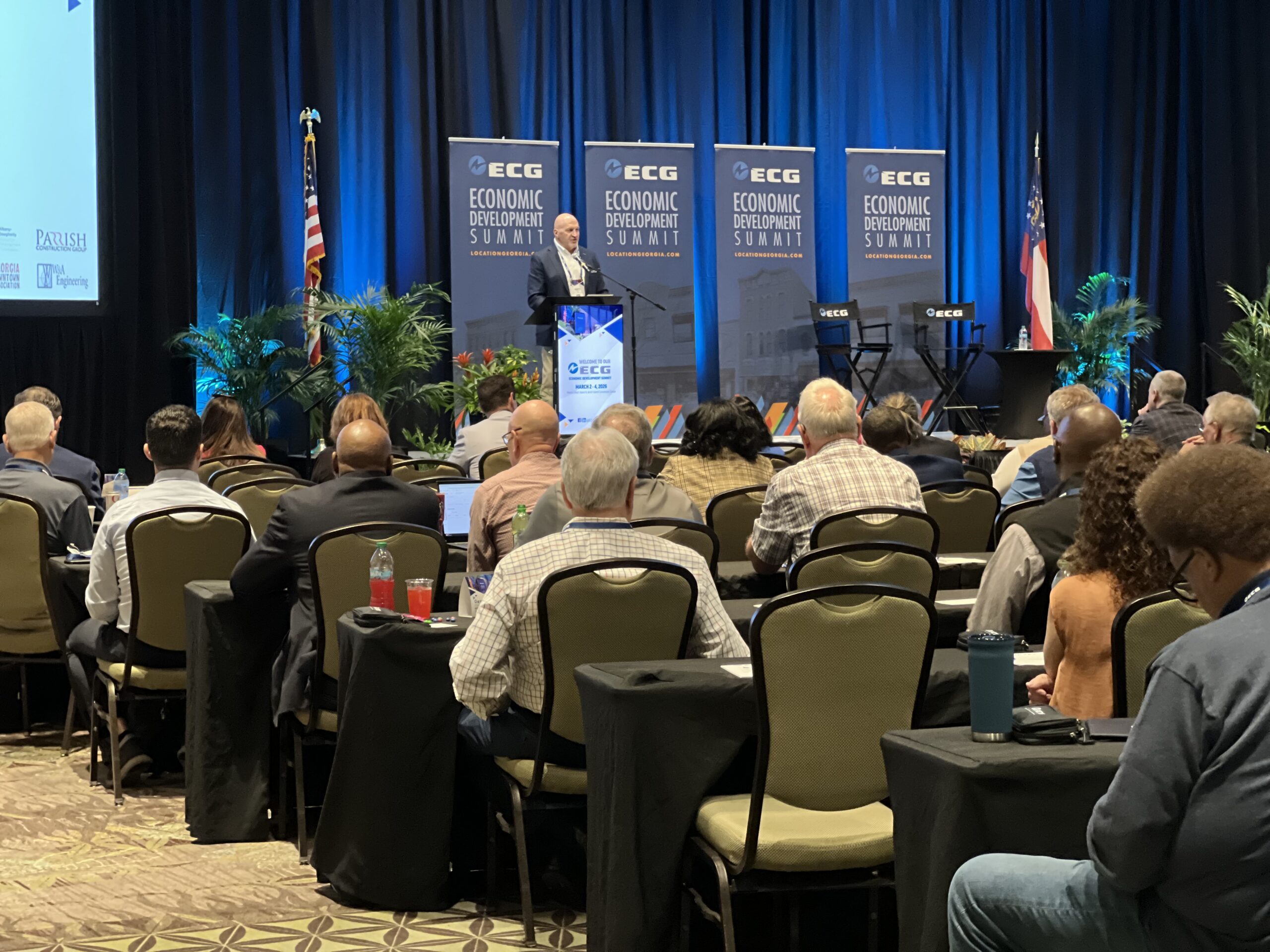
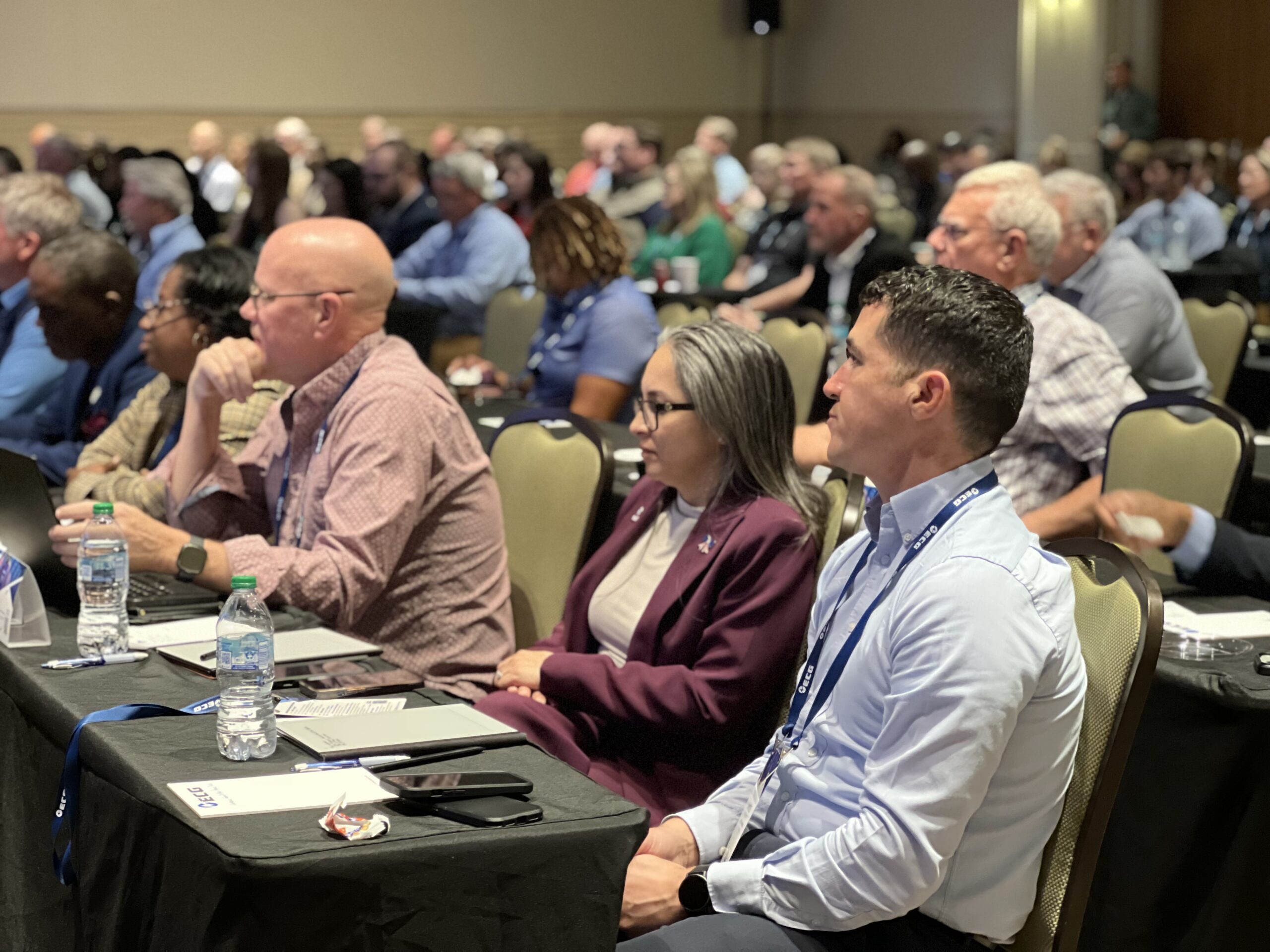
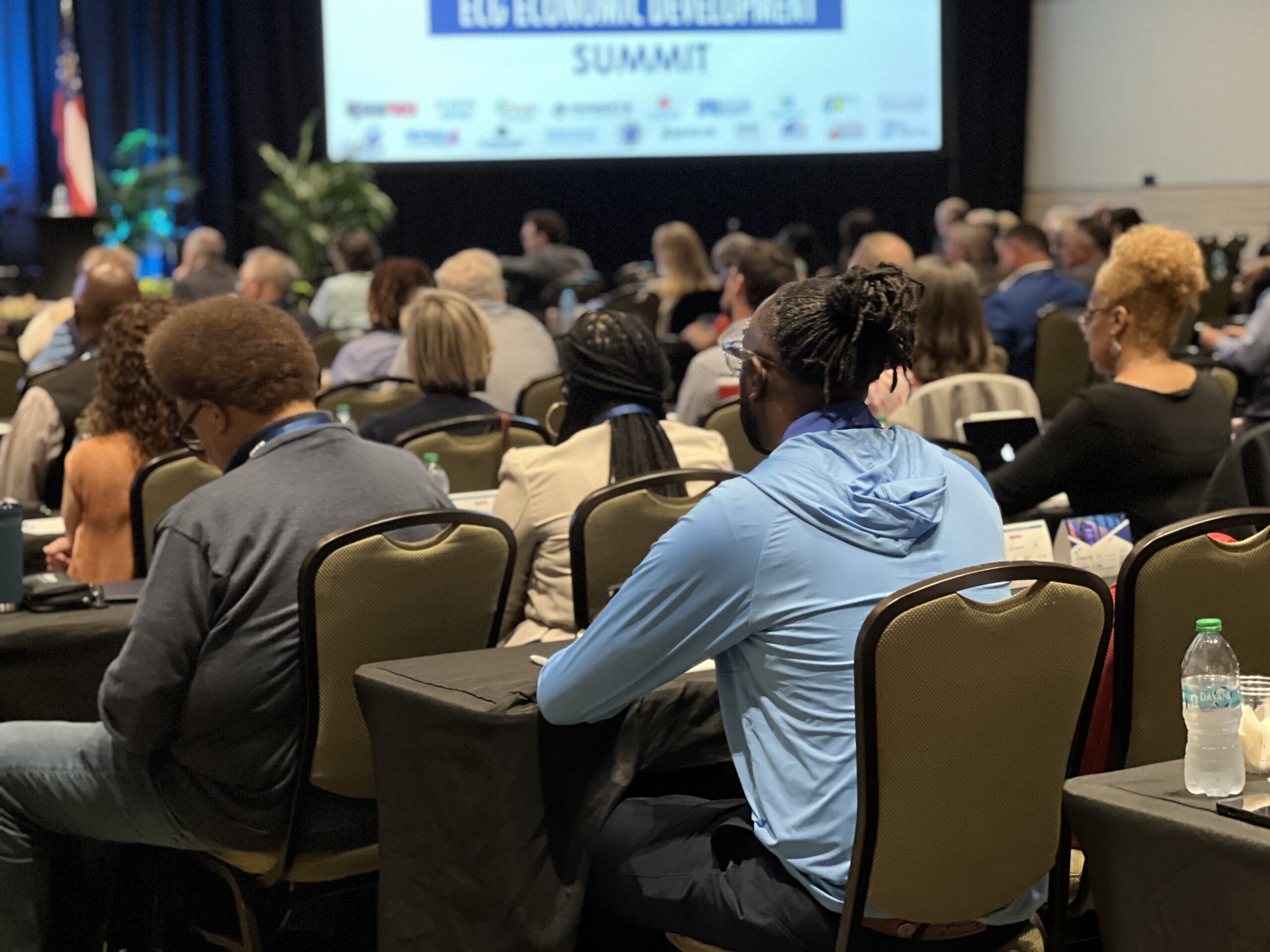
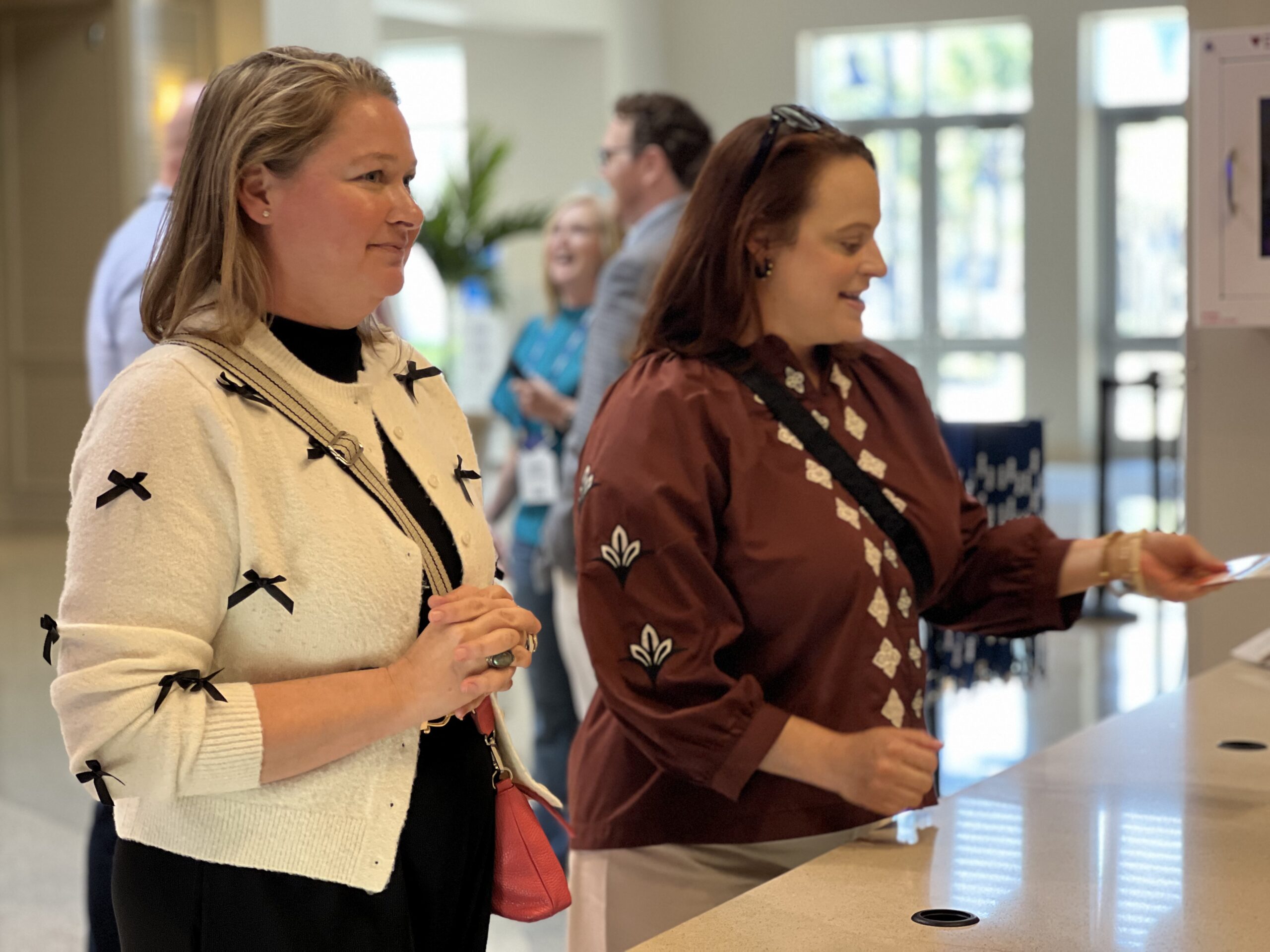
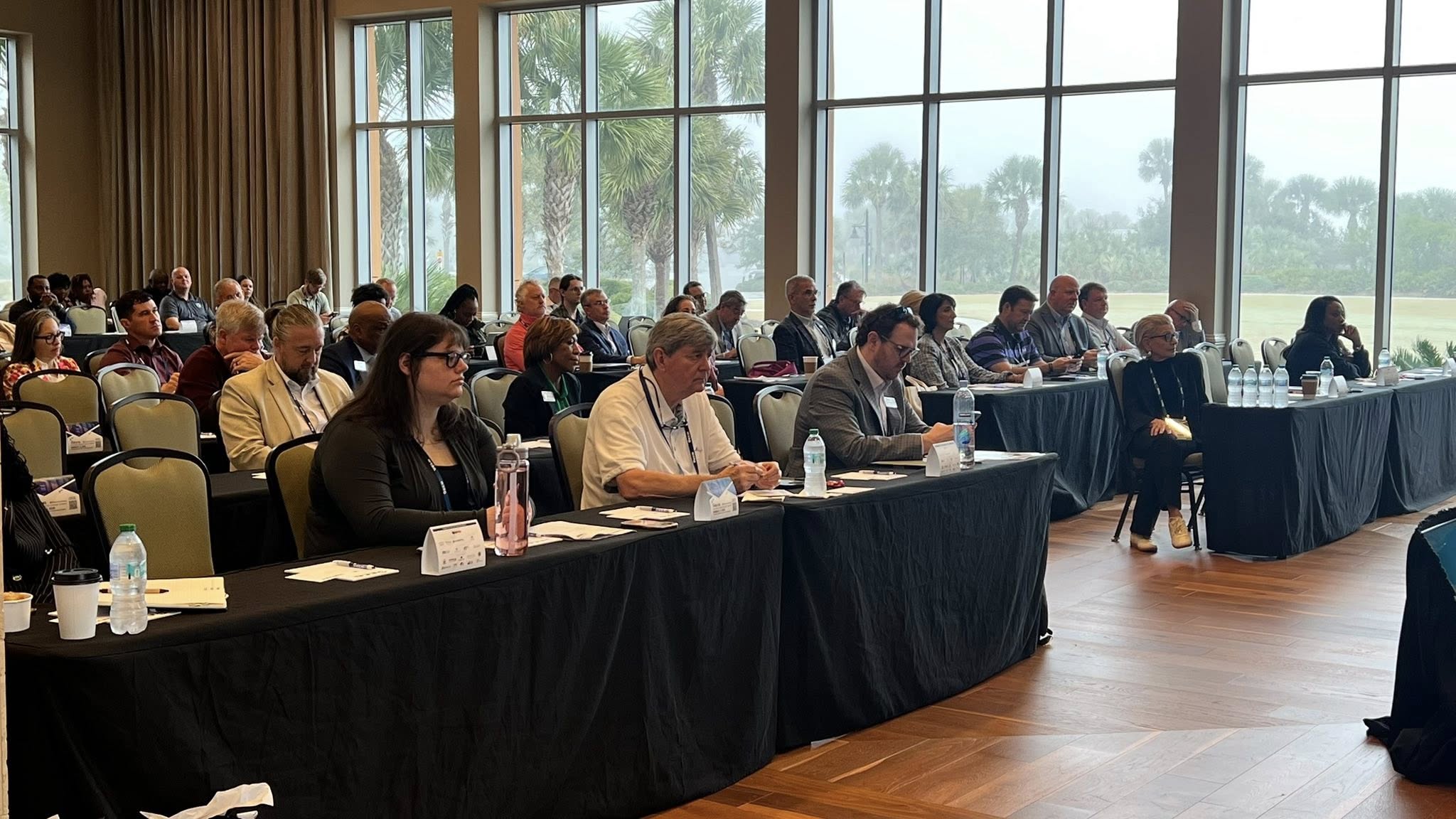
The room was filled with local officials, including mayors, city council members, utility professionals, Development Authority boards, Industrial Development Authority members, DDA, and Main Street groups, all participating.
“Economic development is a process, it’s not an event. You must determine your goals, define your path, and work together to achieve long-term success. ECG is here to help you and connect you with others that can help. The coalescing of leadership and having a shared vision is what drives sustainable economic development.”
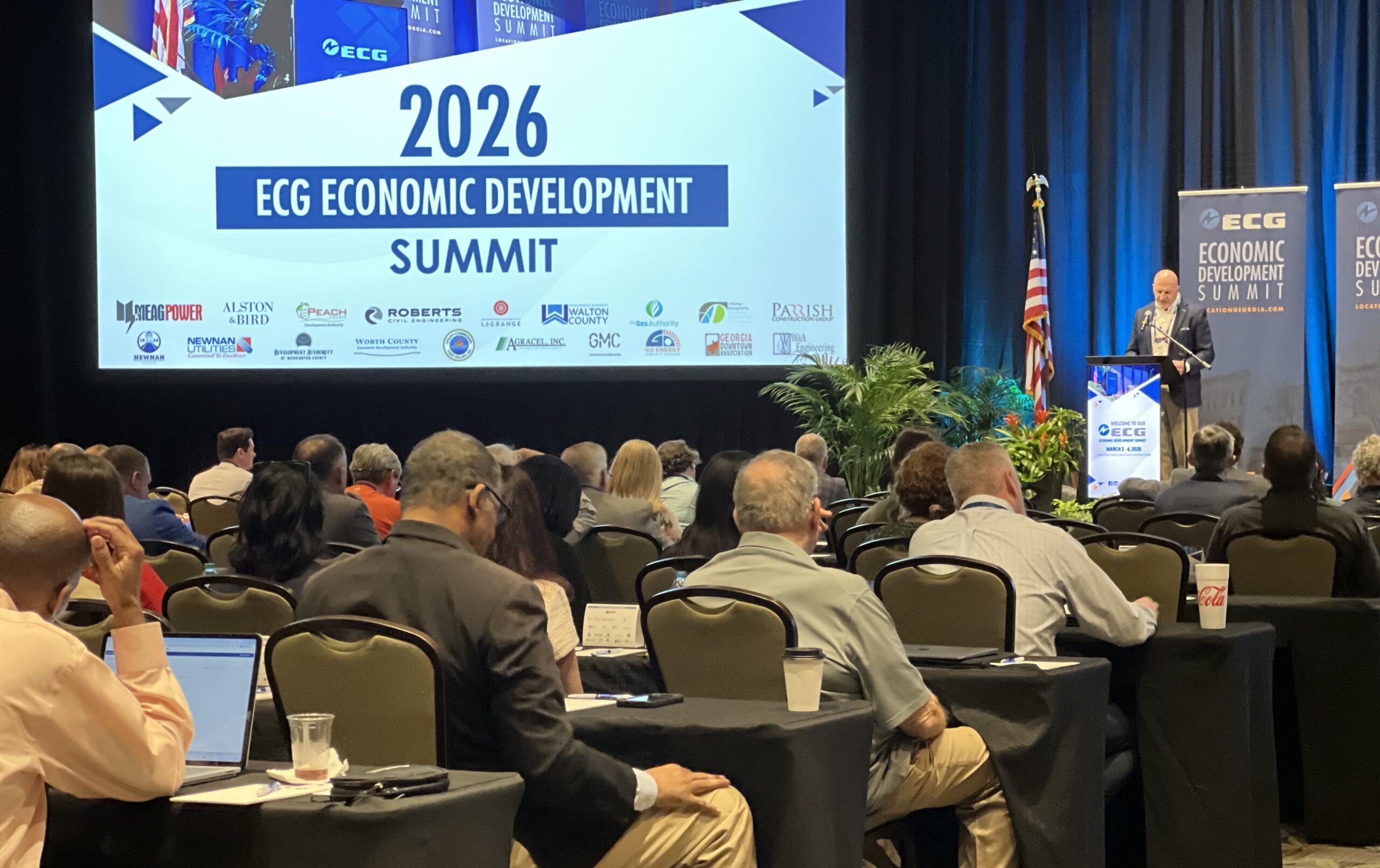
This wasn’t a summit filled with theory. It was practical, honest, and forward-looking. The kind of conversations that leave you thinking, we can do this… but we have to do it differently. From site readiness and workforce development to hospitality trends and placemaking, the Summit reinforced what it takes to compete and win in today’s environment. As one theme echoed throughout the sessions, success in economic development is no longer about isolated efforts. It requires alignment, preparation, and strong partnerships at every level.
To access speaker presentations, click on the blue subheadings
DAY 1 | BIG PROJECTS, REAL PRESSURES & COMMUNITY TRANSFORMATION
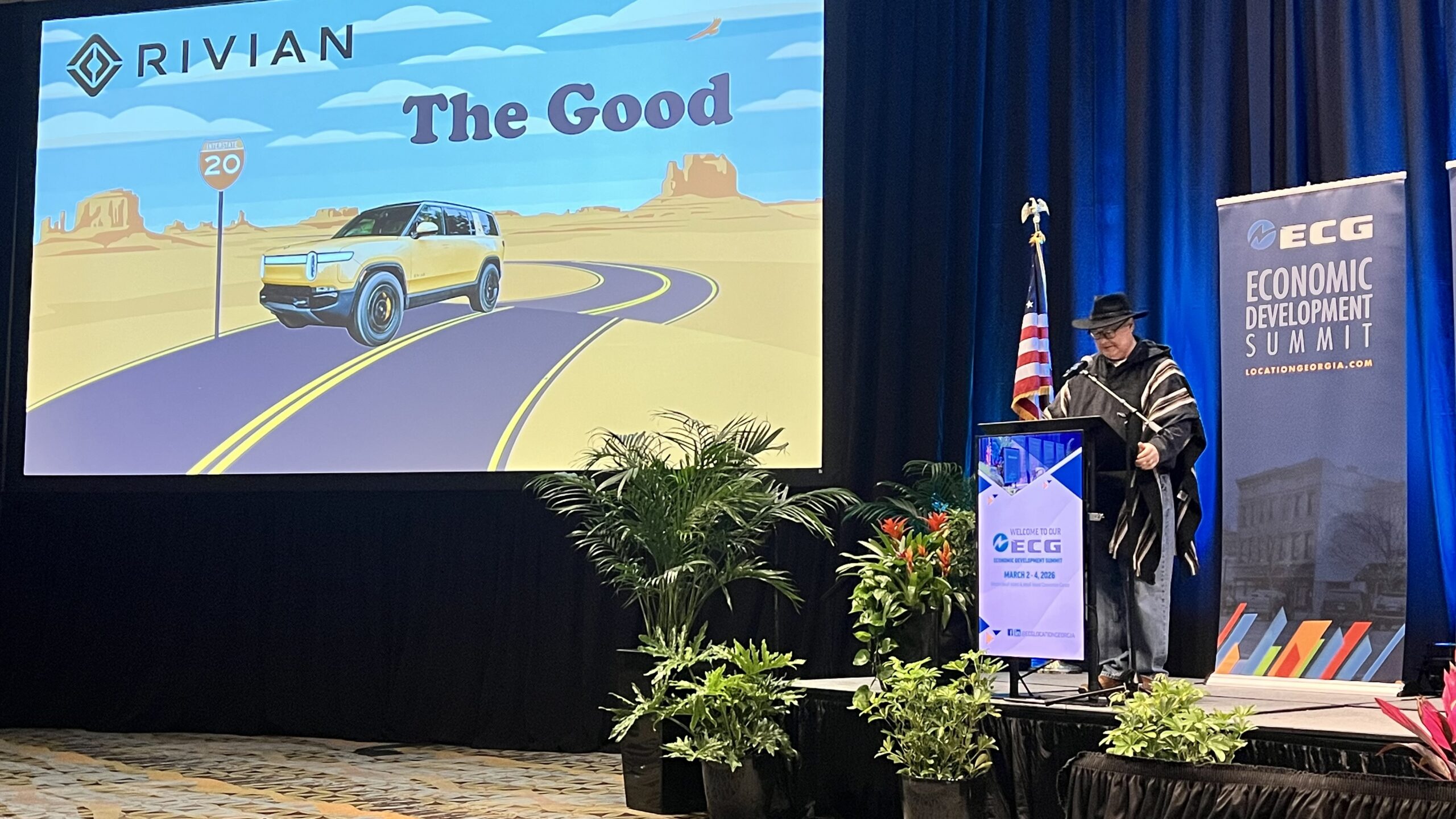
📌 Rivian – The Good, The Bad, & The Ugly
“It’s probably the greenest company I’ve ever worked with… committed to sustainability, minimizing environmental impact, and creating innovation across clean energy and supply chains. We’re talking about a $6 billion investment and 7,500 jobs, life-changing for our community. But what people don’t always see is what comes with it. We faced lawsuits, eleven court hearings, public opposition, national scrutiny, and personal attacks… But we stayed. We answered every question. We fought for the project, not just for us, but for the future of our communities… And if you ask me if I would do it again, the answer is absolutely yes.” — Shane Short, Development Authority of Walton County
Key Takeaways:
- Major projects bring economic impact AND community resistance
- Transparency is not optional, it’s survival strategy
- Incentives must be tied to performance and accountability
- Leadership in economic development requires resilience under pressure
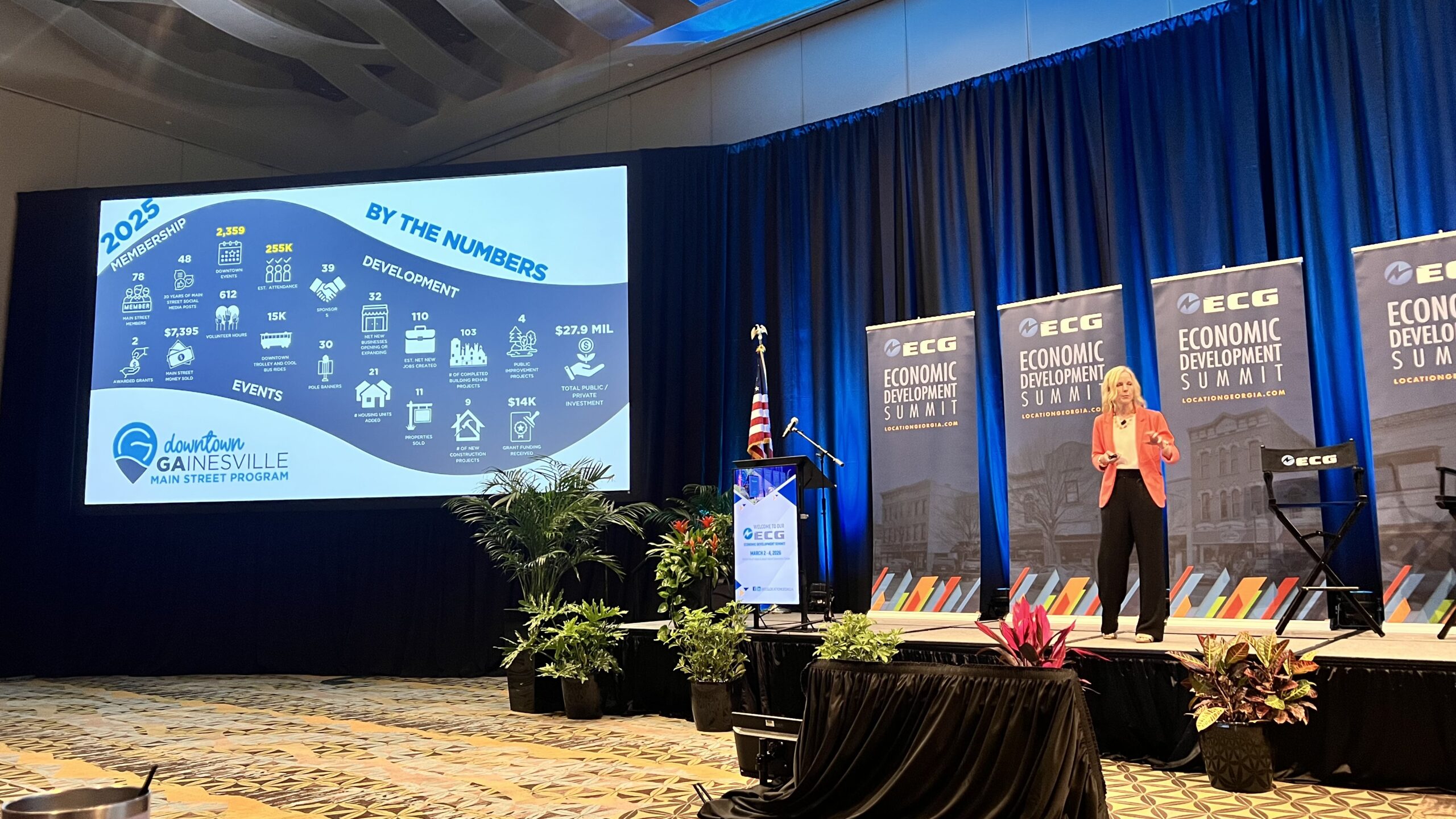
📌 How a City Grows: Gainesville’s Downtown Transformation
“The market alone wasn’t going to fix our challenges; we had to decide what we wanted to become… We created a plan, and that plan became our guide… it aligned our leadership, and it gave us the confidence to say no… What we’ve done over time is turn places that once struggled into spaces people are proud of, and that didn’t happen overnight.” — Angela Sheppard, City of Gainesville
Key Takeaways:
- Strong communities are built through intentional planning, not reaction
- Alignment between leadership and vision is non-negotiable
- Saying “no” is as important as saying “yes”
- Placemaking drives both economic and community value
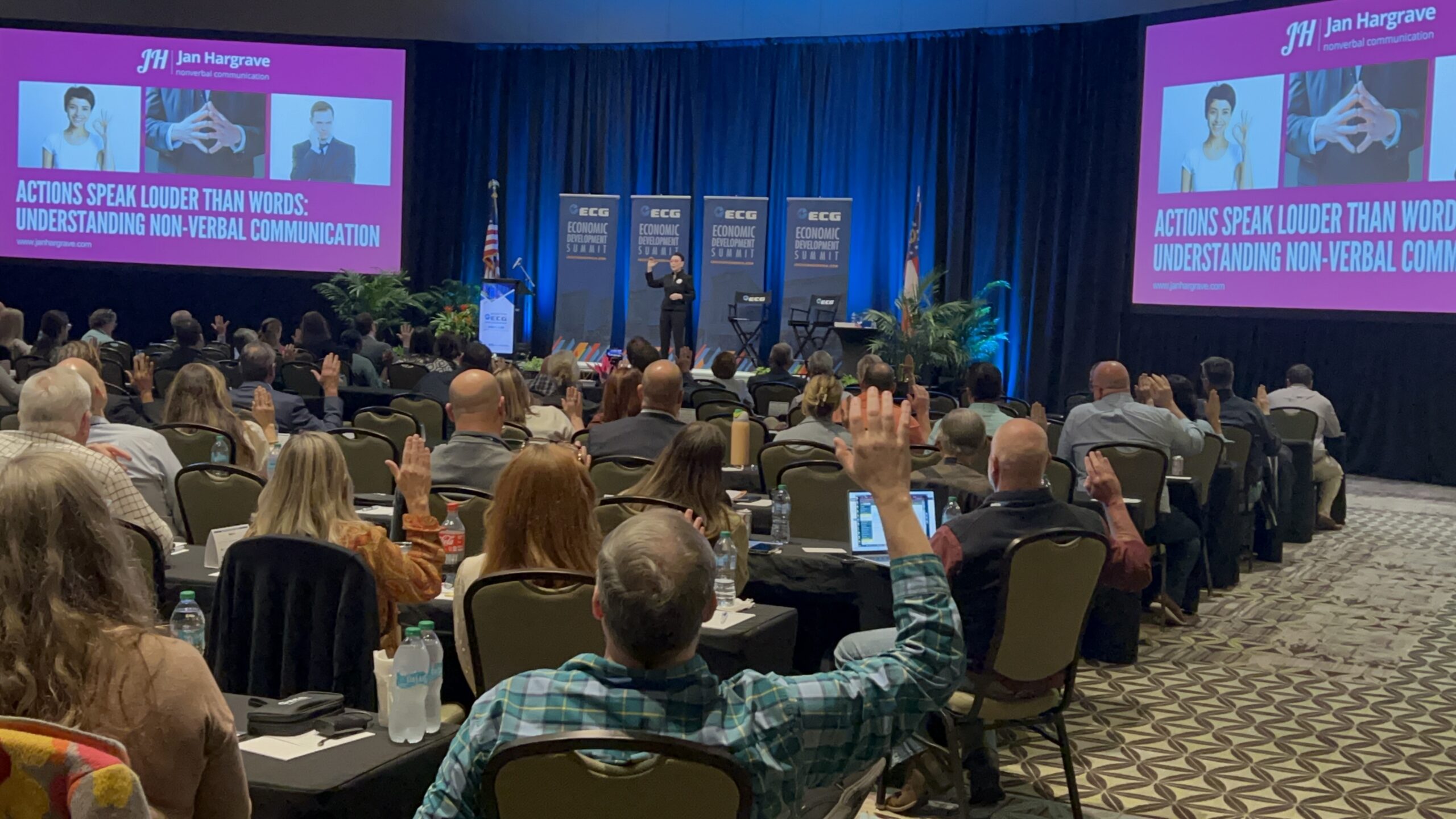
📌 Actions Speak Louder than Words: Understanding Non-Verbal Communication
“You negotiate with people often, and what you do with your body language in those moments matters more than you realize. When people can see your hands, when your gestures are open and non-threatening, they trust you faster. There are even simple movements, like how you position your shoulders, your hands, your head, that can make someone feel like you’re fully present with them. And that presence can change the outcome of a negotiation.” — Jan L. Hargrave, Body Language Expert
Key Takeaways:
- Trust is built in seconds: First impressions are driven more by body language than words
- Nonverbal cues influence deals: Open, visible gestures help establish credibility and trust in negotiations
- Alignment matters: When body language and words don’t match, people instinctively lose trust
- Confidence is physical: Posture, presence, and controlled movement signal authority and readiness
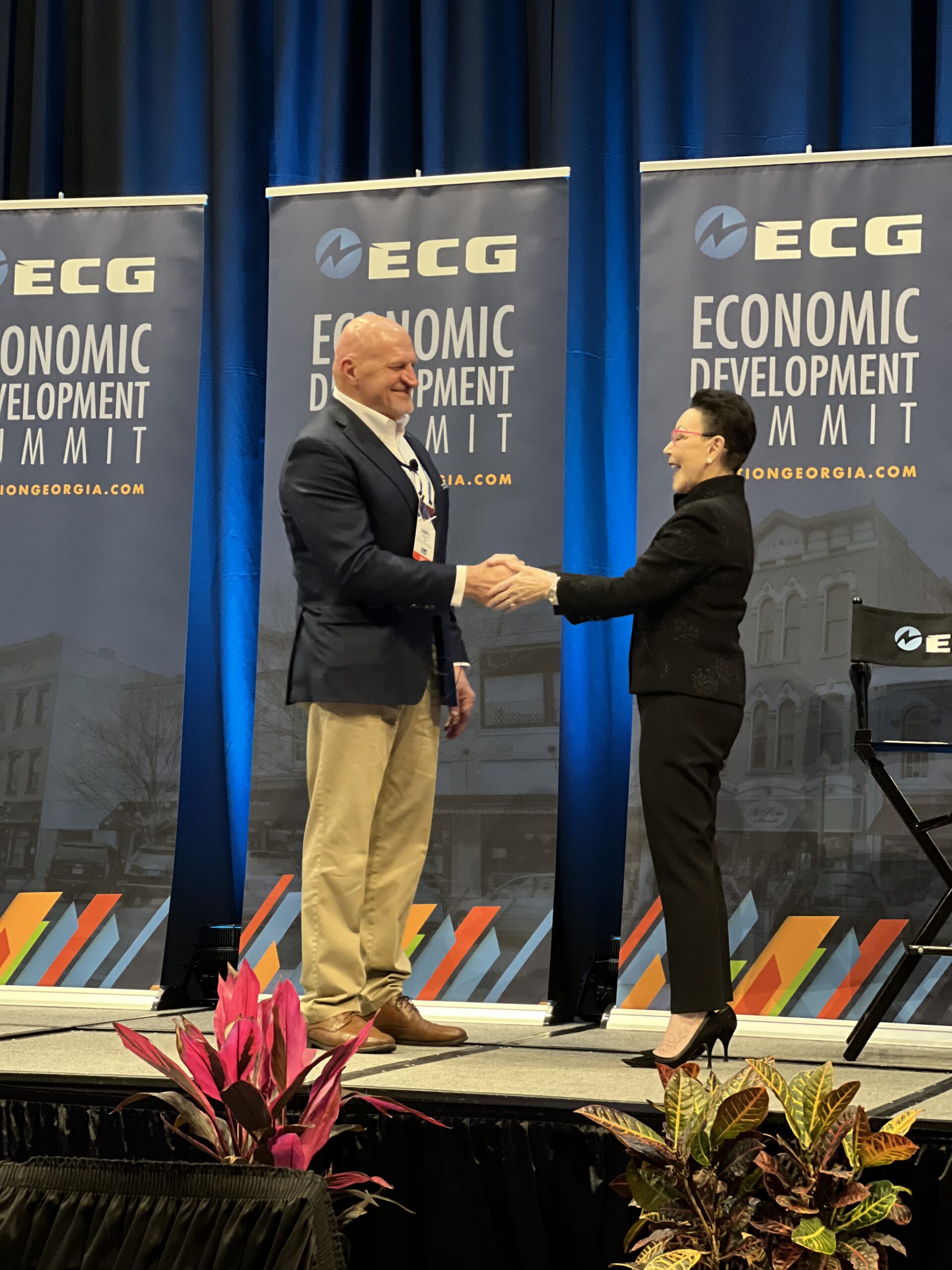
- Handshakes set the tone: A balanced, confident handshake communicates respect, equality, and control from the very first interaction
DAY 2 | INDUSTRIAL STRATEGY, COMPETITIVE POSITIONING, FOOD SYSTEMS, MARKET REALITY, RETAIL EXECUTION, PLACEMAKING, ARTS & SMALL BUSINESS GROWTH
📌 Industrial Market Refresh and Outlook
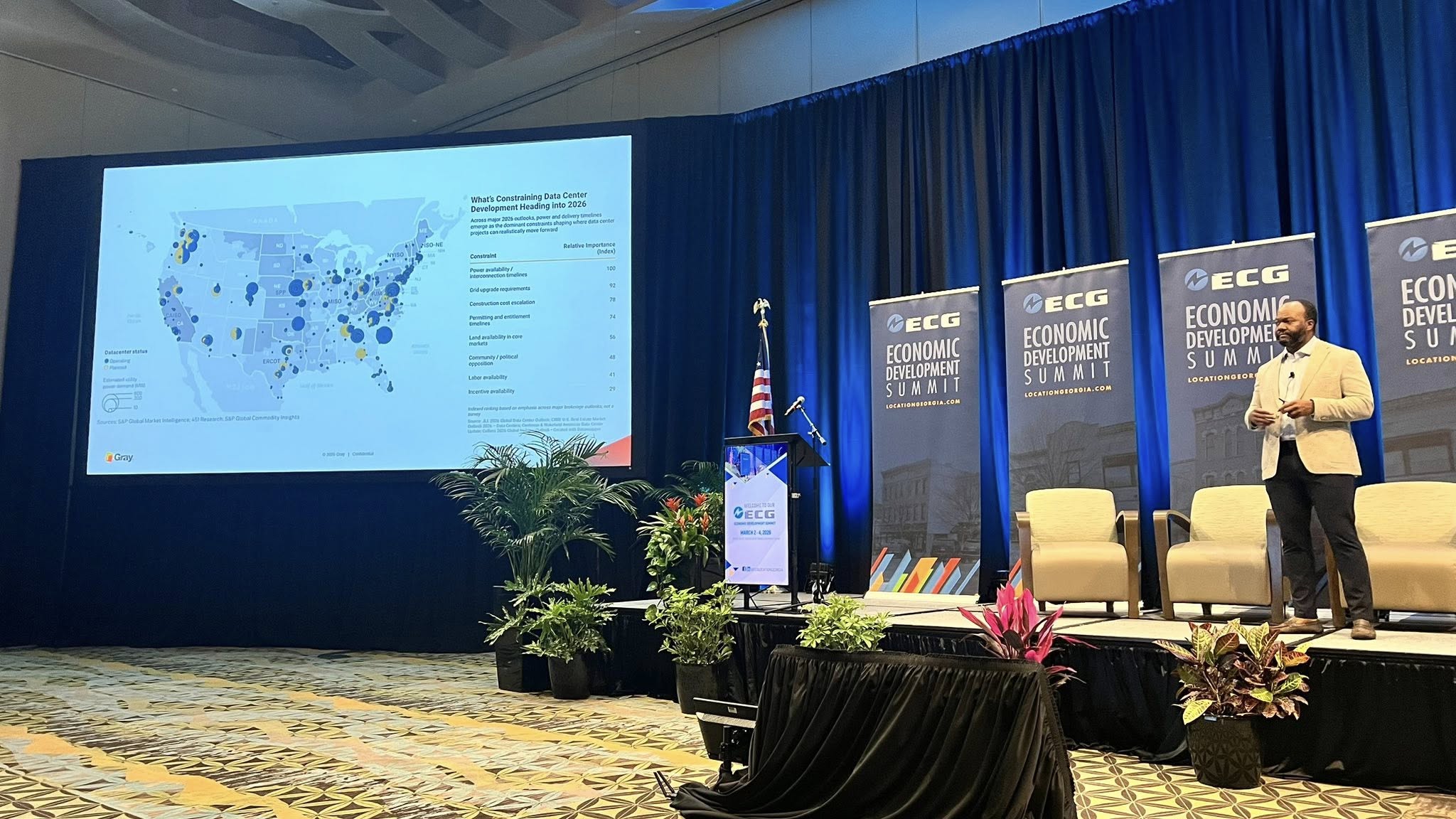
“For the last few years, the market was defined by massive mega-projects that disrupted everything… what we’re seeing now is a shift back to what really built communities: mid-sized companies investing for long-term growth. It’s allowed communities to reset, to become more flexible, and to better support sustainable development. At the same time, new drivers like data centers, AI, and advanced manufacturing are reshaping the landscape in a big way. These aren’t short-term trends; they’re long-term shifts. And what’s changed most is how projects are evaluated. It’s no longer about incentives first; it’s about power, infrastructure, and speed to market. Communities that can deliver that will be the ones that win.” — Marcus Taylor, Gray Construction
Key Takeaways:
- Shift toward mid-sized, sustainable industrial growth
- Infrastructure and speed-to-market are now primary drivers
- Flexibility and readiness define competitive communities
- Data centers are reshaping site selection priorities
- Power infrastructure is now critical
- Speed and capacity outweigh traditional incentives
📌 Mainstreet Thrives When Small Businesses Thrive
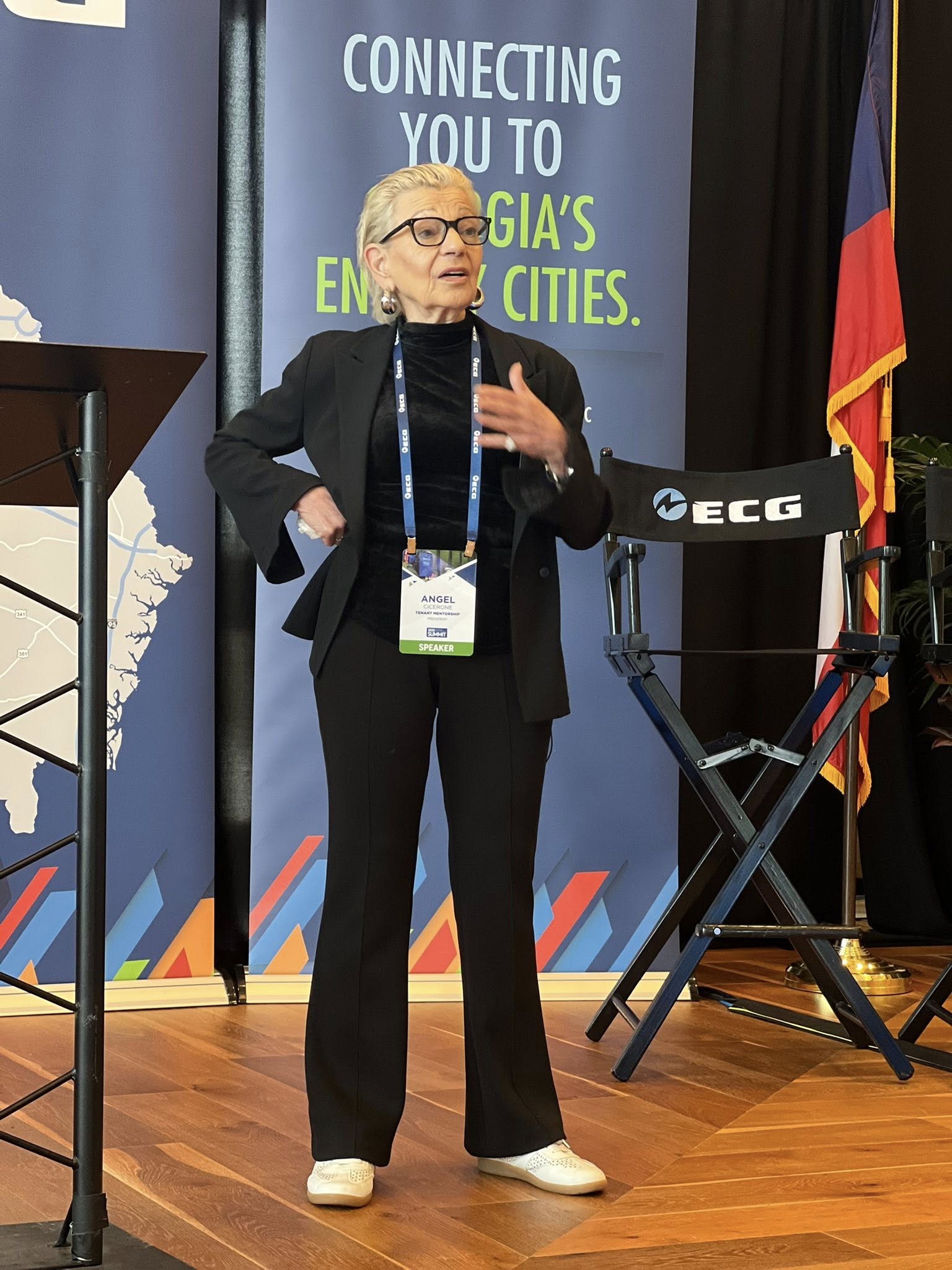
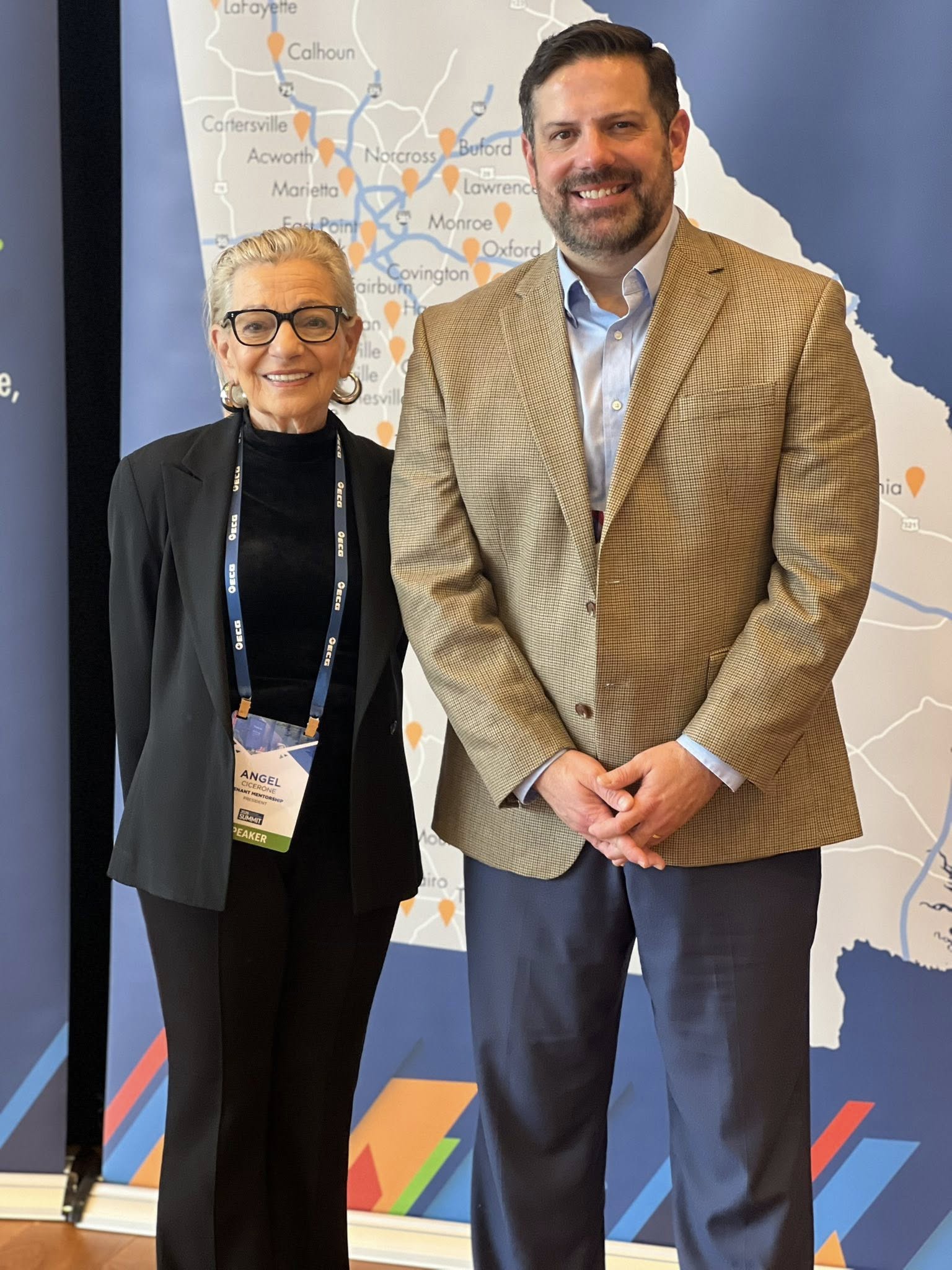
“If you don’t provide something that’s discoverable, photographable, craveable, or walkable, the amenities are really just lipstick on a pig. They can’t fix boring… If I cannot insert myself into a story in your downtown, then I’m not going, because it’s just another place. Crowds are not commerce… We don’t sell products, we sell reasons to go, reasons to stay, and reasons to come back” — Angel Cicerone, Tenant Mentorship
Key Takeaways:
- People don’t travel for infrastructure, they travel for experience
- You must create places where people feel part of a story, not just a space
- Leasing decisions should prioritize sustainability, not occupancy
- Setting tenants up correctly is critical to long-term downtown success
- Foot traffic alone does not equal economic success. Downtowns must create intentional reasons for people to engage
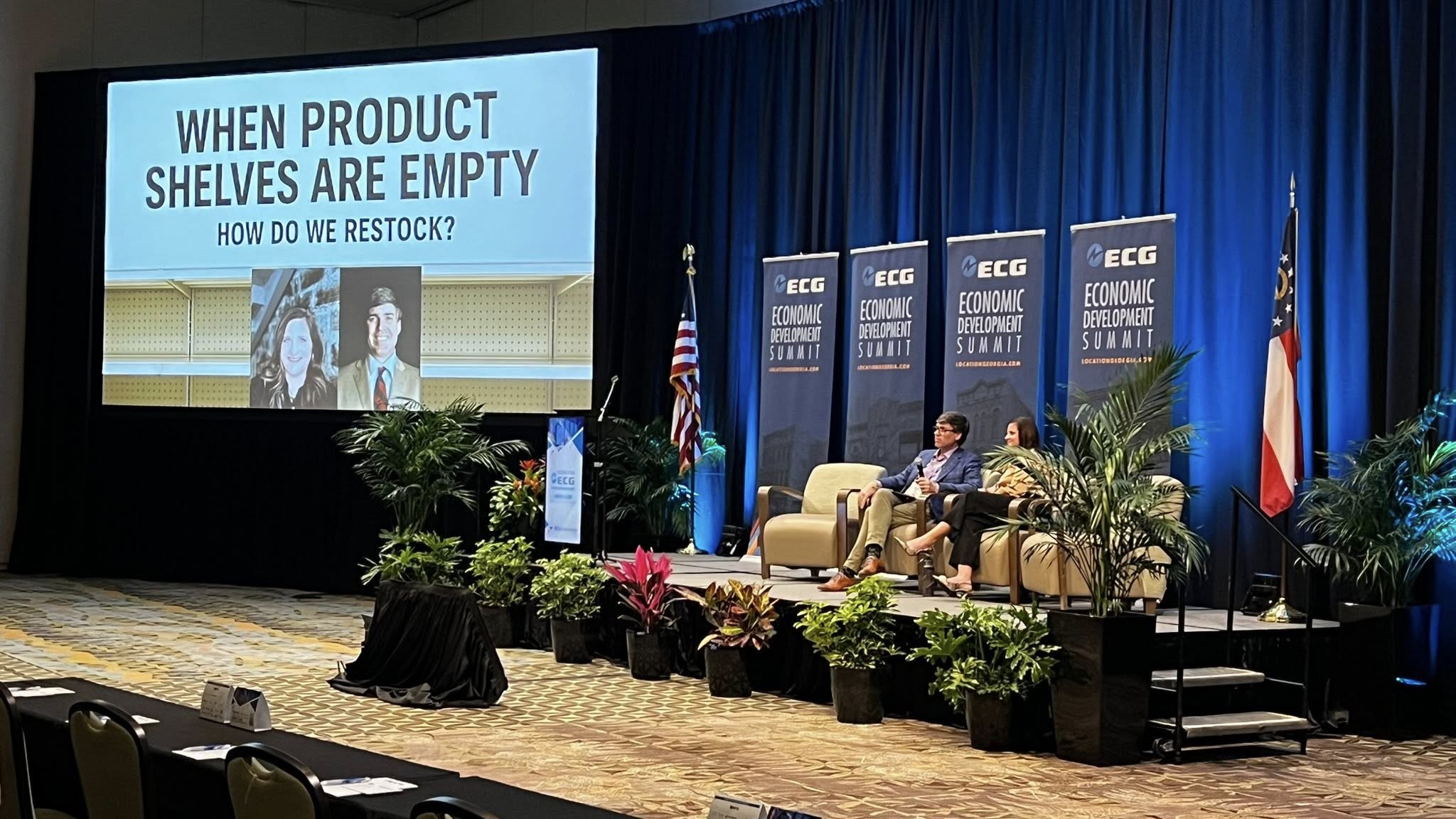
📌 When Product Shelves are Empty
“Due diligence is so important… if you do not have that work done, you’re going to get eliminated. You’ve got to have your environmental, your geotech, your wetlands, know exactly where everything is… because if you don’t have answers, you won’t get another site visit.” — Jana Dyke, Albany-Dougherty EDC
Key Takeaways:
- Communities must move from “available land” to fully vetted, market-ready product
- Having control of the land (options, MOUs, partnerships) is as important as ownership
- Economic development is a long game: 10 to 20 years of planning ahead
- Relationships (utilities, state partners, consultants) are critical to speed and execution
- Always answer questions before they’re asked, or risk losing the deal
📌 From Vacant to Vibrant: How Cities Can Turn Empty Spaces into Economic Engines
“People are craving walkability, authenticity, and belonging… We are more connected than ever, but we are also the loneliest we’ve ever been. Retail thrives in an ecosystem, not in isolation… clustering increases dwell time, and dwell time increases spend. A vacant 1,000-square-foot space could be generating $400,000 a year… you’re losing about $30,000 in sales tax. Vacancy isn’t just empty space, it’s a lost opportunity.” — Edie Weintraub & Ritz Chopra, Terra Alma
- Downtown success requires a deliberate retail strategy
- Understanding demand eliminates guesswork in recruitment
- A balanced mix of uses creates sustainable ecosystems
- Community, not big brands; is the true anchor of downtowns
- Placemaking must be people-centered, not car-centered
- Successful downtowns are inclusive, experiential, and evolving
📌 What it takes to Win in the Food & Beverage Space
“The cold storage industry has changed a ton… we’ve gone from 4–5 weeks of inventory to 12 weeks during the pandemic, and now it’s correcting back down. Supply is up, inventory is down, and the market is feeling that.”
“The food and beverage industry is driven by the consumer… and right now, lower-income consumers are changing how they eat. They’re eating out less, buying differently—and that ripple effect hits the entire supply chain.”
“It takes a lot of people to make these projects work… and more importantly, it takes trust. Collaboration across communities and partners is what makes these projects successful. Sometimes it’s not about throwing cash at a deal, it’s about solving problems… offering training, office space, or support services can be more meaningful than financial incentives.”
— Angie Gheesling | Development Authority of Houston County, Alex Garland | Burns & McDonnell, Turner Wisehart | OnPace
- Cold storage is correcting: Supply is up, inventory is down after pandemic overbuild
- Consumers are driving demand shifts: Less eating out is impacting the entire food supply chain
- Speed wins deals: Sites with fewer obstacles and faster answers stay competitive
- Collaboration secures projects: Partnerships and creative solutions matter more than incentives alone
- Retooling can accelerate growth: Existing facilities offer faster, cost-effective options—but must fit modern needs
📌 Building Better Economies: How Public Partnerships Drive Placemaking
“The arts can really boost your economy and activate your community. Don’t think that you can’t make it happen because you don’t have a city like Atlanta or Savannah. You can do what works for you and your community. It just takes creative credit and collaboration.” — Tyrone Webb, Georgia Council for the Arts
Key Takeaways:
- Arts and culture are economic drivers; not just enhancements
- Creative programming strengthens community identity and engagement
- Cultural assets help communities tell their story and differentiate
- Investment in the arts supports both local economies and quality of life
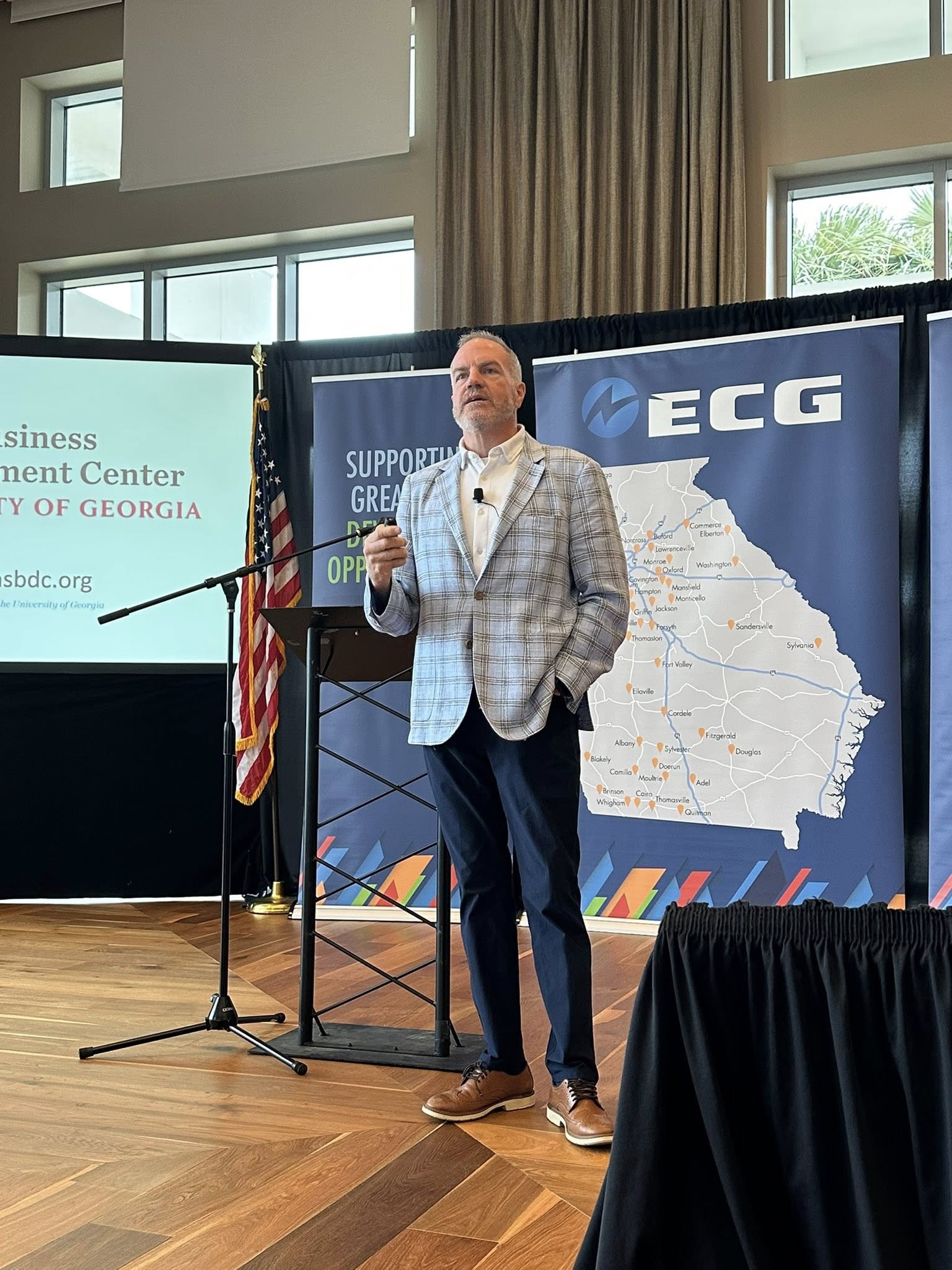
“When somebody comes to look in your community to potentially move their business… they often drive through before you even know it. They drive through your downtowns, your business districts to see what’s happening… because they’re thinking, ‘What am I going to do here? We don’t know what we don’t know. And it’s not a factor of ignorance. It’s exposure. It’s often education. When you go into something new, like a small business, you should prepare yourself. And I think that’s the difference between the success of a lot of these small businesses, that maybe they have passion behind them. Maybe they’re excited, but they haven’t developed a plan. This is a service that small business development centers are offering.” — David Canady, Georgia Small Business Development Center
Key Takeaways:
- Strong communities are built through intentional planning, not reaction
- Alignment between leadership and vision is non-negotiable
- Saying “no” is as important as saying “yes”
- Placemaking drives both economic and community value
DAY 3 | BIG PROJECTS, REAL PRESSURES & COMMUNITY TRANSFORMATION
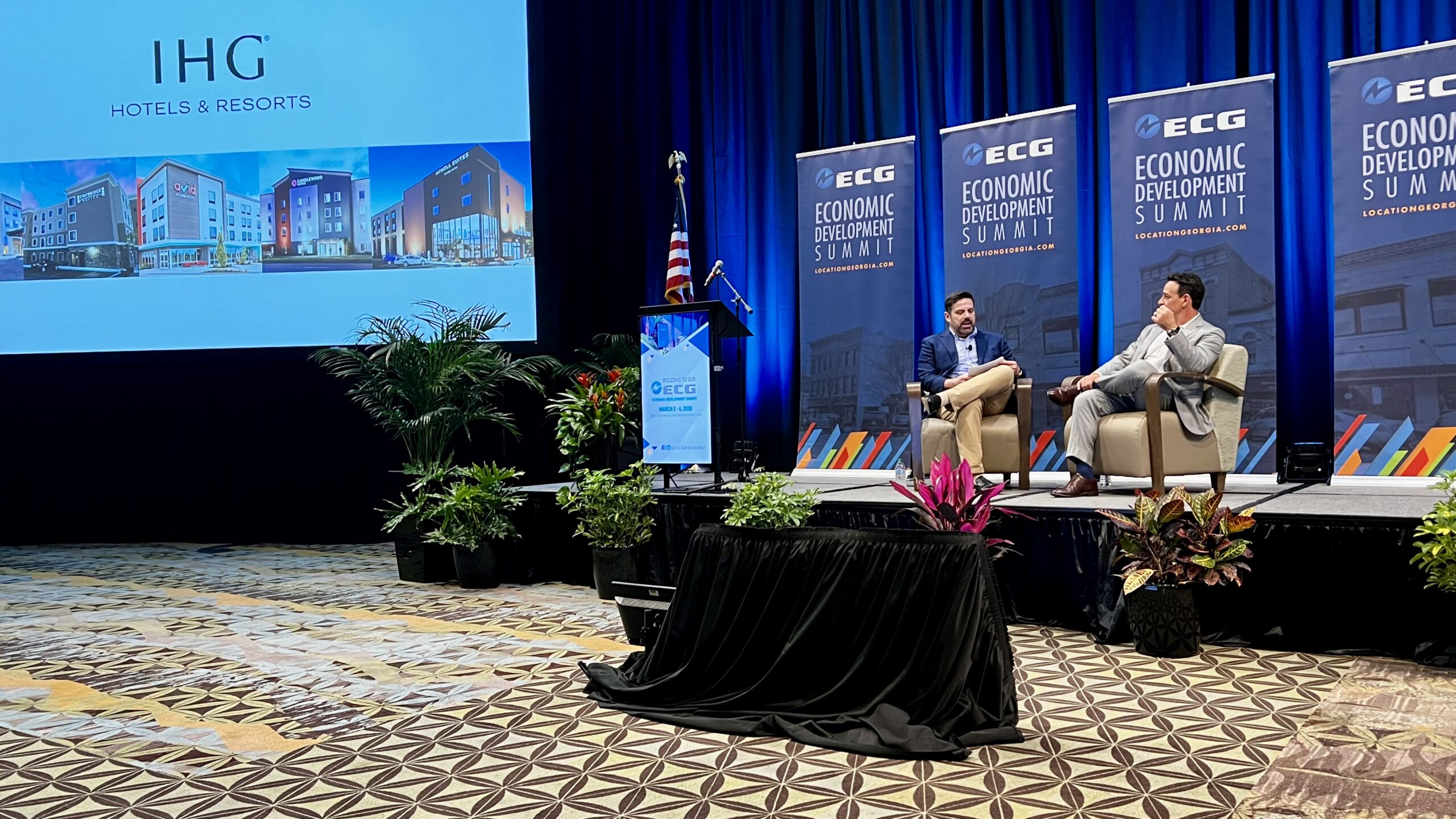
📌 From Metro Atlanta to Rural Georgia, How IHG Hotels Sees the Possibilities
“The site’s got to work… location, location… if you’re three miles off the interstate and there’s nothing there, that’s probably not a good site. The guest doesn’t want to just be stuck in this room with nowhere to go… what type of restaurants are available, what’s there for them to do?” — Michael Zouroudis, IHG Hotels
Key Takeaways:
- Hotel development requires significant capital investment (multi-million dollars)
- Cost per room (“per key”) is a critical metric in feasibility
- A strong site must offer immediate value, not future potential alone
- Site planning must consider the full guest experience; not just the building
- Guests expect access, convenience, and nearby activity
📌 From Browsing to Business: Creating Economic Development Websites That Convert
“A lot of tools and functionalities that seem fun and exciting… those do bring down your site speed… nobody’s really that impressed by them… and it will potentially have people leaving your site. Make it easy for people to contact you. Don’t hide emails or rely on complicated forms; clear contact information helps generate more leads. The content on your website should answer real questions.” — Shanleigh McStay, DCI
Key Takeaways:
- Website performance matters more than flashy design features
- Excess animations and tools can slow down sites and hurt engagement
- Users care about speed and usability, not visual gimmicks
- Simplified, well-organized sites outperform over-designed ones
- Removing friction increases engagement and conversions
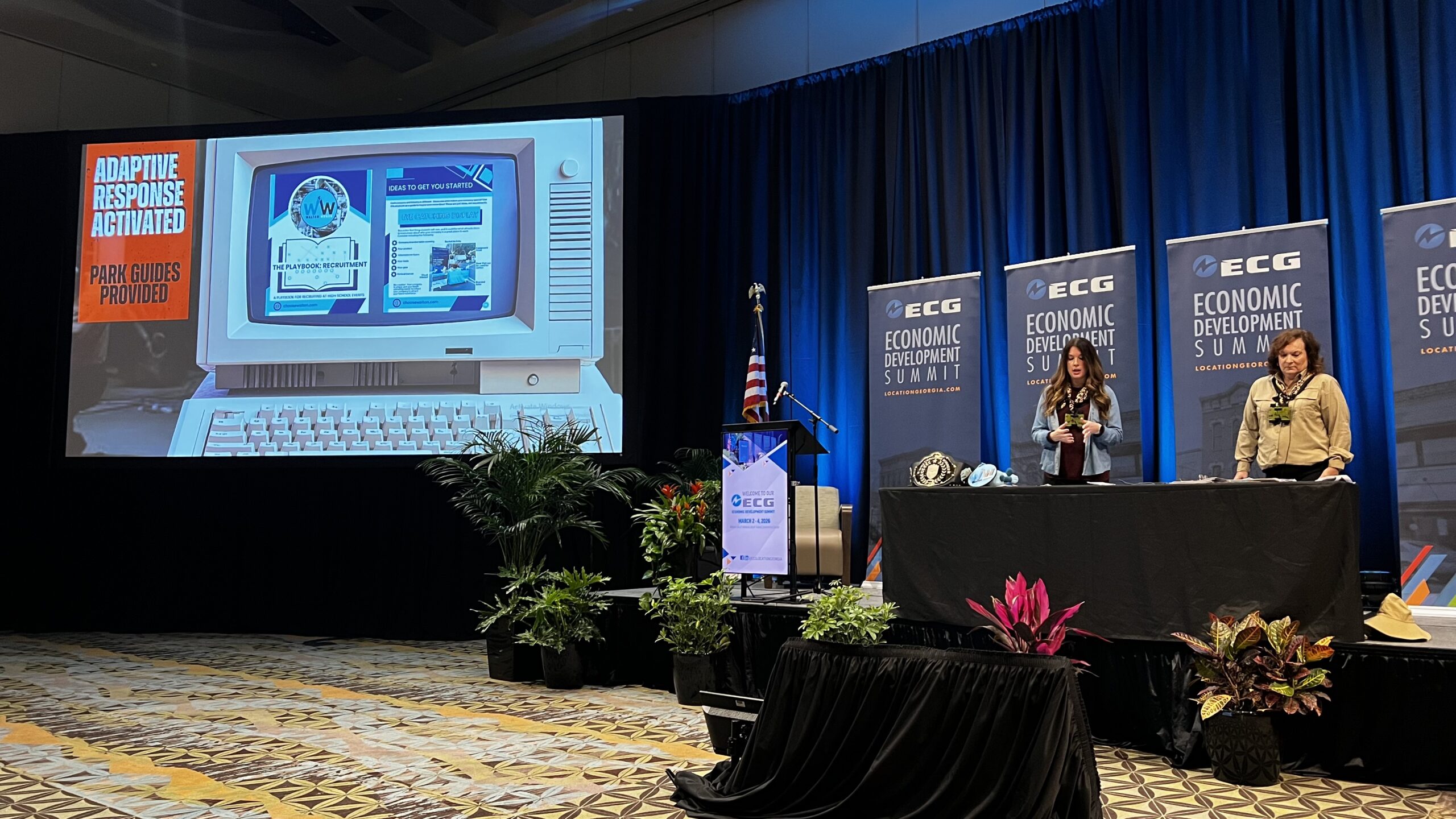
📌 Workforce World: Evolve or Go Extinct
“Workforce programs shouldn’t be complex. If it doesn’t work, it doesn’t work, and move on to something else that might… It’s those conversations and those early efforts that eventually lead you to bigger programs. One of the easiest entry points was our version of Workforce Wednesday. That’s where you meet people who need jobs. Workforce Wednesday is something simple—two people, a computer, and the internet—everybody can do it. We do ours at the library, and sometimes industry comes alongside us.” — Dessa Morris & Jamie Cash, Development Authority of Walton County
Key Takeaways:
- Workforce programs don’t need to start complex; simplicity drives adoption
- Meeting people where they are (libraries, accessible spaces) increases participation
- Workforce development is built through iteration, not perfection
- Early failures are part of building effective long-term programs
- Growth comes from testing, learning, and evolving strategies
SUMMIT HIGHLIGHTS
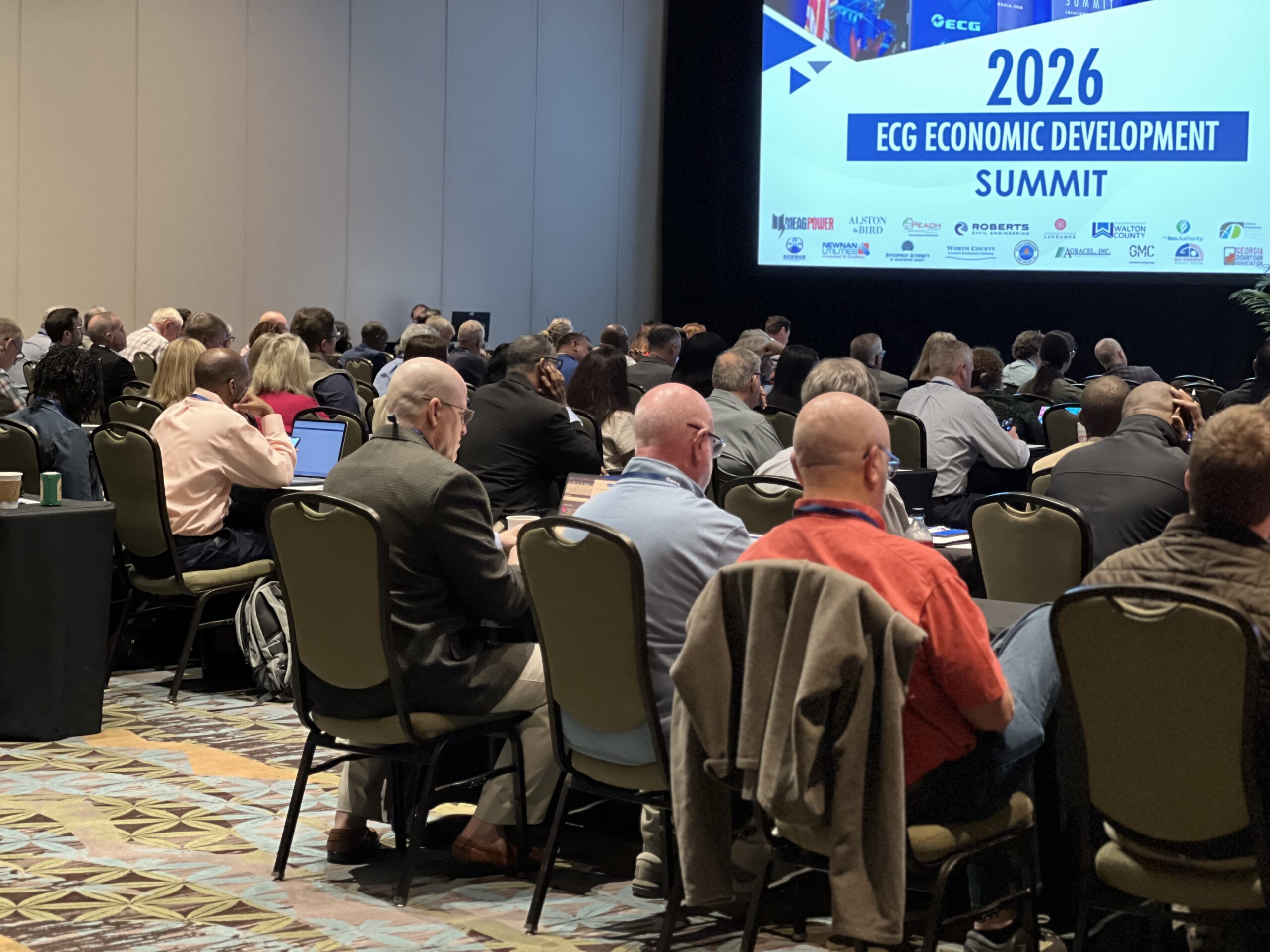
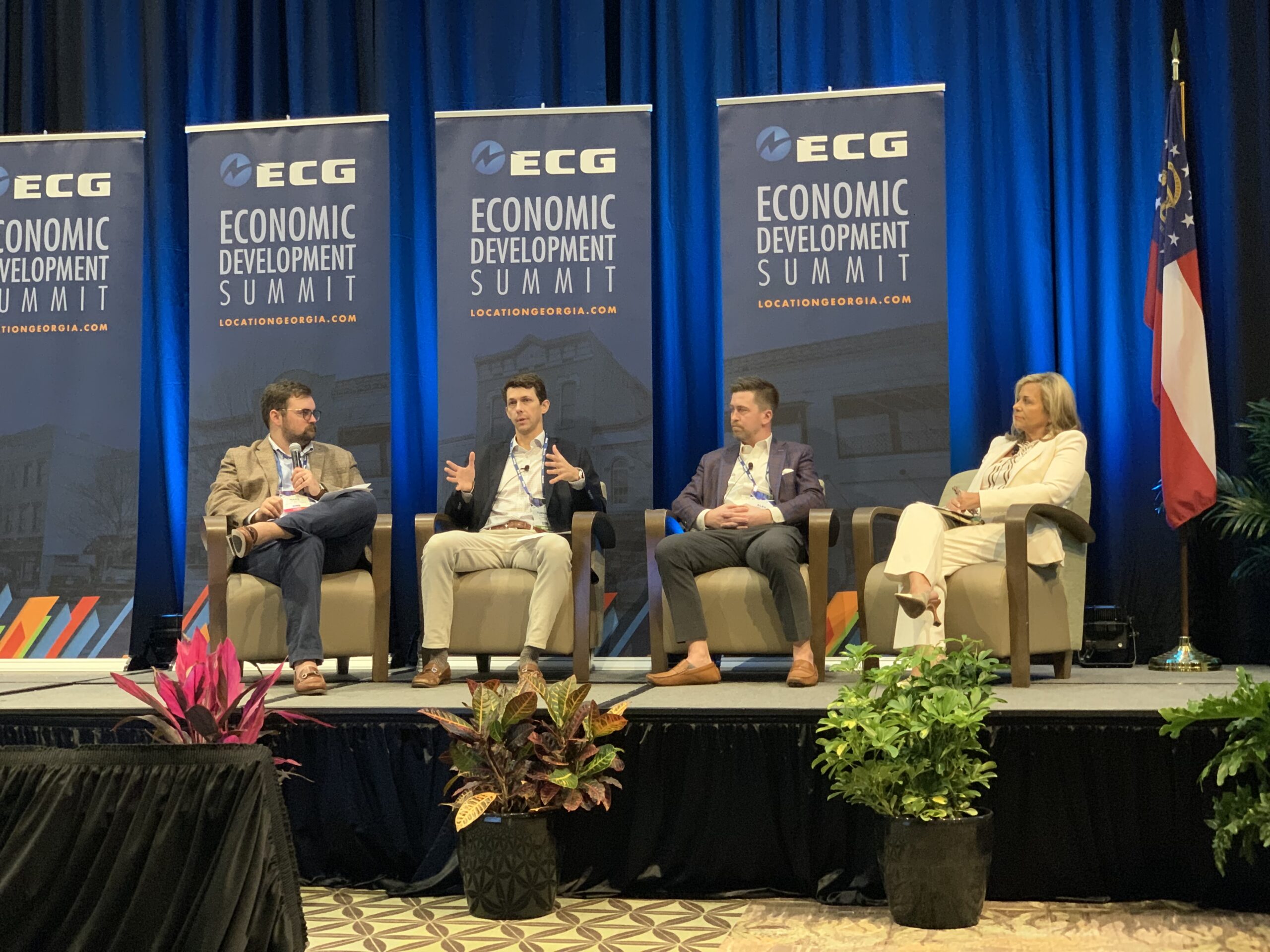
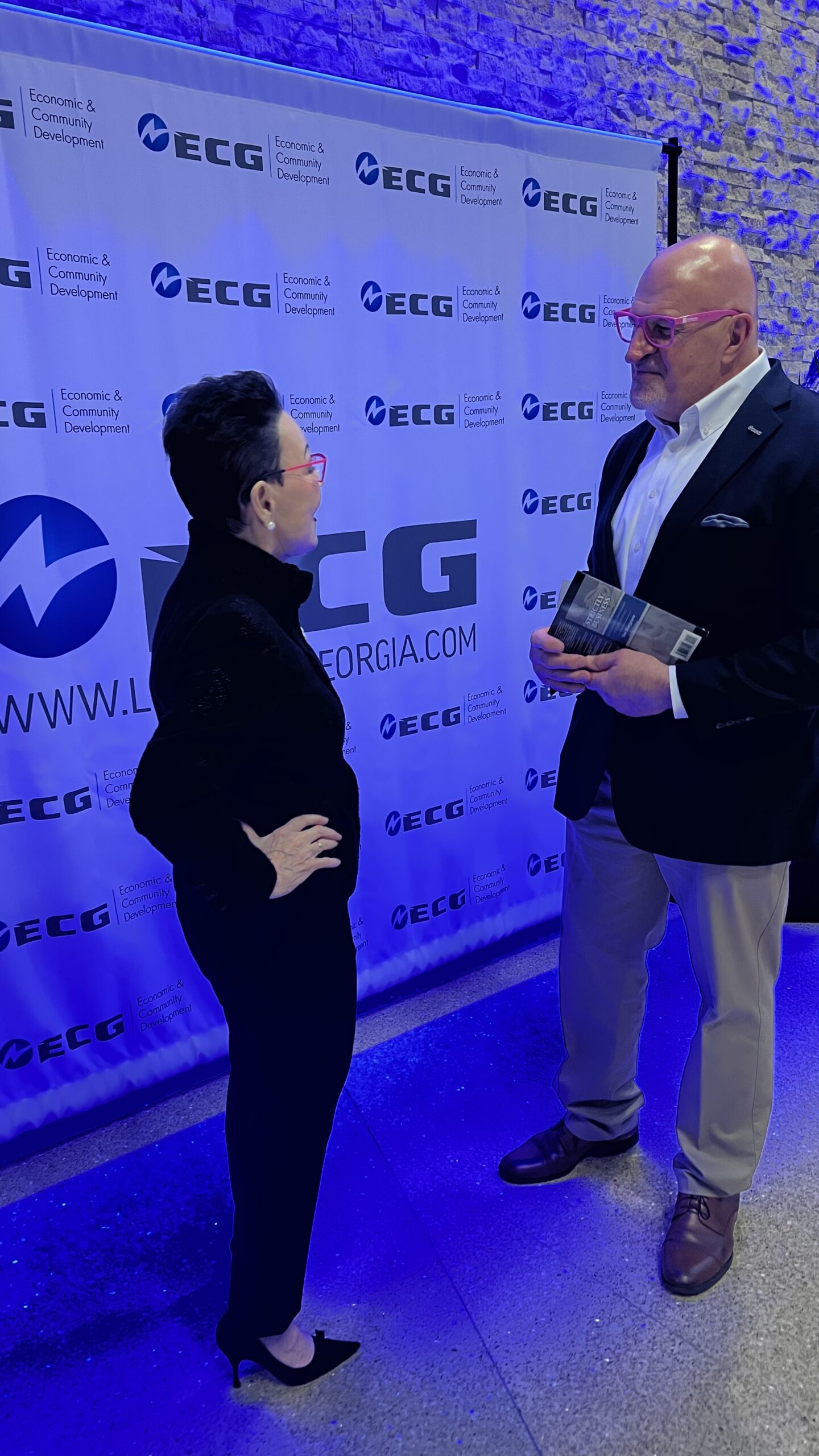
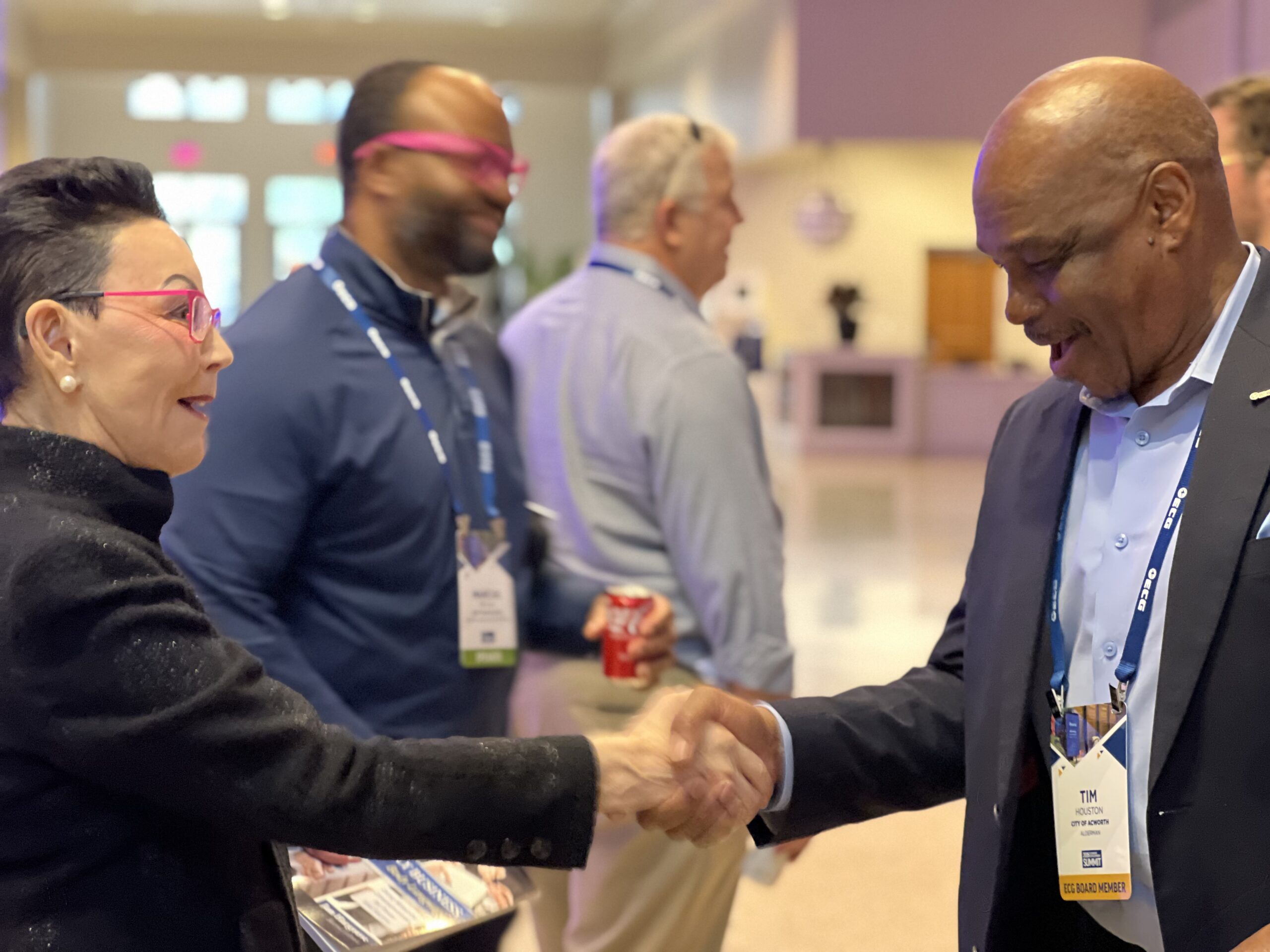
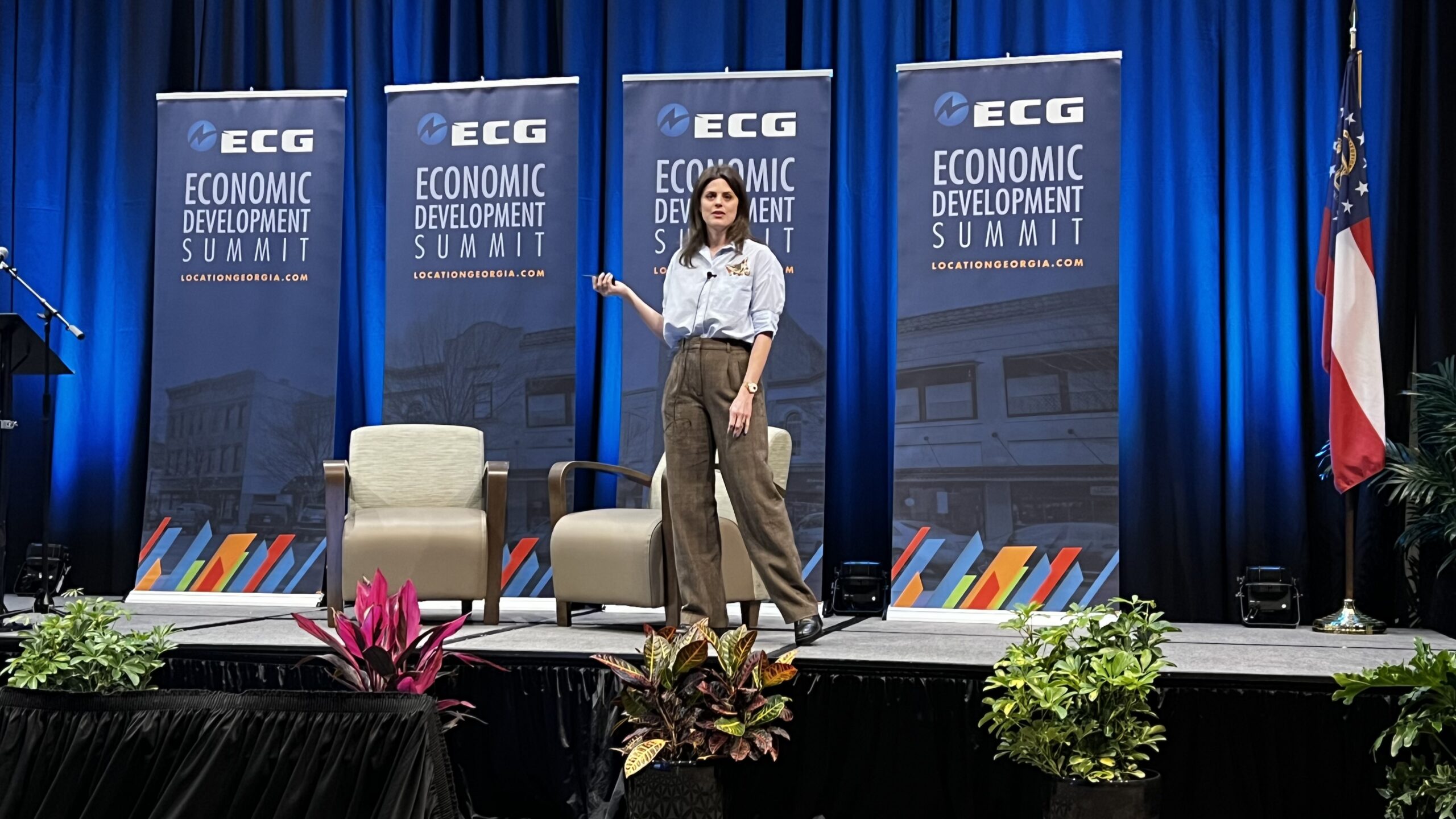
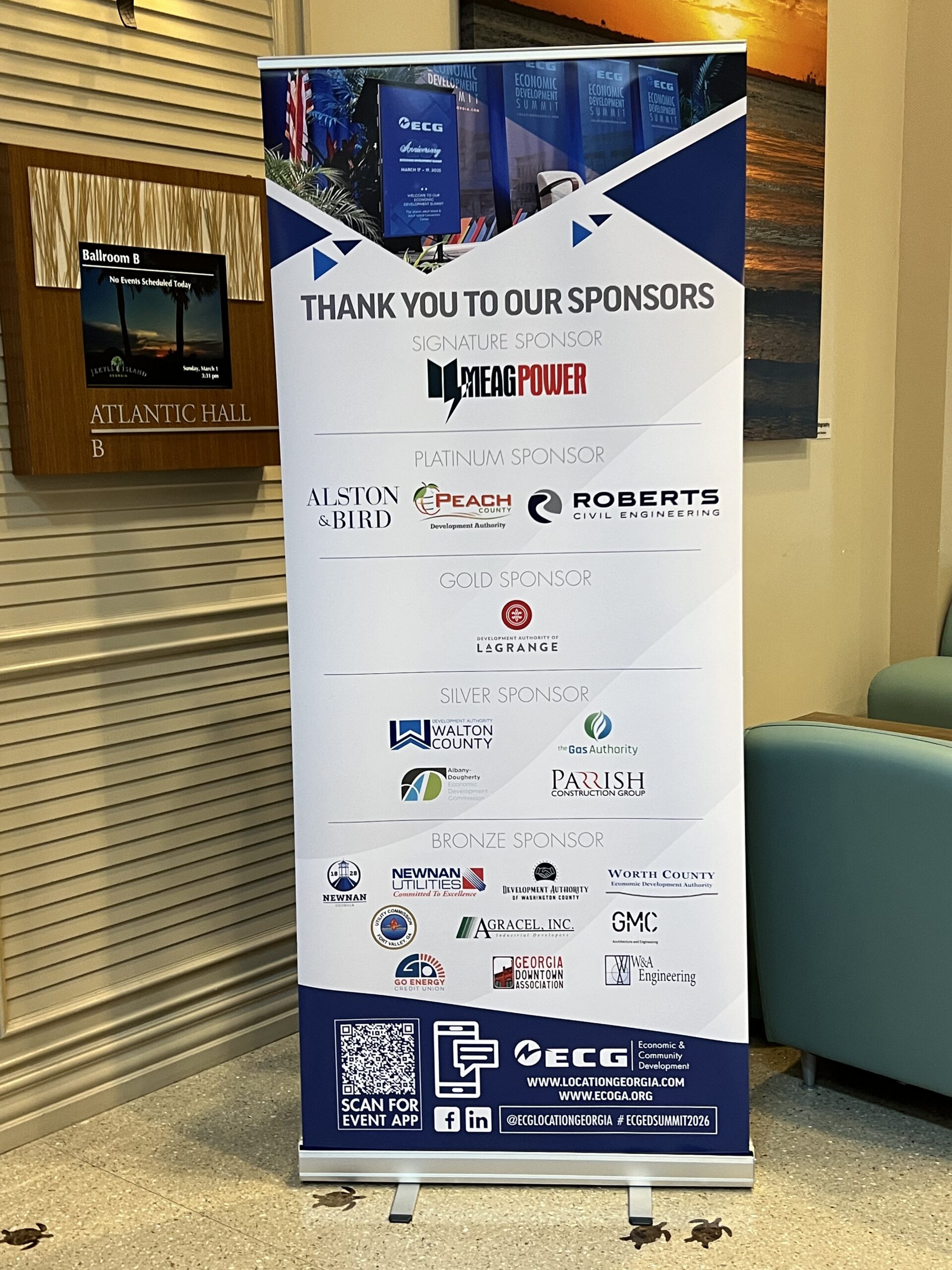
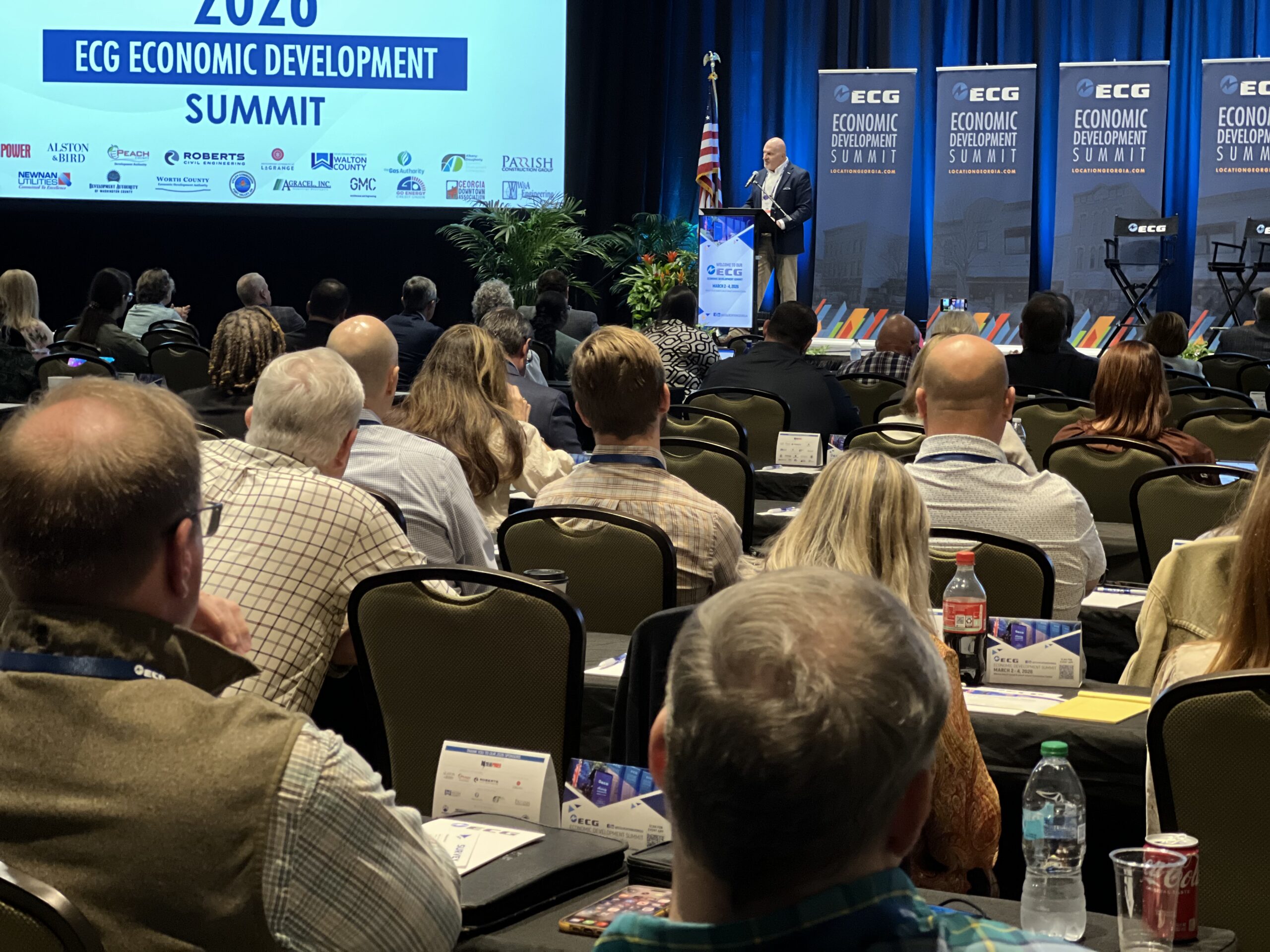
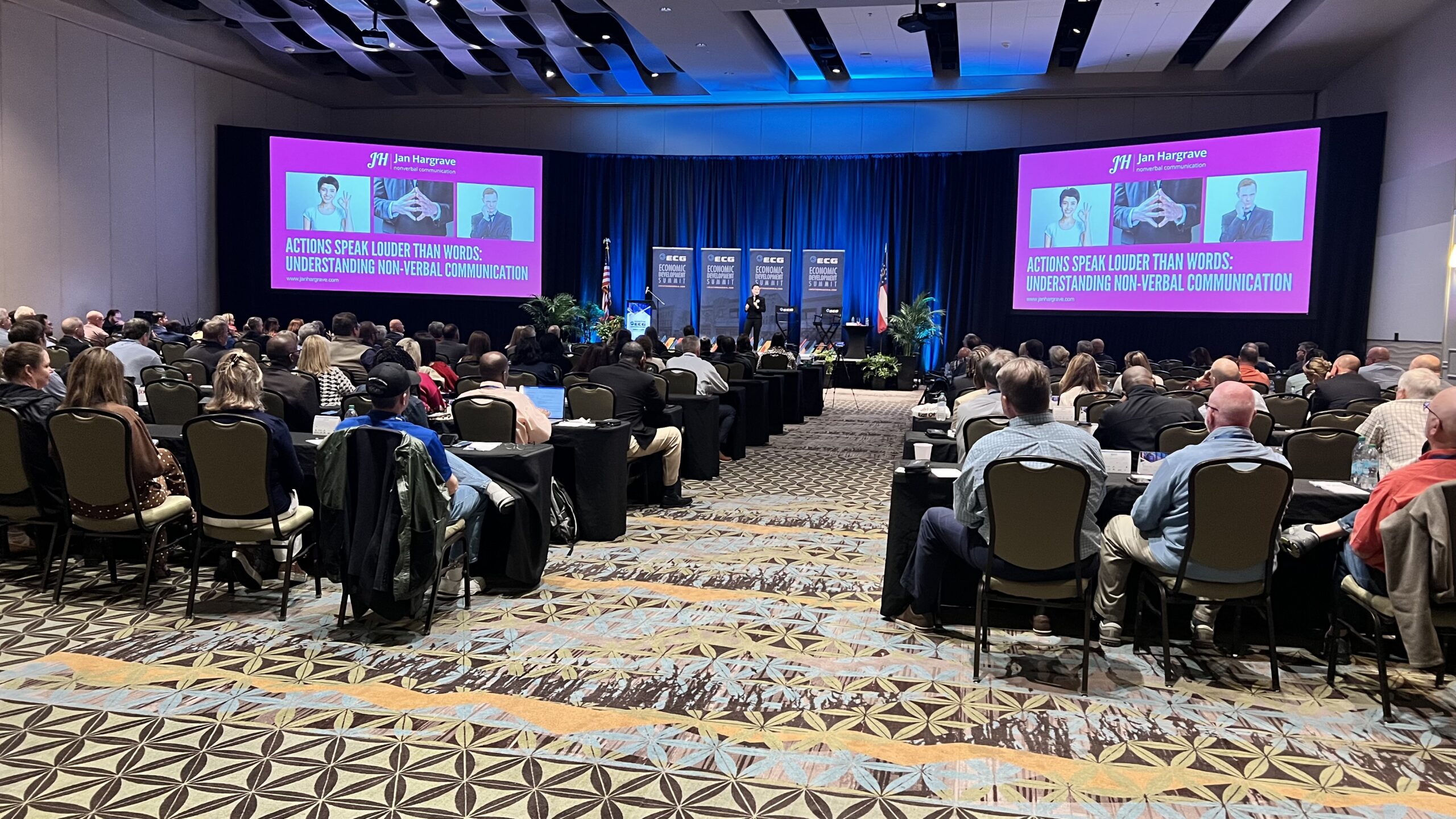
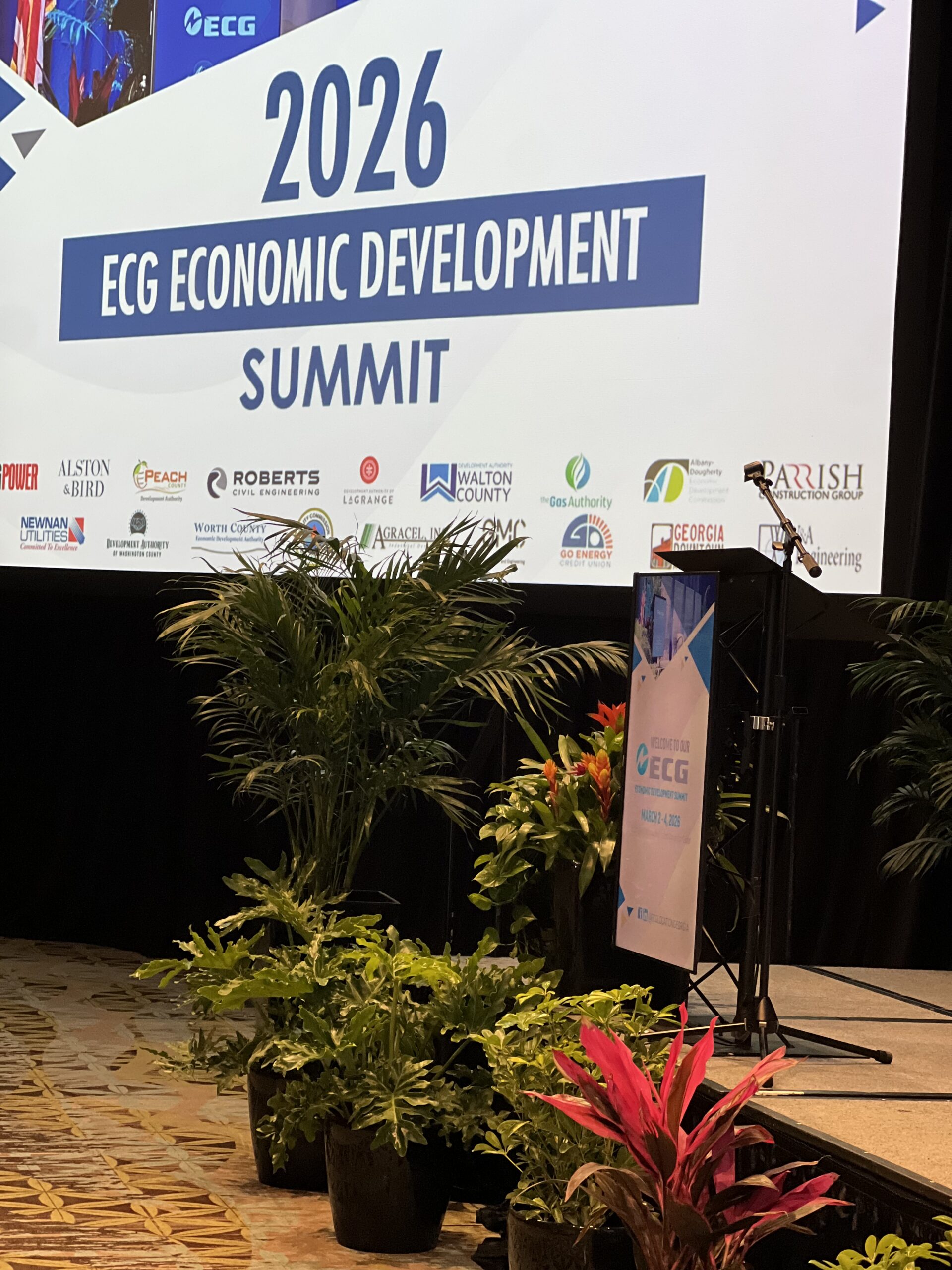
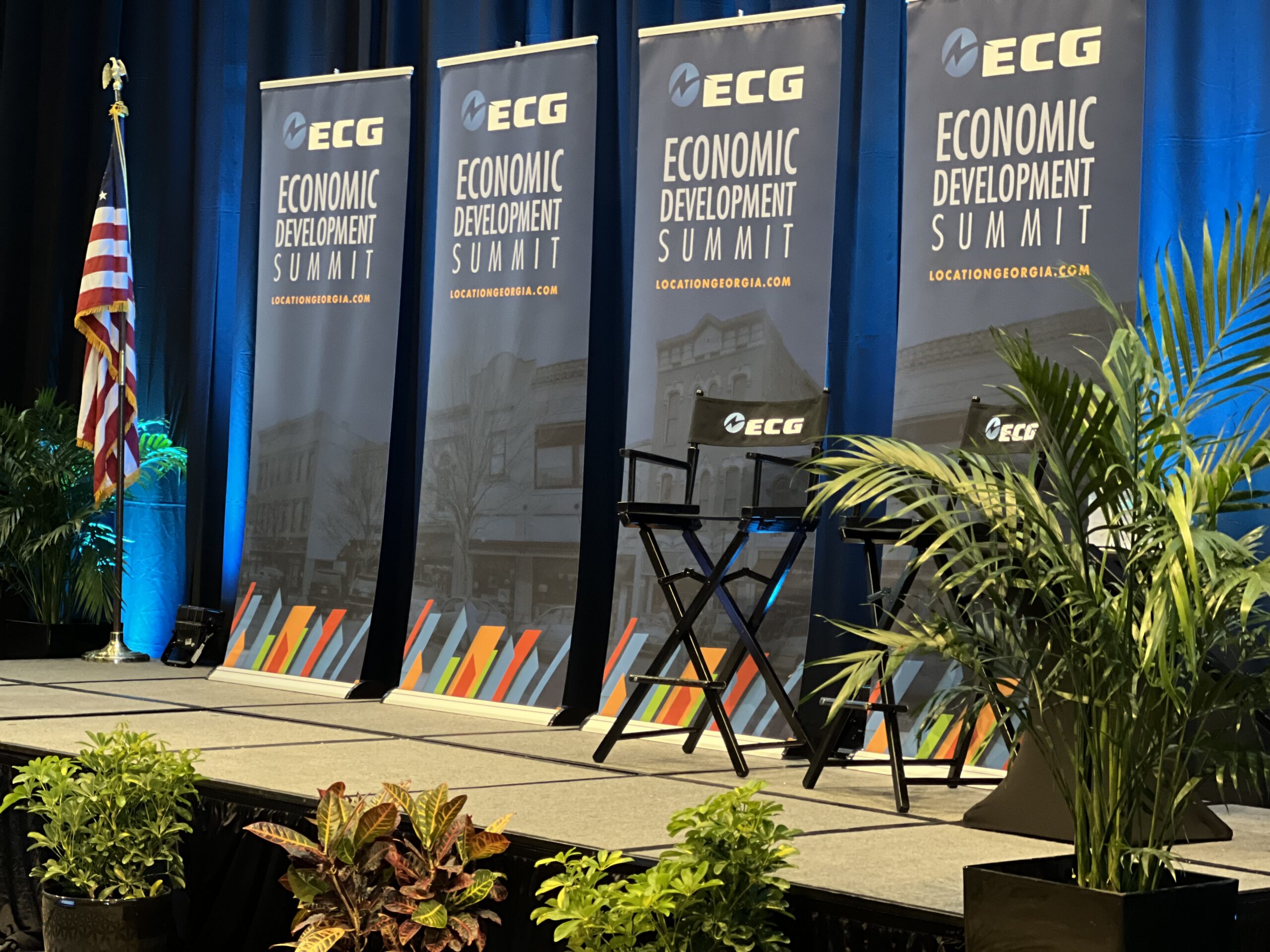
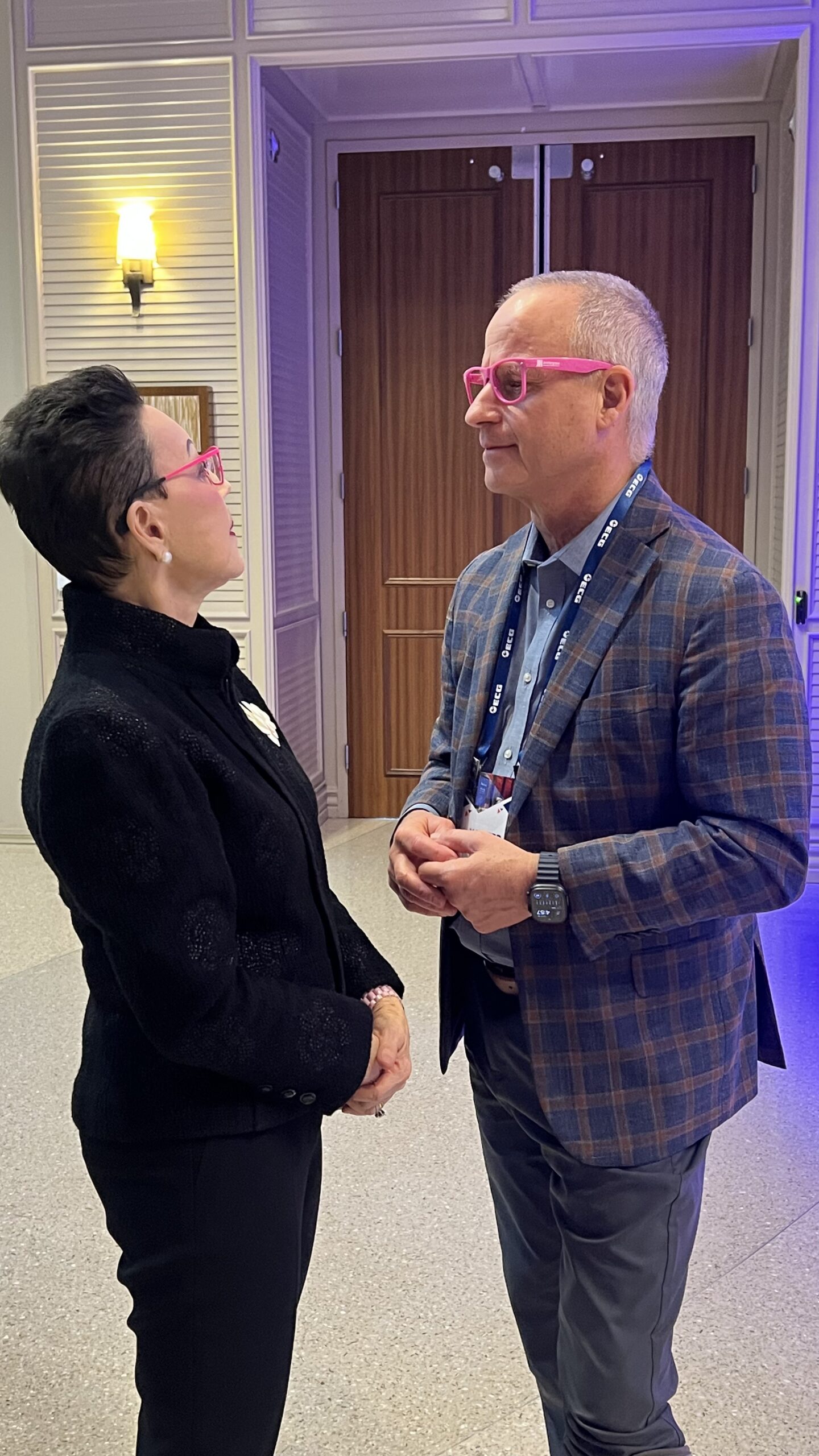
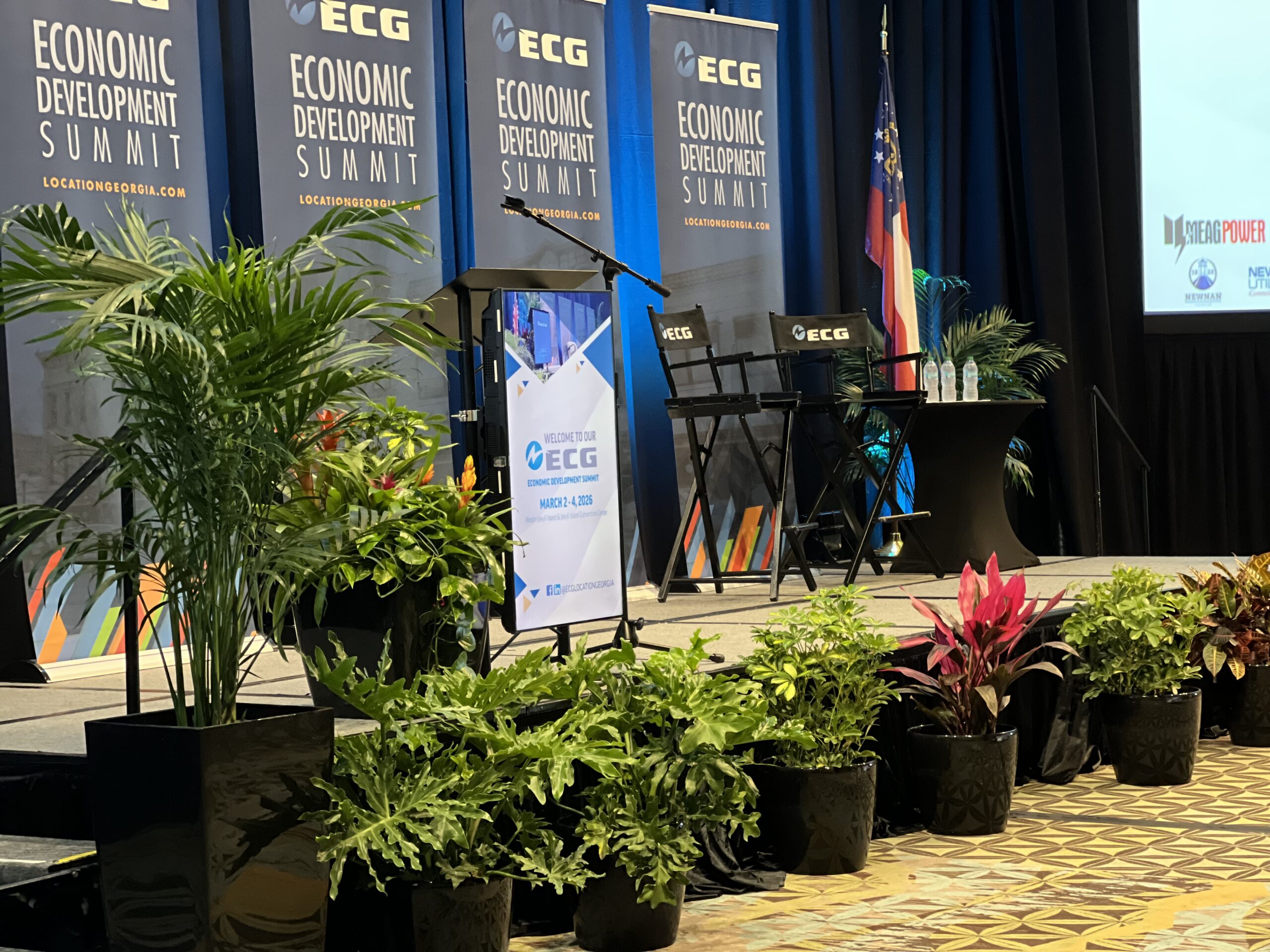
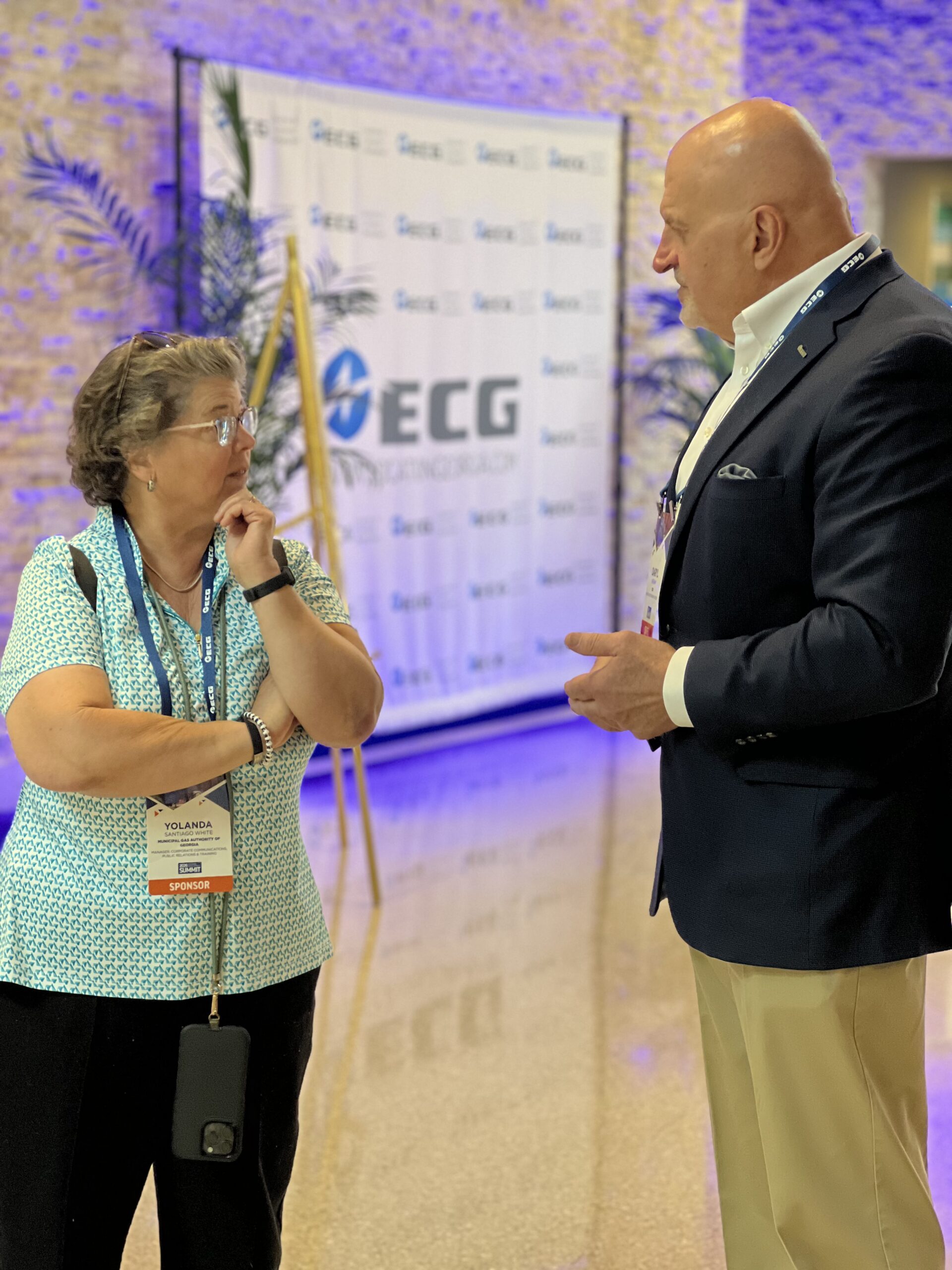
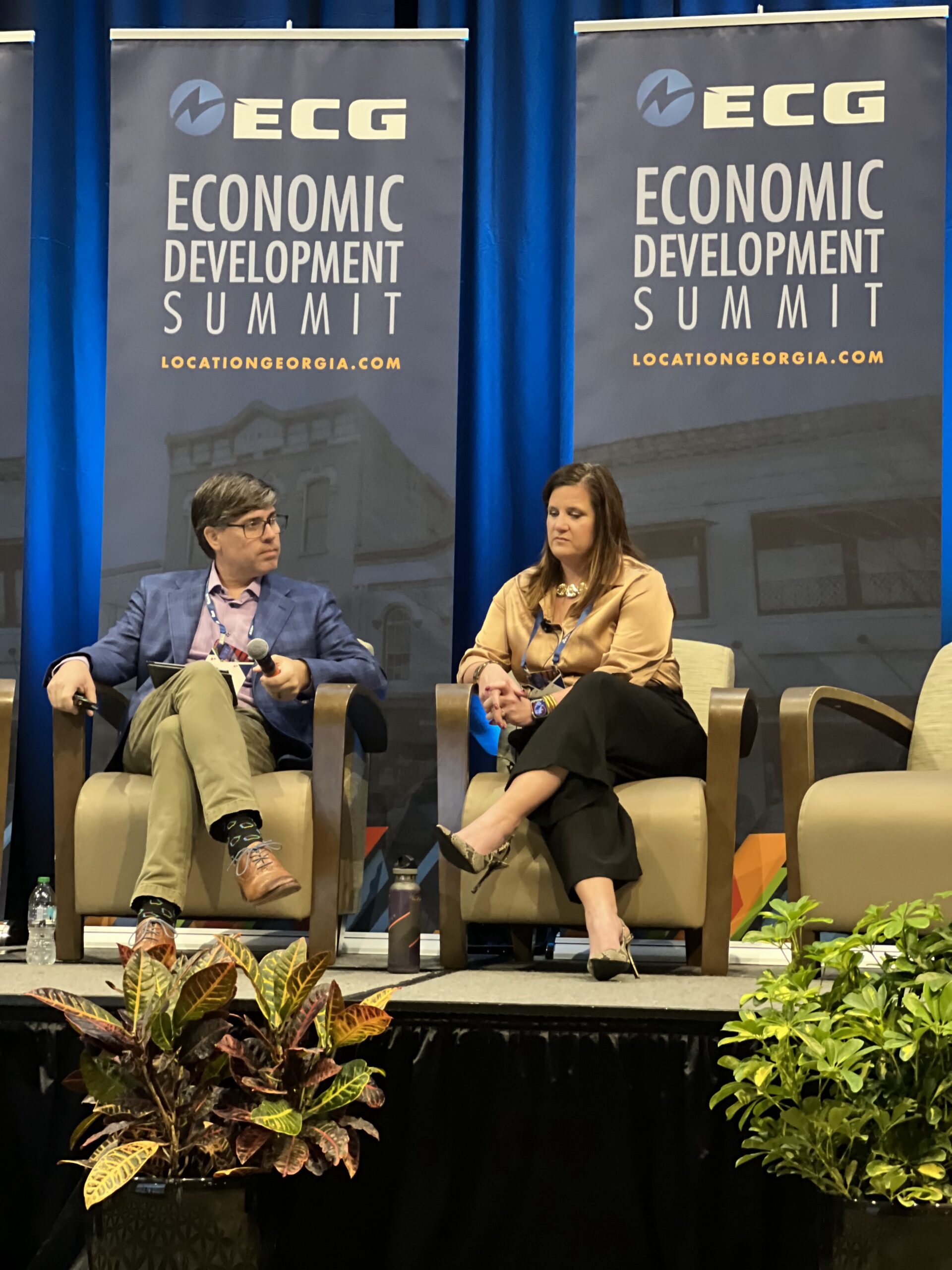
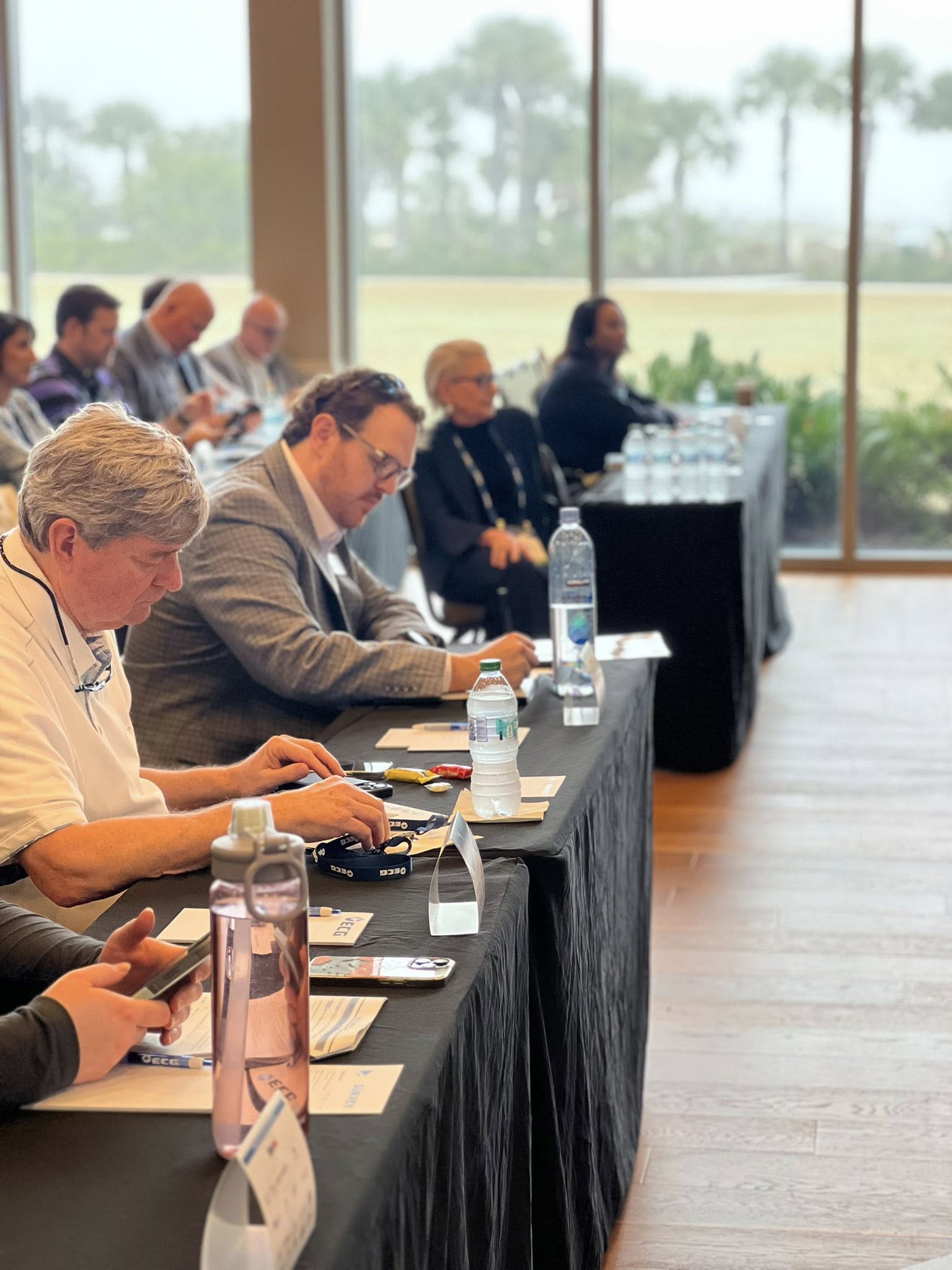
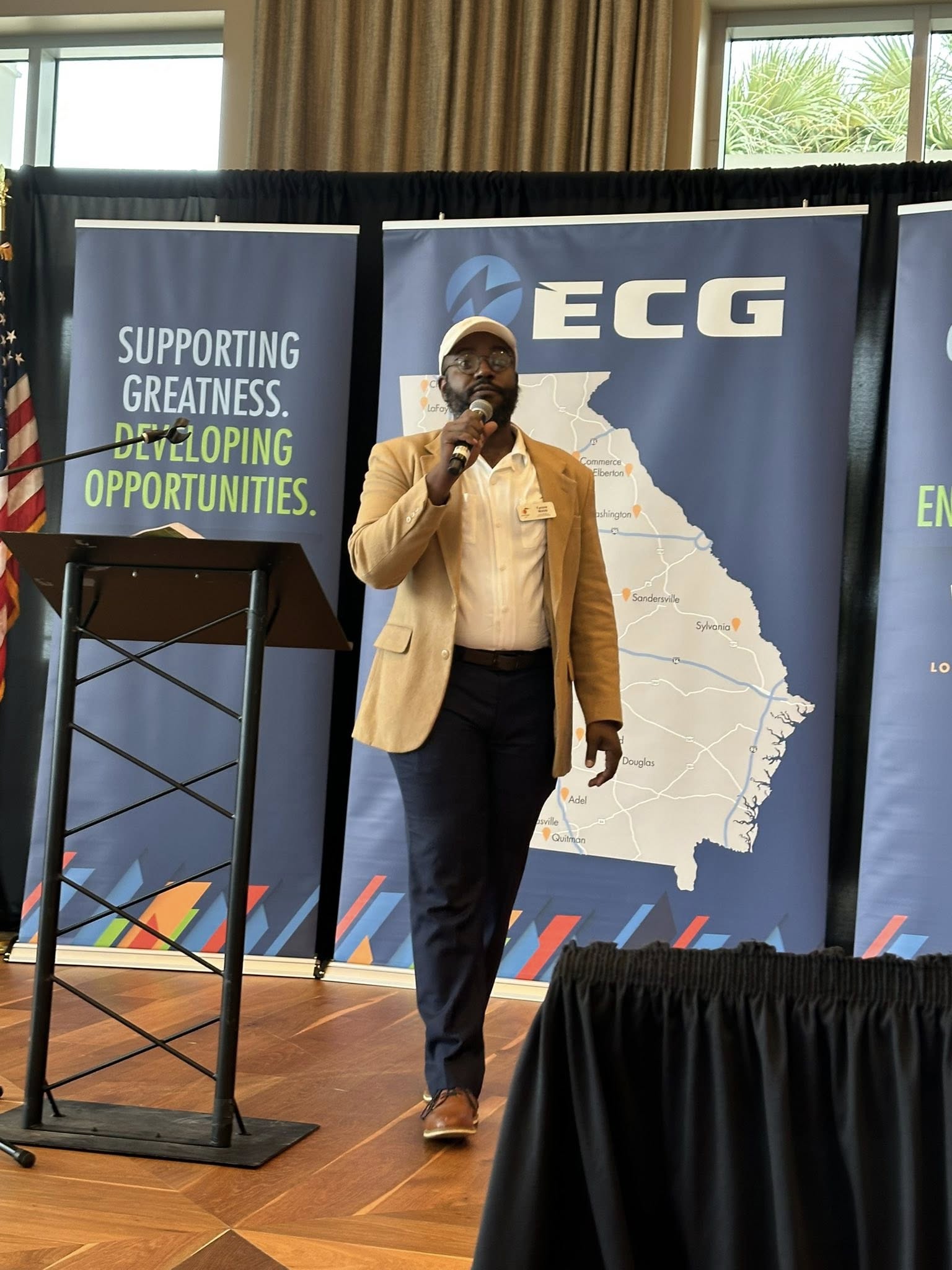
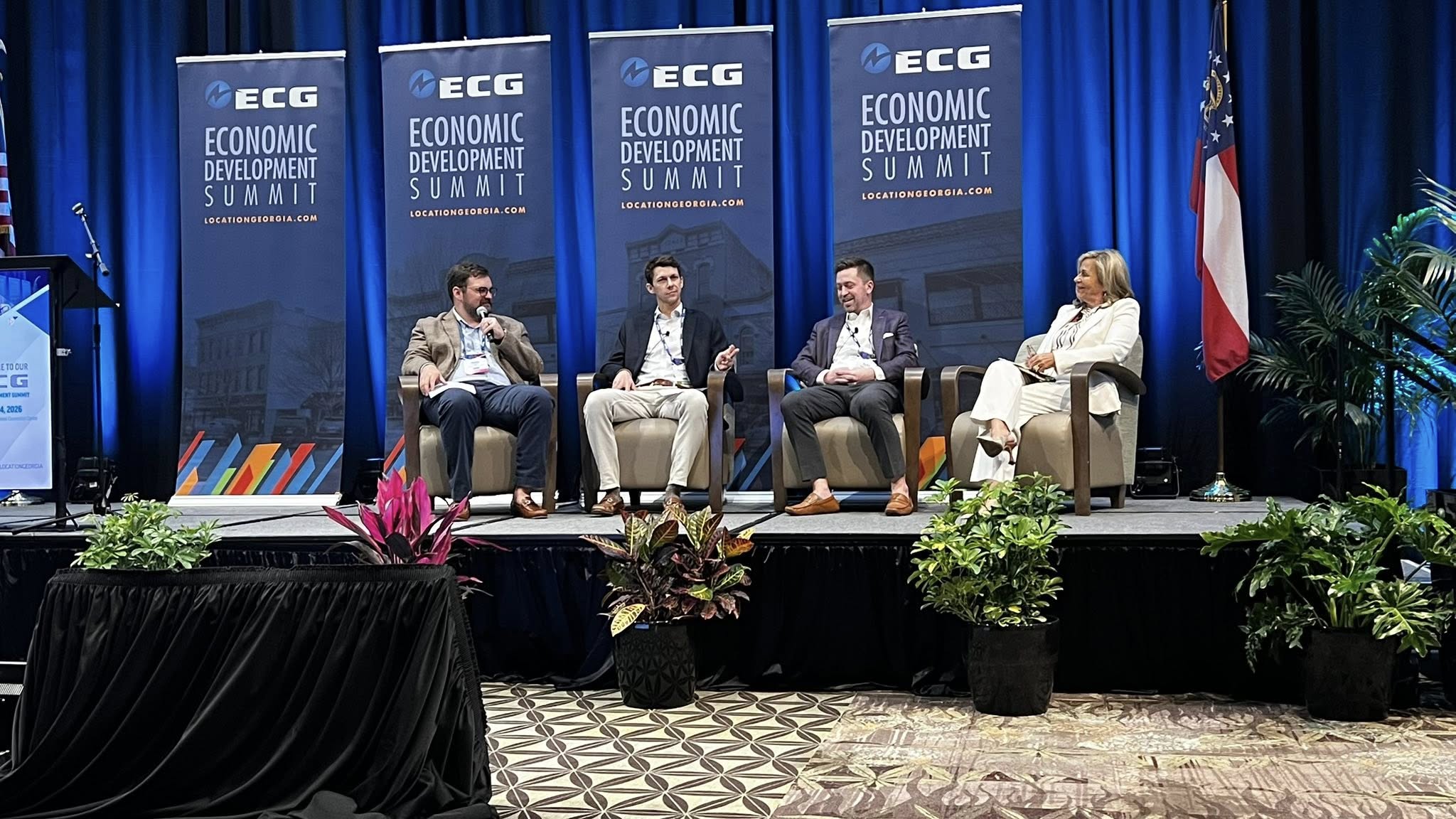
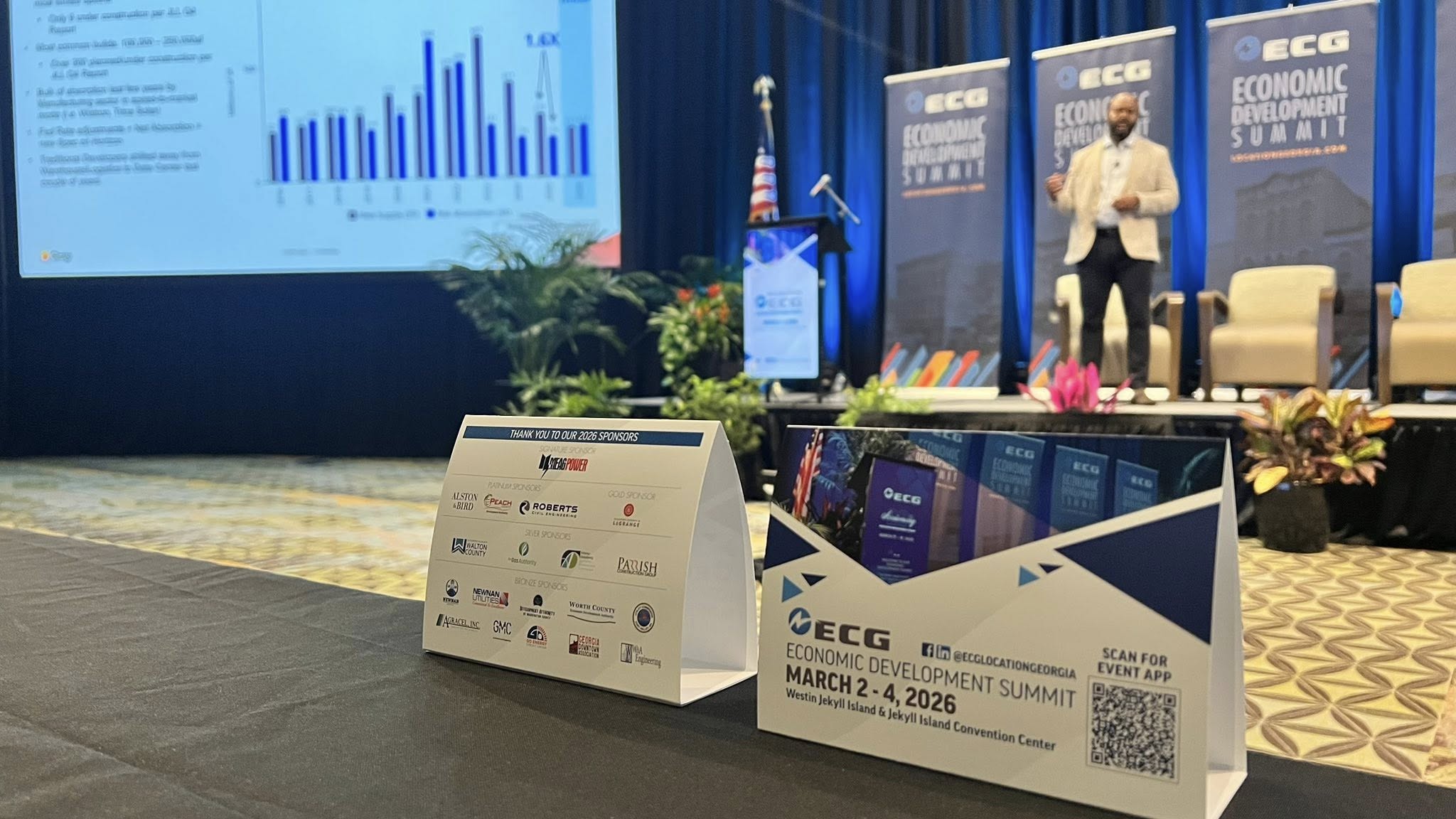
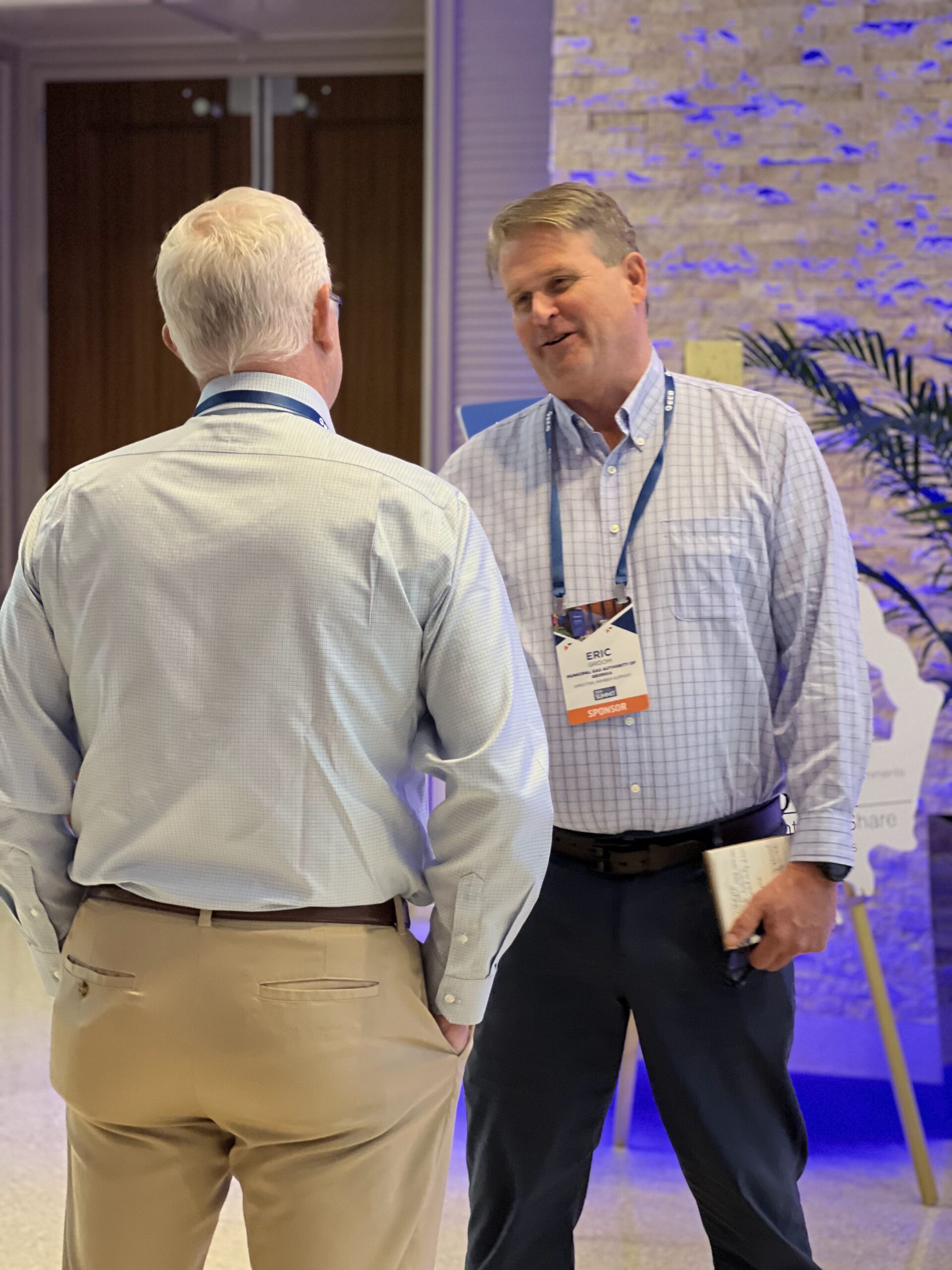
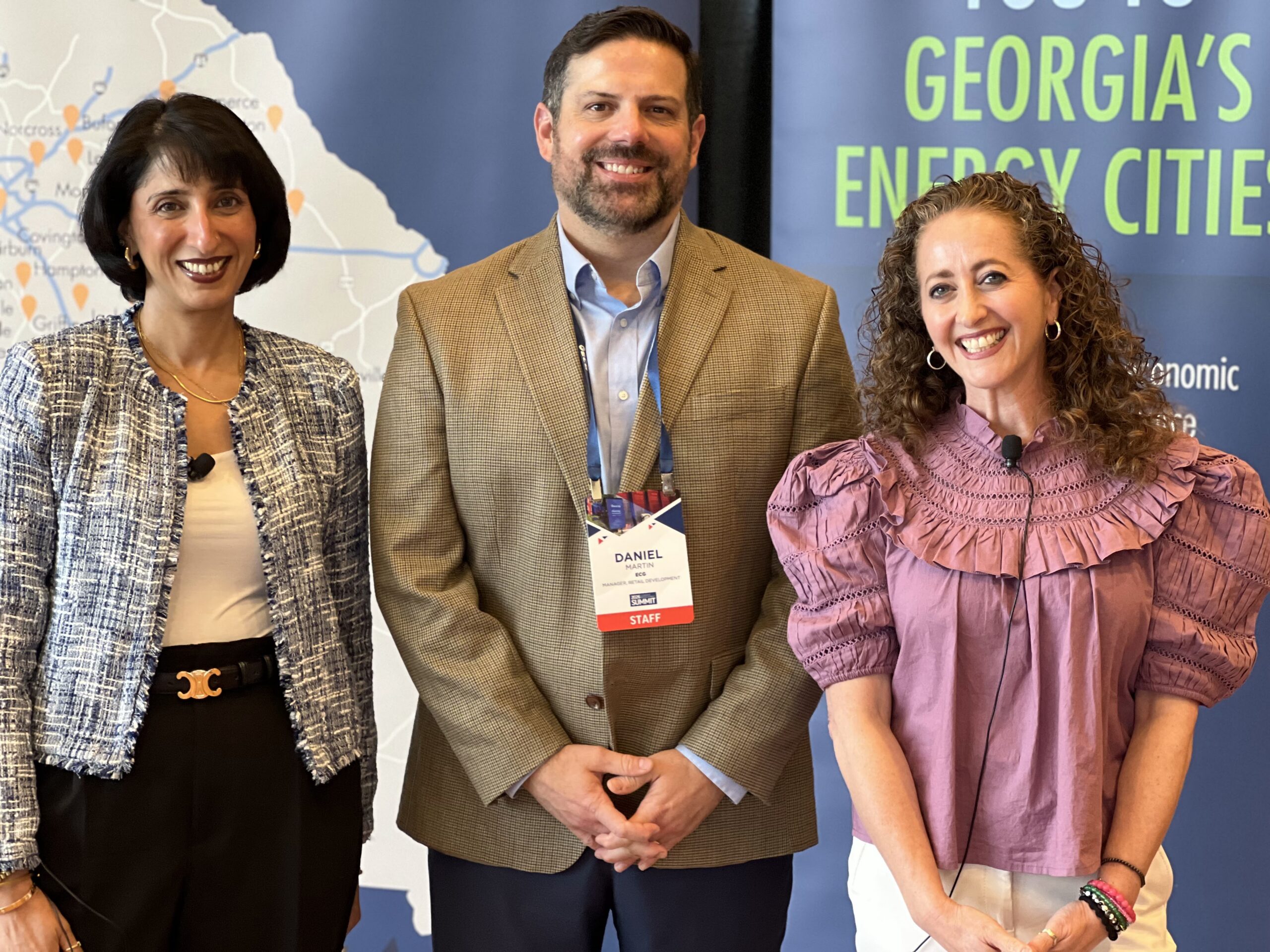
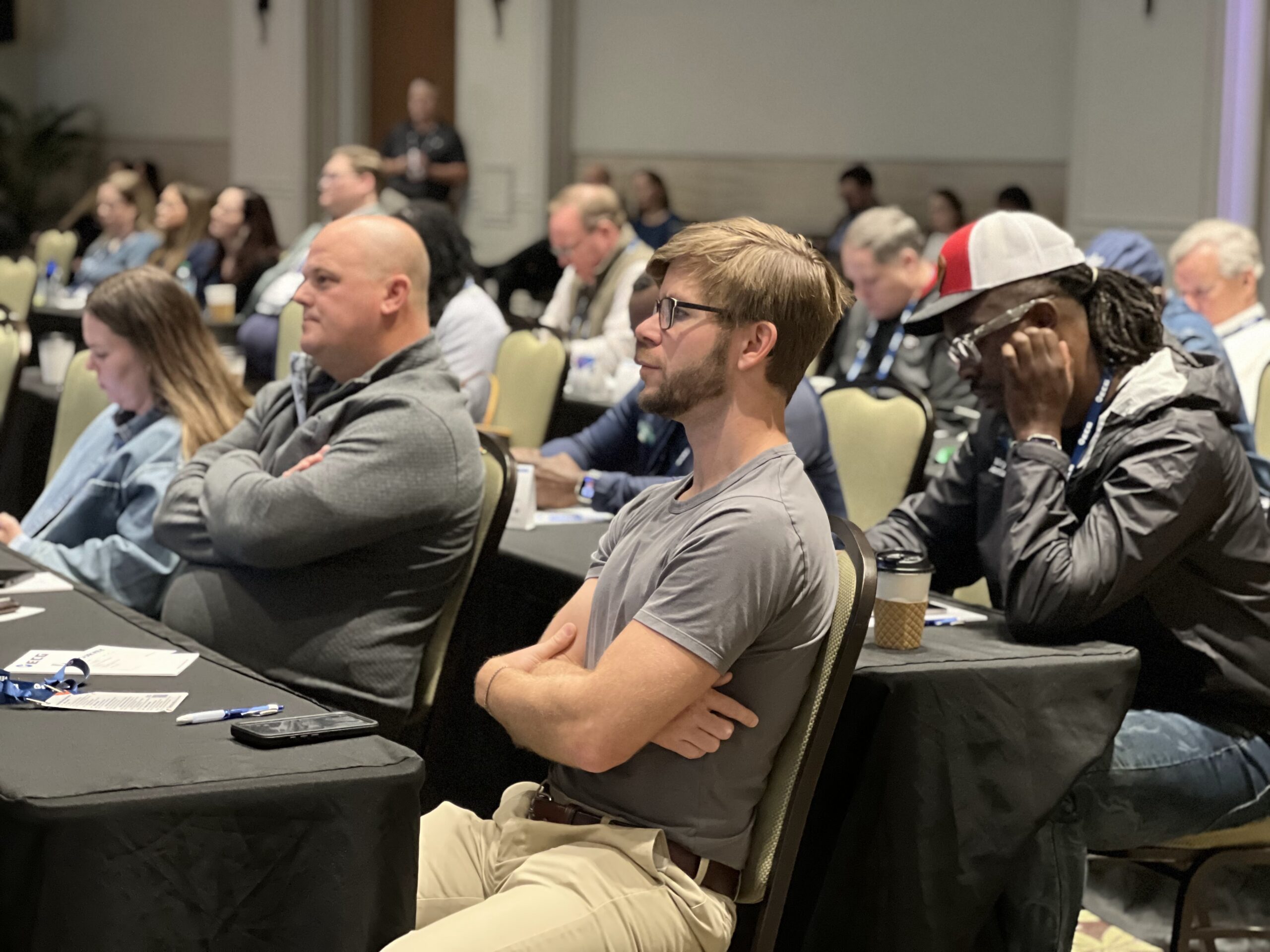
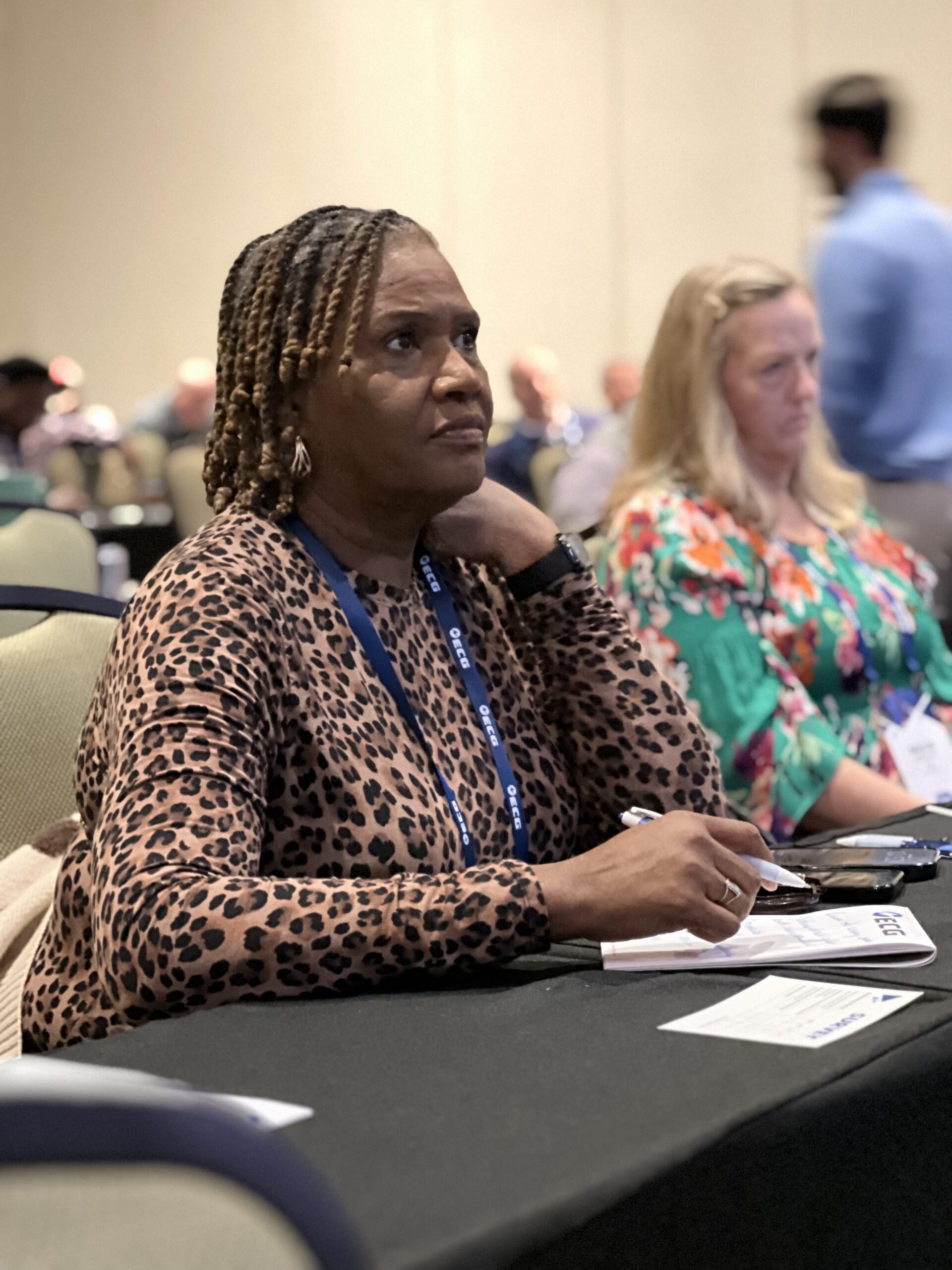
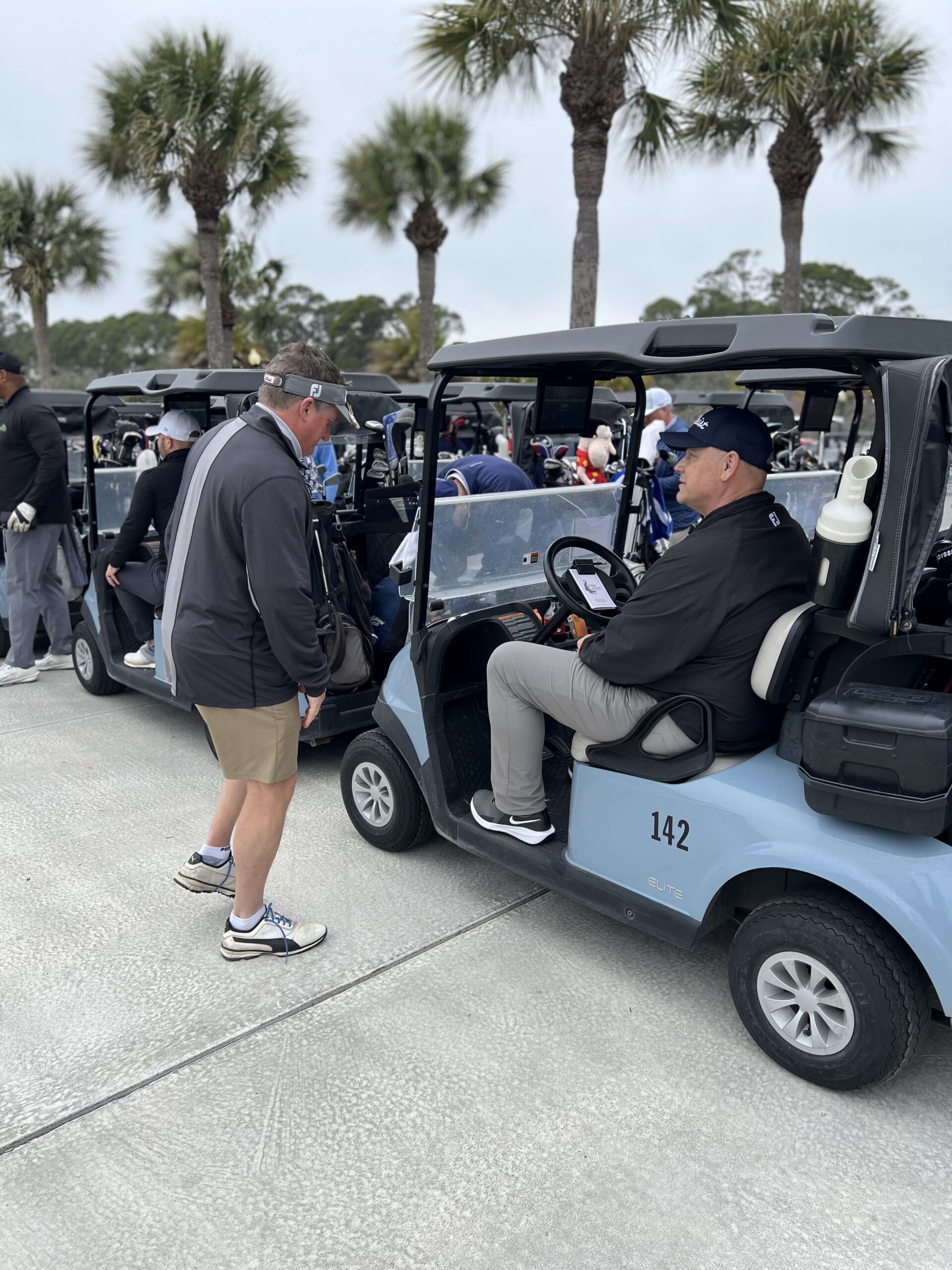
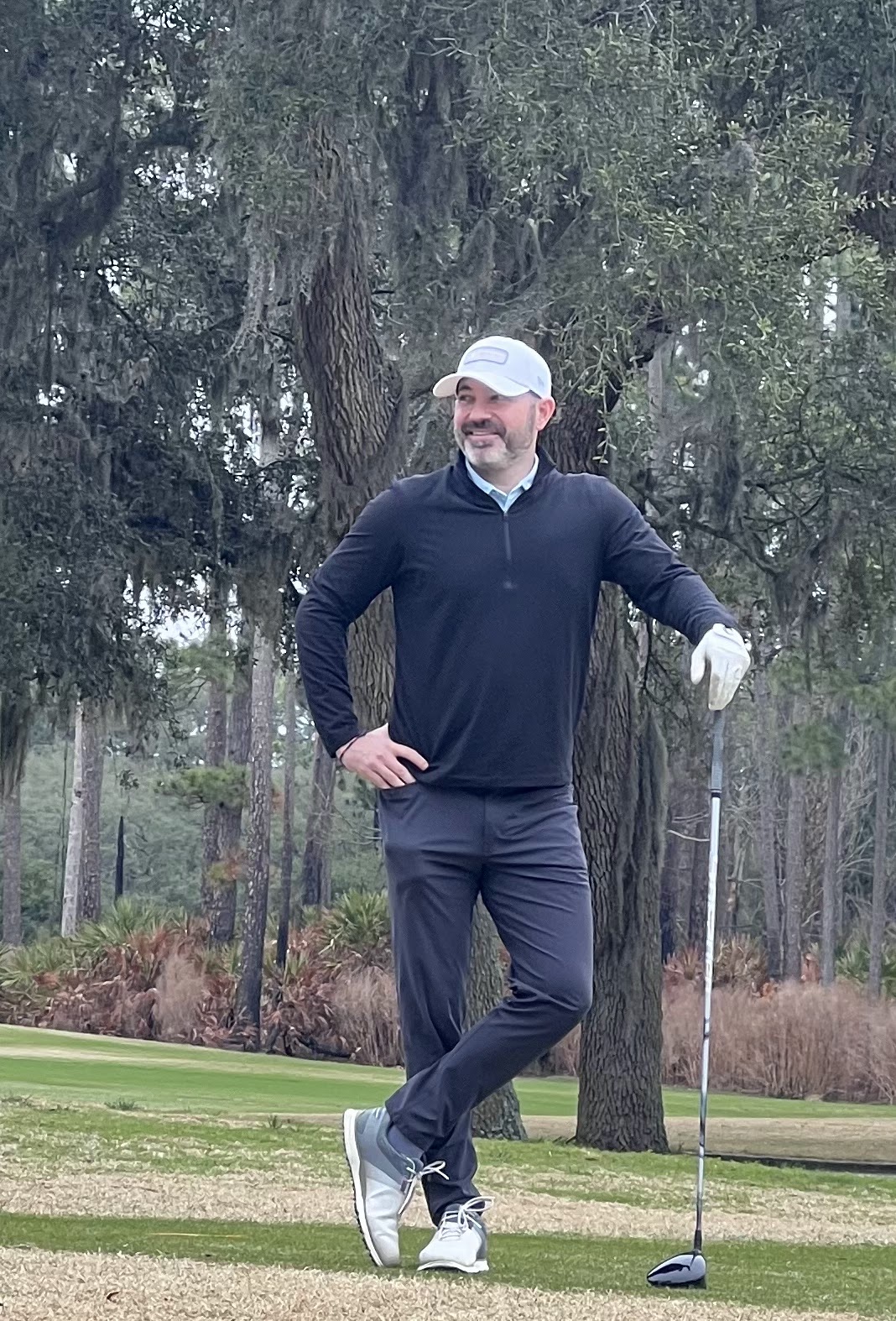
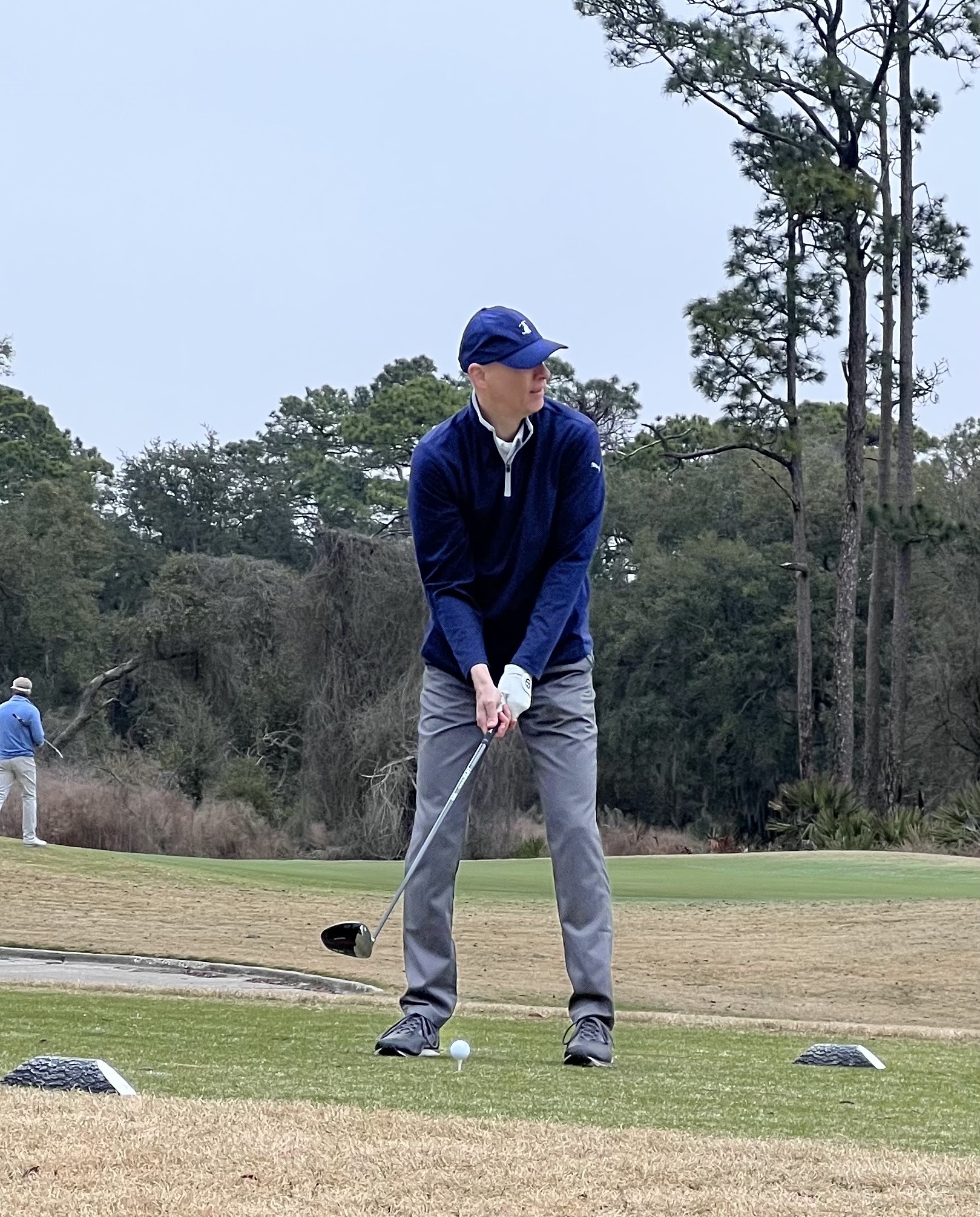
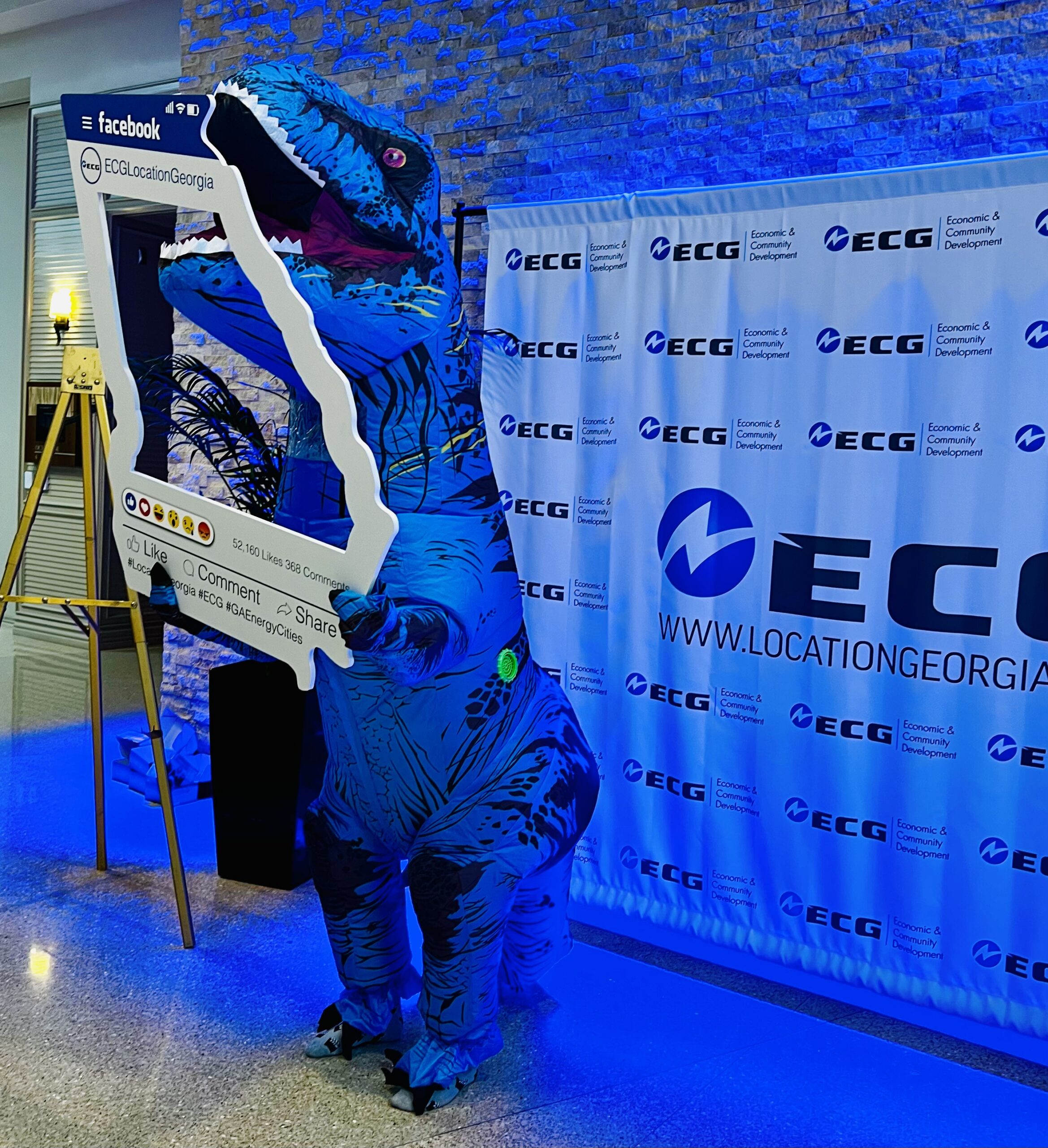
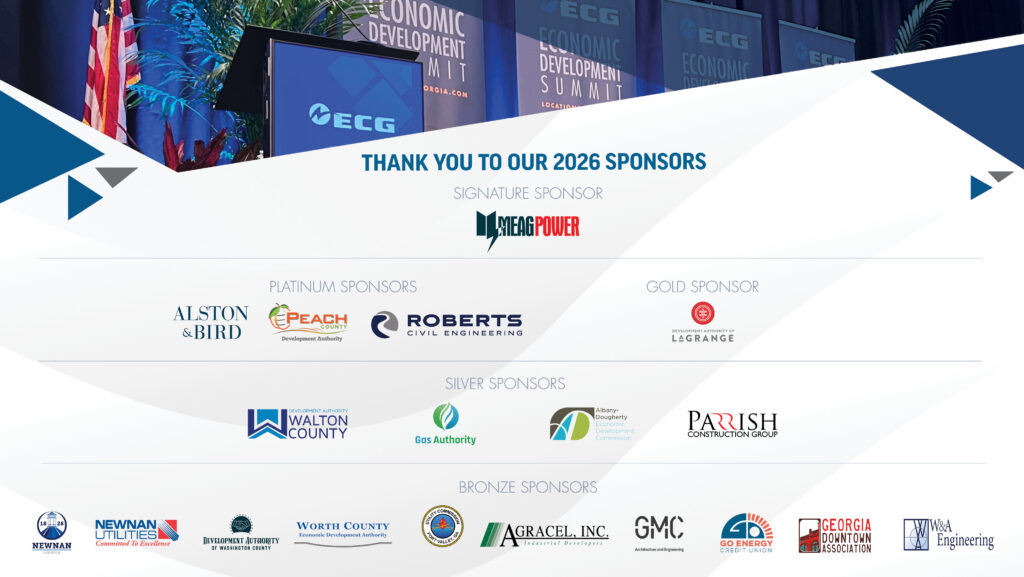
We wish to express our deepest appreciation and heartfelt thanks to our sponsors. Your generous contributions enable us to host a top-tier Summit of exceptional quality year after year.
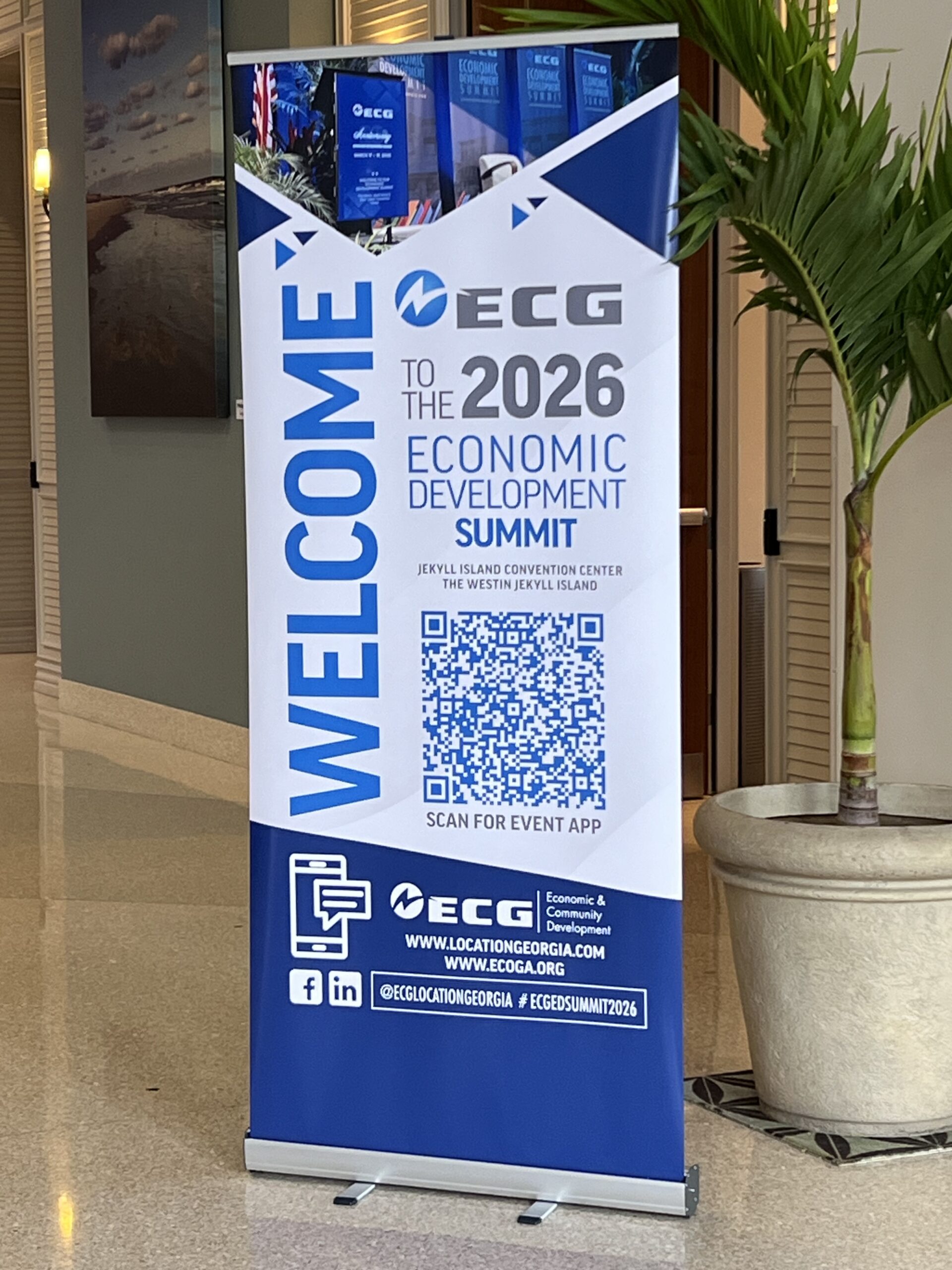
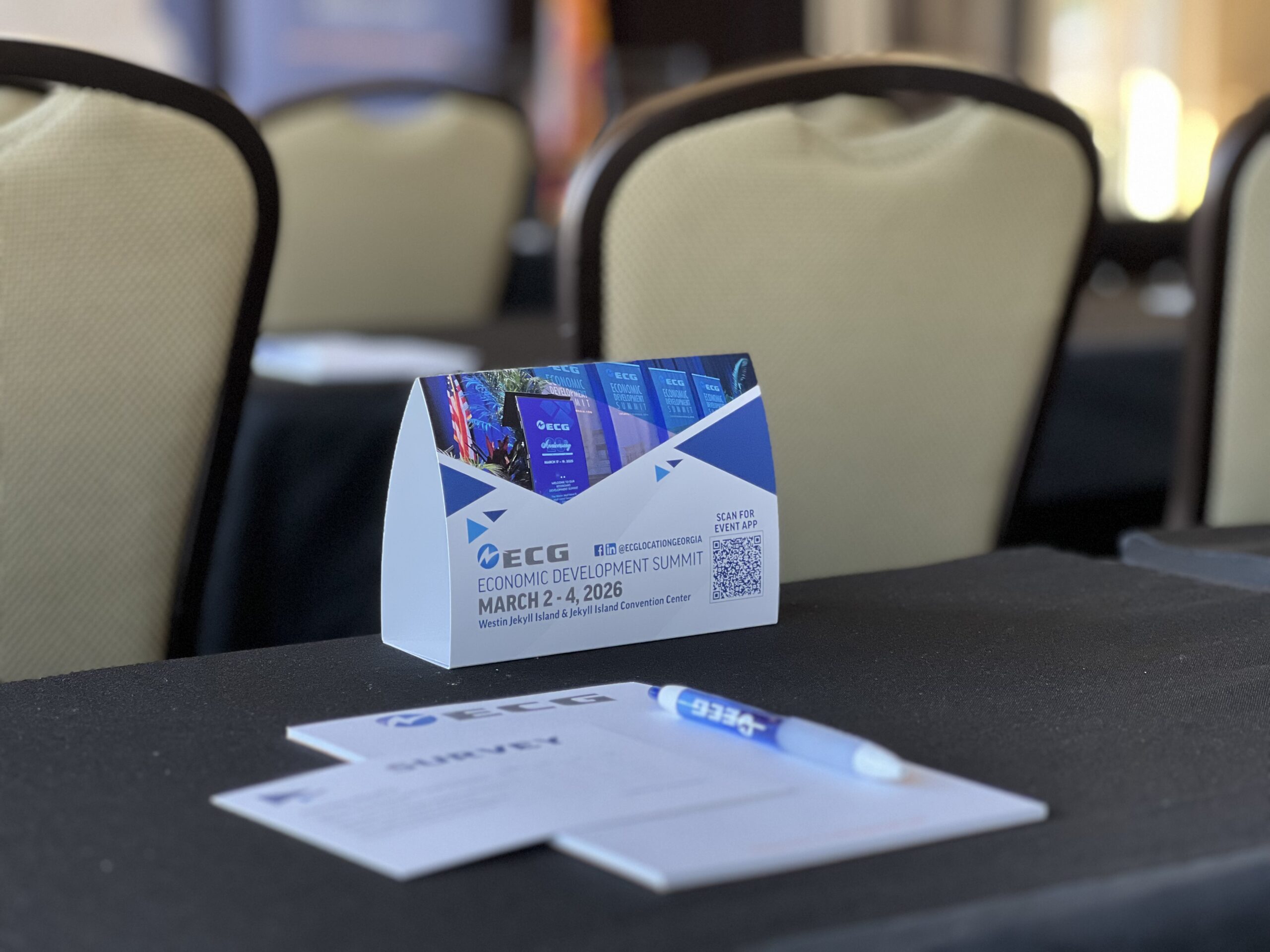
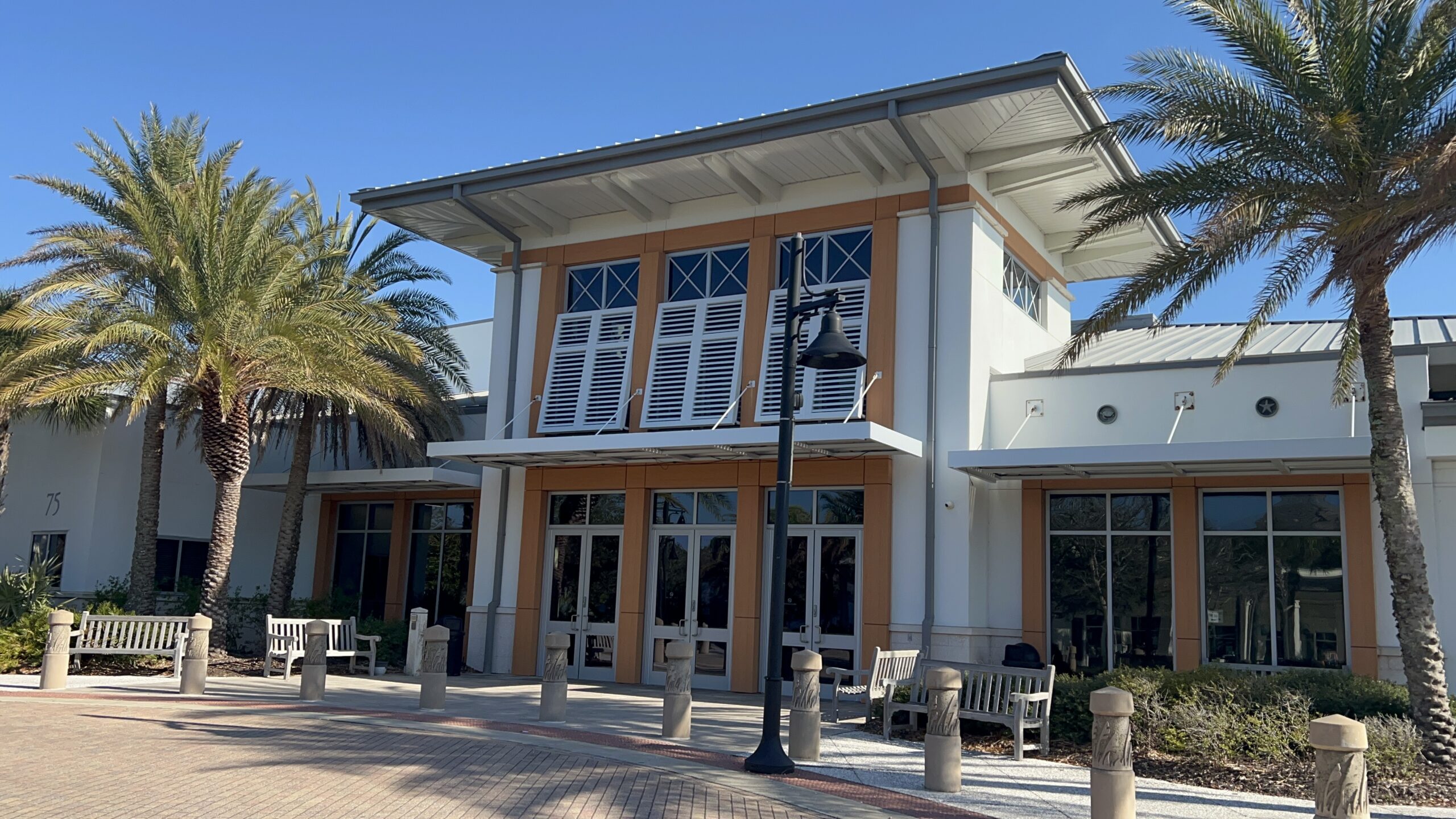
Save the date for our 2027 ECG Economic Development Summit on March 15 – 17, 2027, at the Westin Jekyll Island & Jekyll Island Convention Center.
For our past events, explore more here.