
13 Nov 2025
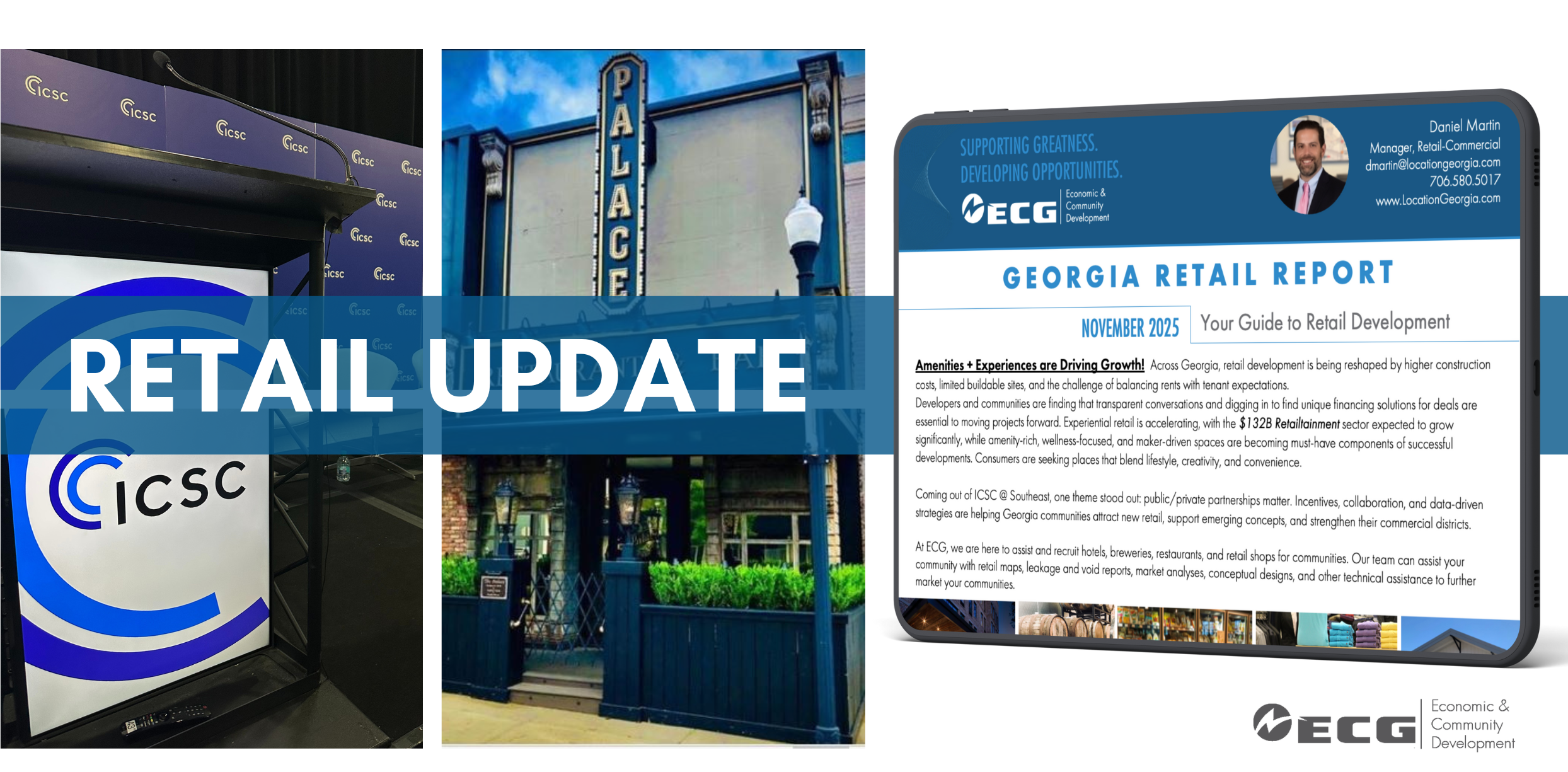
Georgia Retail Update: Retailtainment, Amenity-Driven Properties, and Public/Private Partnerships
Our retail team participated in another successful ICSC Southeast event in Atlanta this past October! The event, held at the Georgia World Congress Center, included insight into the hurdles developers continue to face.
28 Aug 2025
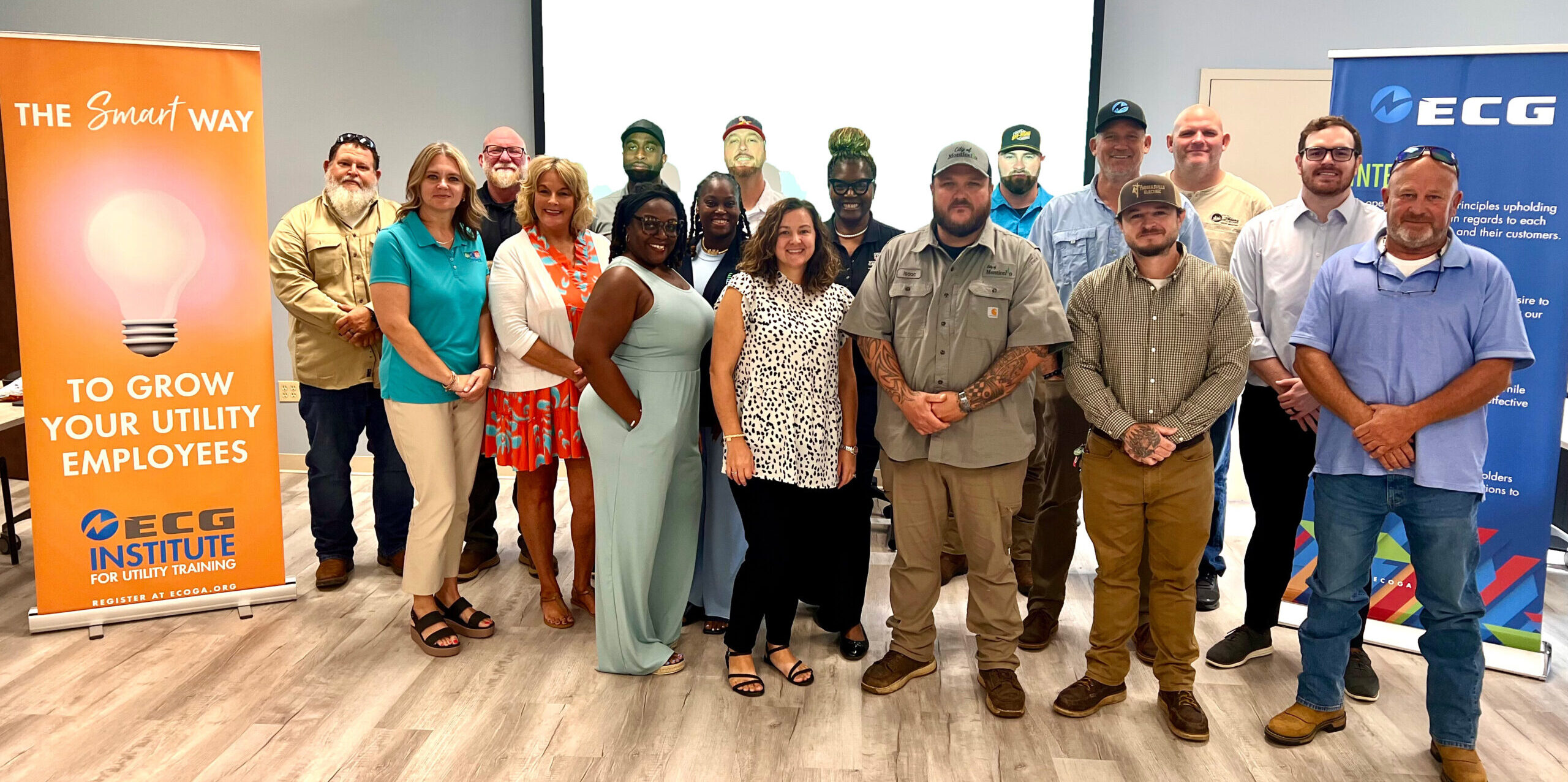
Better Leaders, Better Communities: The Importance of Leadership & Training

- Leadership training strengthens local government by improving efficiency, responsiveness, and service delivery for both residents and businesses.
- Well-trained supervisors directly impact economic development by streamlining processes, supporting site readiness, and creating development-friendly environments.
- Investing in training builds a pipeline of strong leaders, ensuring continuity, stability, and a forward-thinking community that attracts business investment.
In local government, the role of supervisor extends far beyond managing daily operations or overseeing staff.
16 May 2025

Economic Development Week: The Power of Partnerships
So, #EconDevWeek has come to an end but it got us thinking… about the amazing work that economic development pros are doing in our Georgia Energy Cities. You know… the folks behind the scenes forging partnerships like the collaborations between utility companies, Development Authorities, schools, and local governments that have led to some incredible outcomes.
21 Apr 2025

Retail Demand Is Still Strong!
If you’ve been keeping tabs on recent retail news, chances are you’ve heard several retail brands, Big Lots, Forever 21, Joann Fabrics, Party City, and others, made headlines with closures. Although these closures raise concerns, the truth is that demand for retail space is still high!
26 Feb 2025
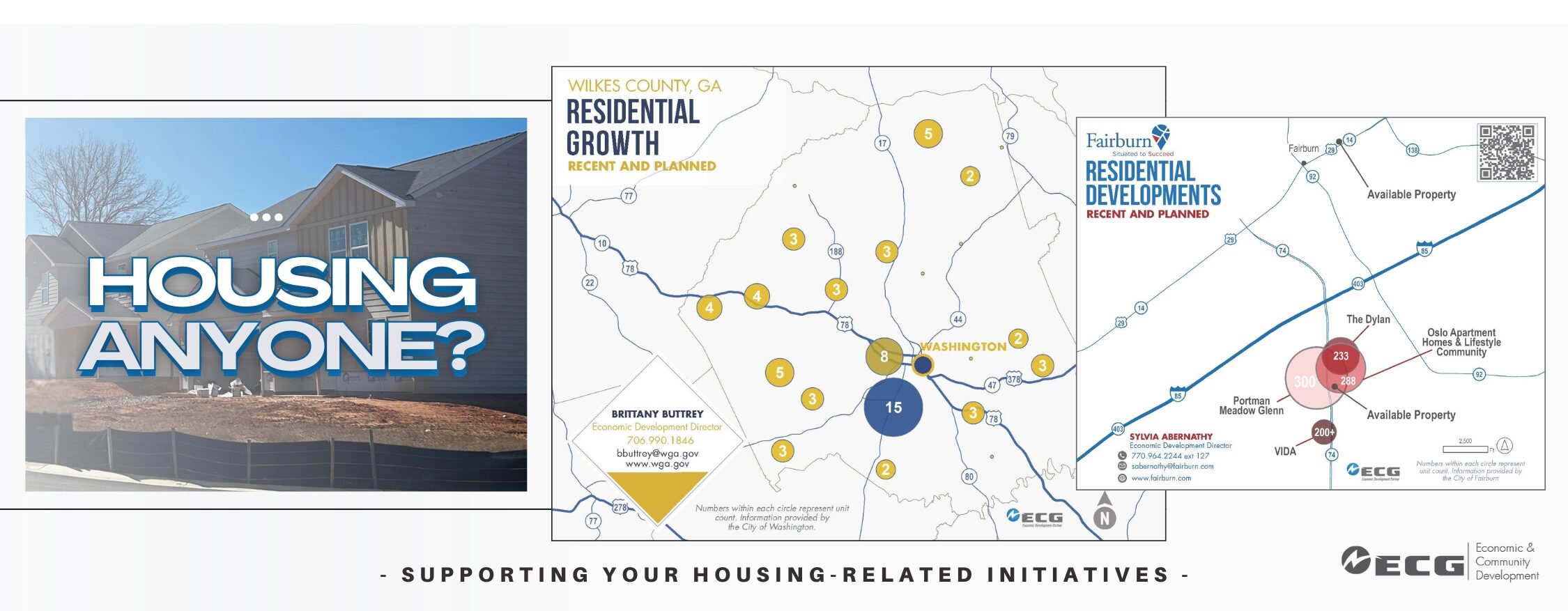
Building Stronger Communities: Key Housing Strategies for 2025 and Beyond

Did you know that in 2024, KB Advisory Group estimated that Georgia needs an additional 714,779 housing units to meet its current housing needs?
ESRI’s Business Analyst estimates that roughly 322,000 housing units were built in Georgia from 2010 to 2020.