
13 Nov 2025
Georgia Retail Update: Retailtainment, Amenity-Driven Properties, and Public/Private Partnerships
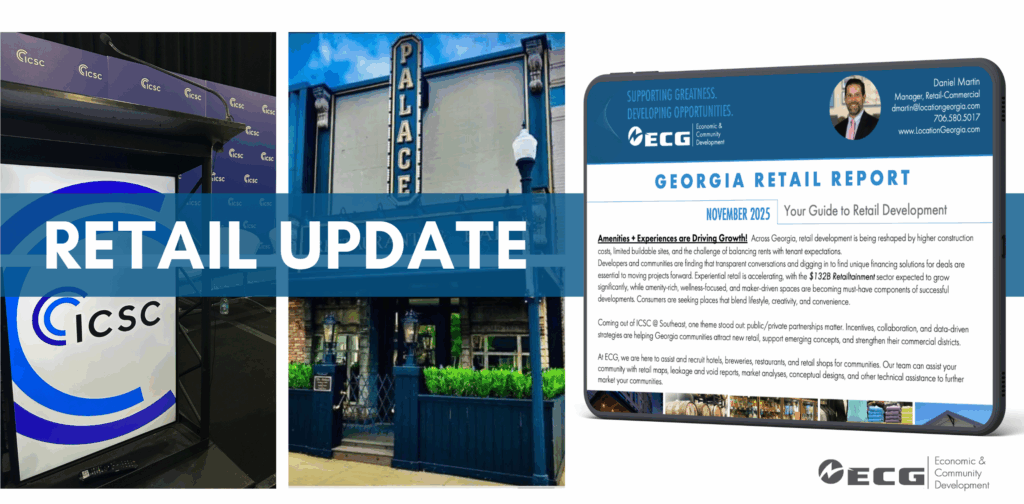
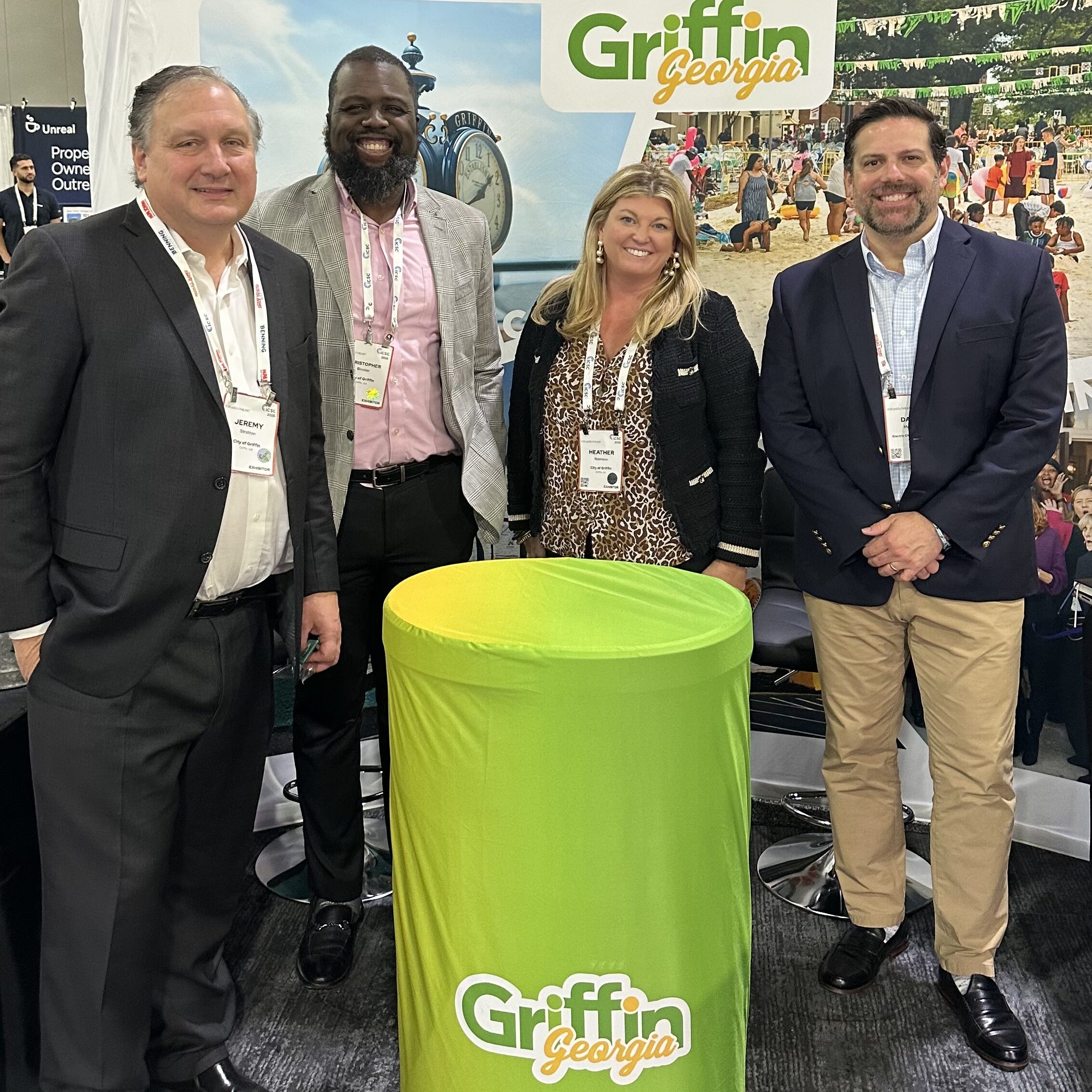
Our retail team participated in another successful ICSC Southeast event in Atlanta this past October! The event, held at the Georgia World Congress Center, included insight into the hurdles developers continue to face.
These hurdles include rising construction costs, limited/unique site challenges, and navigating the conundrum of rental rates/NNN costs (operating costs such as property taxes/insurances/maintenance), and what a tenant/buyer will actually pay. While market challenges are nothing unique to commercial real estate, landlords and municipalities are seeing more fruitful results of working together through transparent conversations, and digging in to find unique financing solutions for deals.

ICSC @SOUTHEAST 2025 HIGHLIGHTS
Retailtainment:
- The $132 billion experiential retail market is projected to more than quadruple by 2035 as brands and landlords invest in immersive experiences.
- Retailtainment can range from subtle design touches to large-scale events, with elements like live performances, gamification and brand partnerships.
- Steve Triolet, from Partners Real Estate, describes retailtainment as being in its “honeymoon phase,” though some concepts risk oversaturation.
- Landlords have seen increases in foot traffic and how long people stay when they add fun, entertainment-focused features.
- Experts say best-in-class retailtainment formats will endure while others fade, with top-tier malls leading the way in experiential offerings. *Source ICSC


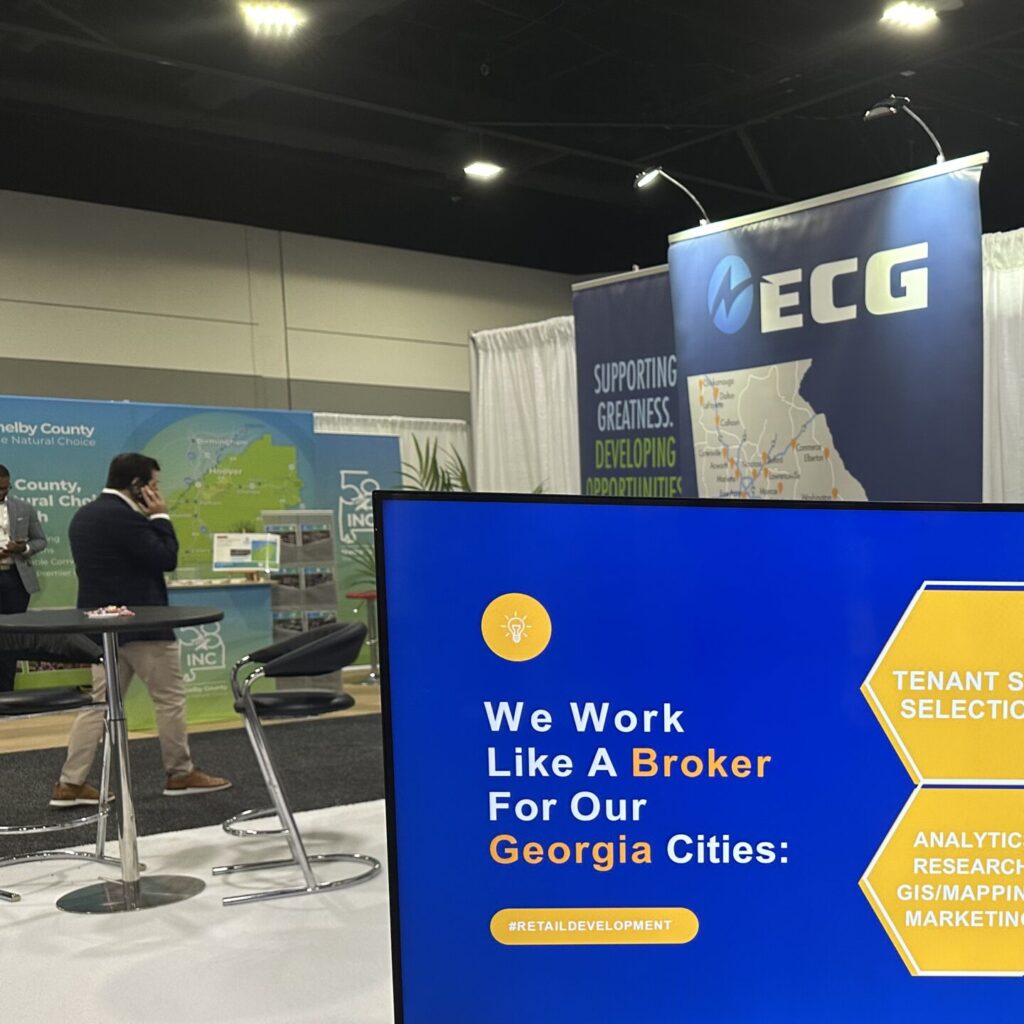

Amenity Driven Properties:
- Amenities like community halls and event space for private events and public gatherings bring value to those who work or live at a development.
- As flexibility in work locations continue, there is a greater demand for a larger variety of workspaces, going beyond traditional offices and buildings dedicated to specific companies.
- With the emergence of self-care and “treat yourself” mantras, healthcare is no longer seen just as treatment for an illness or injury. The meaning now expands to beauty, wellness, fitness, and more, and consumers are demanding these services be more accessible.
- Creating a district of offerings for creative minds; a sort of Maker square can add a layer of richness to a neighborhood. A hub for boutiques and pop-up brands could co-mingle with tech startups that offer access to tools, space, and classes in 3D printing, machinery, creative software, or glass blowing for hobbyists and budding entrepreneurs.
Public/Private Partnerships:
- The Developers Showcase at ICSC Southeast further outlined the call for developers and development authorities to come together to make a deal happen. Toro Development, Oldacre MacDonald, and Edens all outlined signature projects in progress and how working with the local governments in structuring incentive packages was the key in getting new developments off the ground.
- There’s an ever-present call to cultivate new and unique concepts, primarily in the food and beverage industry. We all want that mom & pop experience with an outdoor patio, right? Many of these concepts have a ceiling of what they can pay, but with the expensive costs in development and the maintenance, insurance and taxes being added to the rent, their overhead is beyond what they can afford. Incentive packages are helping developers bridge that gap by lowering the costs of site prep, construction and any other items to aid in getting their proforma to work for tenants/buyers.
2025 RETAIL ROUNDTABLE HIGHLIGHTS
In September, ECG hosted its annual Retail Roundtable at The Palace Restaurant in Sylvester, GA. This annual event is another educational opportunity for commercial real estate practitioners to interface with our community leaders and local economic developers. This year, Josh Wulz, Principal with Otter Creek Holdings, and Ritz Chopra, Senior Director with Terra Alma, shared insights into the current retail landscape and opportunities for communities to consider.


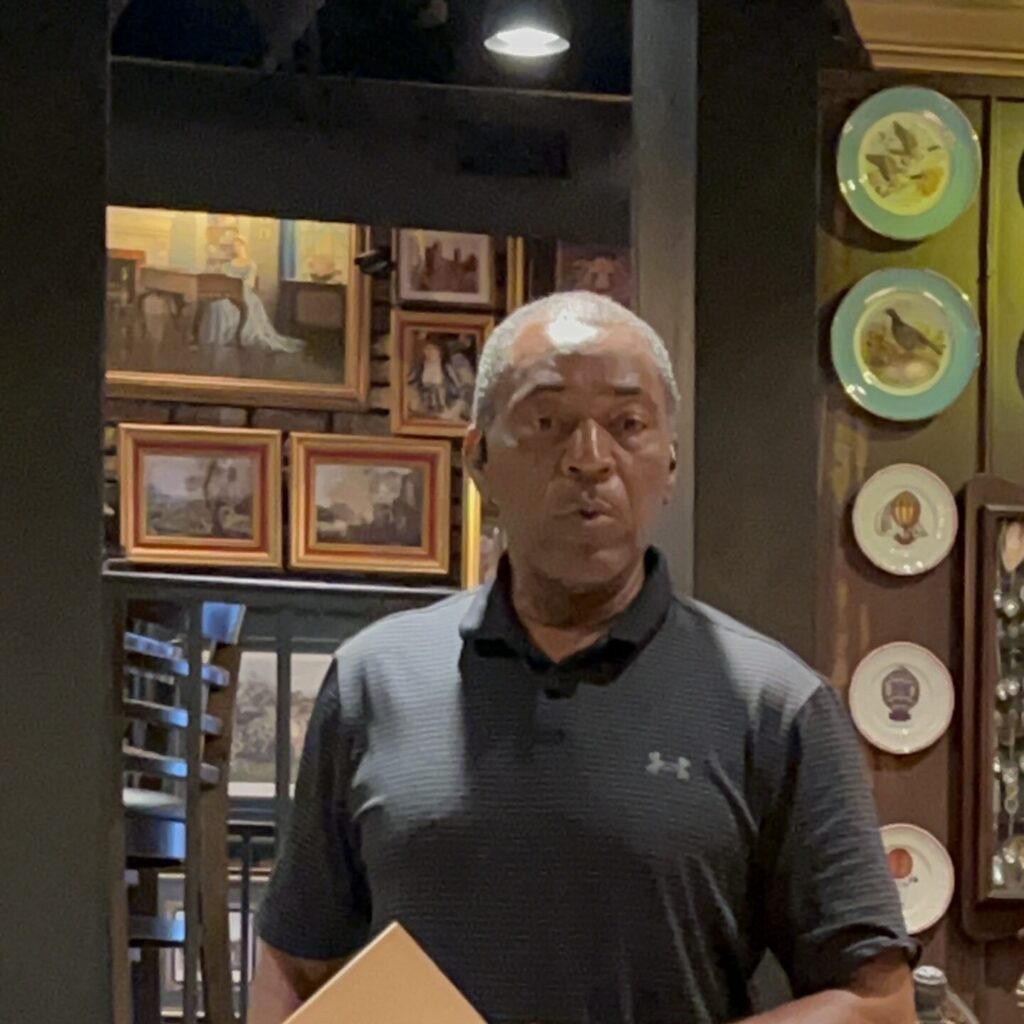
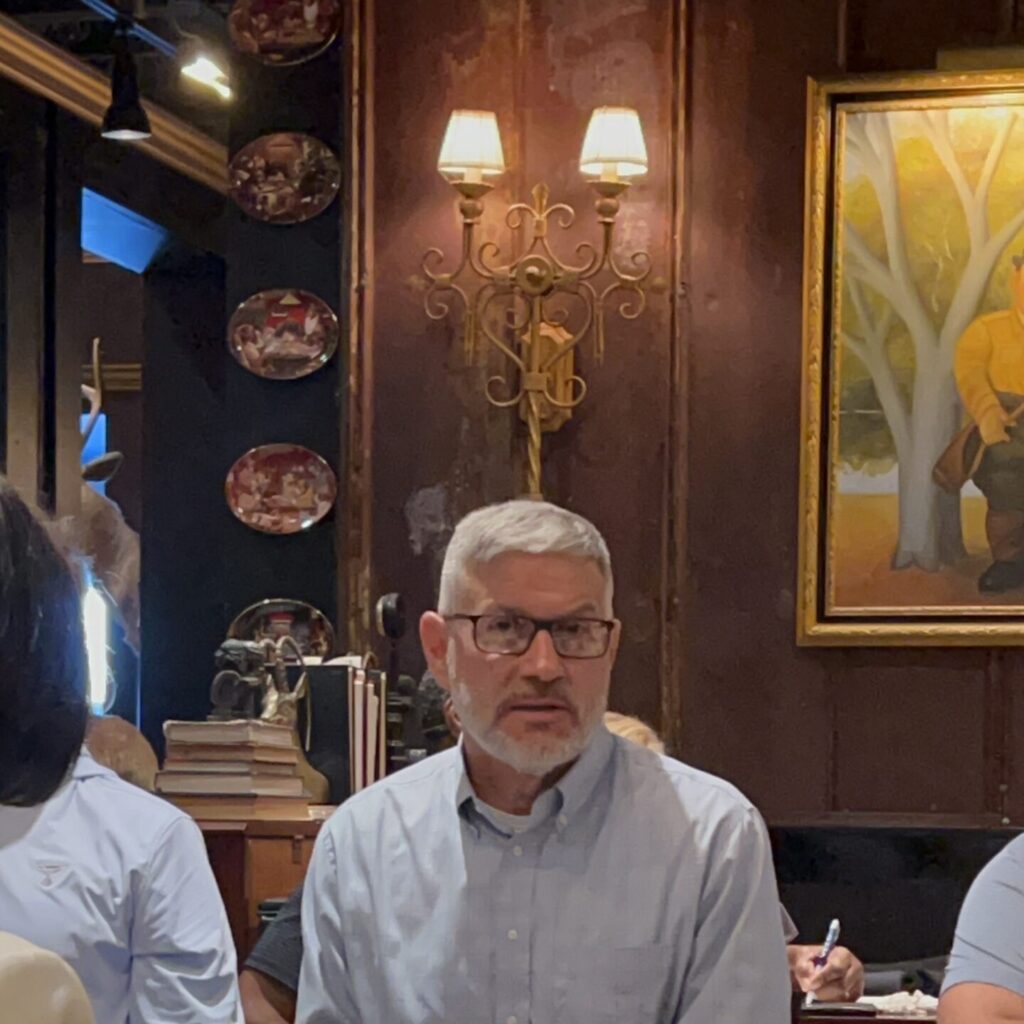
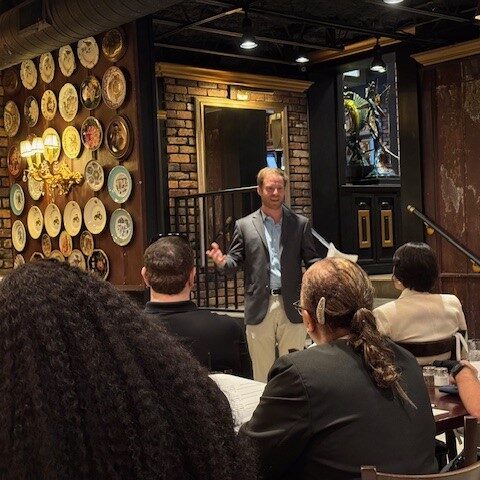

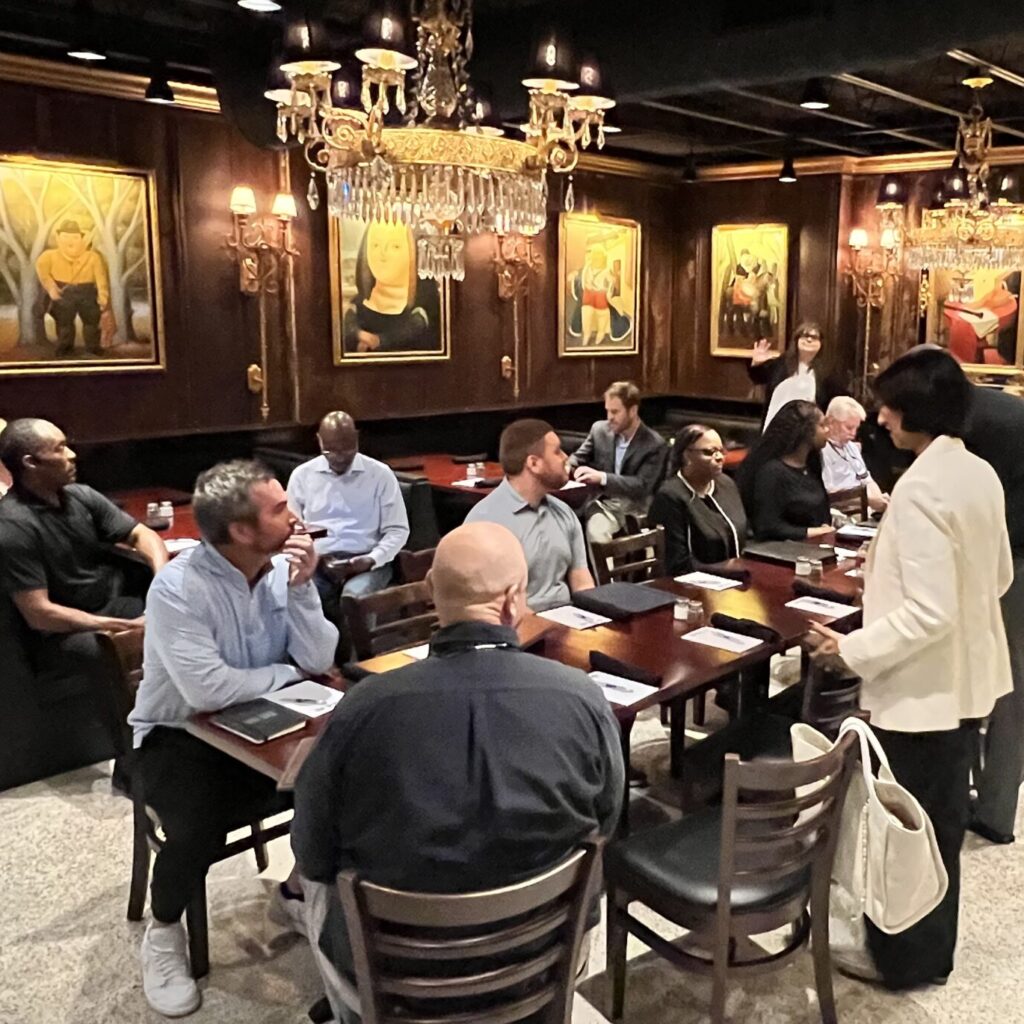




Josh Wulz outlined the current challenges of construction inflation, capital market constraints, and retailer selectivity. He then added that “communities that embrace speed, site readiness, strategic incentives, and genuine partnership will thrive in this selective but opportunity-rich environment.”
Ritz Chopra explained the return on investment (ROI) of Placemaking, highlighting the key points as follows:
- $1 in placemaking investment → $3–5 in local retail/restaurant sales.
- Downtown vacancy drops 15% with incremental retail incubators.
- Community events extend visitor dwell time by 40% and increase restaurant sales by 20% on event days.
- Walkable blocks = higher property values, stronger tax base, and better business retention.
GEORGIA RETAIL 2025 REPORT
Amenities + Experiences are Driving Growth! Across Georgia, retail development is being reshaped by higher construction costs, limited buildable sites, and the challenge of balancing rents with tenant expectations.
The Georgia Retail Sales Tax by Commodity report (January 2021 – September 2025) from the Georgia Department of Revenue confirms where Georgia’s buyers continue to invest their dollars, and where retailers, developers, and communities can expect the strongest and most reliable demand. The data reinforces the momentum behind retailtainment, amenity-driven developments, and service-based offerings, showing that consumers are not only spending, but spending in ways that align directly with the experience-forward, lifestyle-centered trends shaping today’s retail strategies.
Dive into the full report below to understand the trends shaping Georgia’s retail future, what today’s market shifts mean for landlords and developers, and why these insights matter for communities across Georgia. Incentives, collaboration, and data-driven strategies are helping Georgia communities attract new retail, support emerging concepts, and strengthen their commercial districts.