
04 Sep 2025
The Race to Be Ready: How to Turn a Location into Opportunity

Site selectors aren’t looking for perfect communities; they’re looking for prepared ones. While major metropolitan areas attract most focus regarding economic development, rural communities offer several qualities that appeal to companies: resilience, affordability, availability of resources, and long-term partnerships.
Each one of these factors plays into site selection, and getting them right is how rural communities turn potential into success. When paired with transparency, a clear plan to overcome challenges, and a compelling story that sets them apart, these communities can turn a location into a real opportunity.
Our team sat down with a few site selectors to hear what really matters when it comes to turning a location into an opportunity. The message was clear: site selection is not just about the land, but it is also about talent, speed to market, infrastructure, and community readiness.
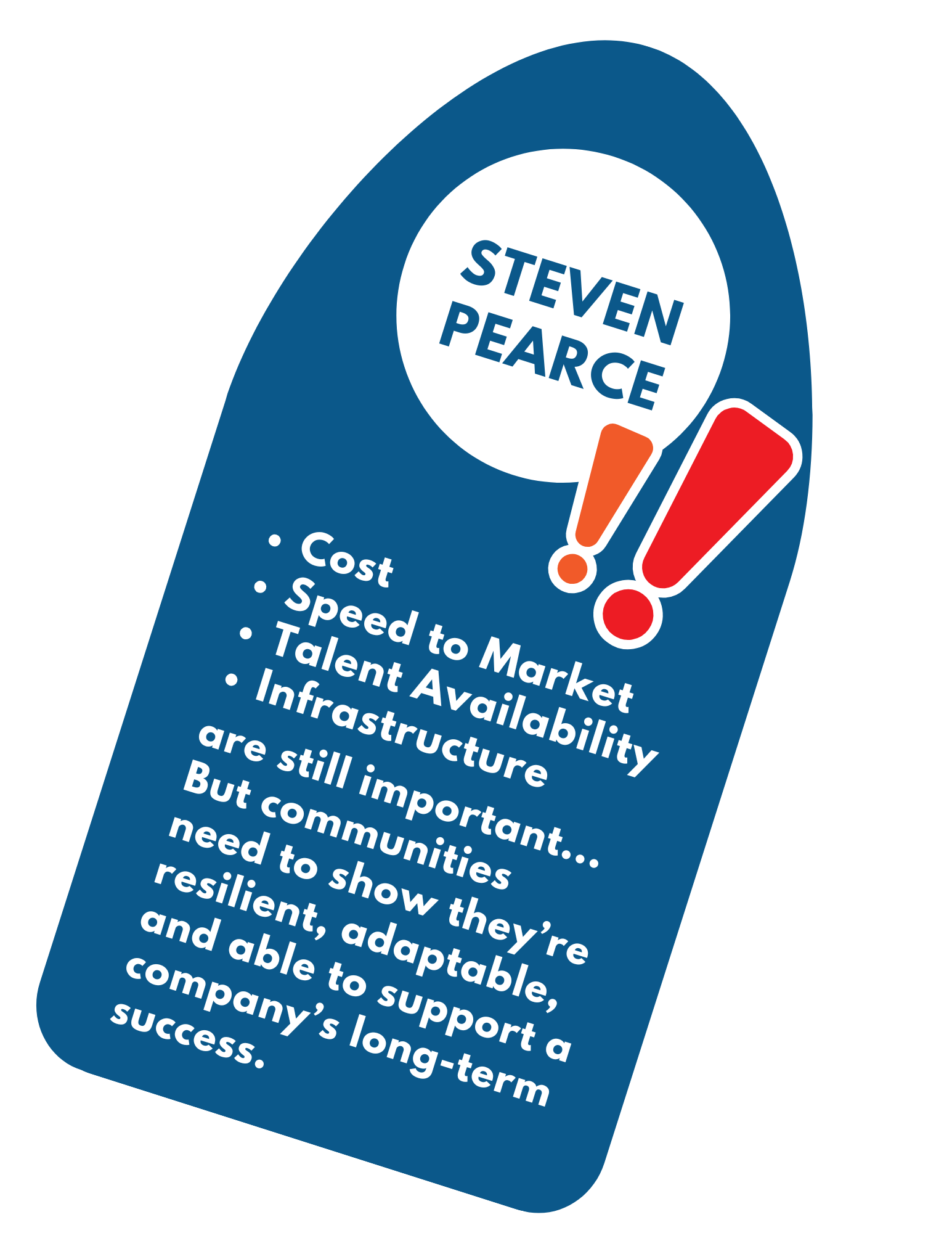
Steven Pearce with McGuire Woods Consulting explains, “Cost, talent availability, infrastructure, and speed to market are still important, but timelines have gotten shorter. Communities need to show they’re resilient, adaptable, and able to support a company’s long-term success.” In today’s market, many companies are making decisions in 6 to 12 months, so that means communities have to be shovel-ready with data in hand, partners aligned, and site fully prepared.
“42% of companies shared that the expected timeline for new facilities or expansions is less than one year.” (Area Development 21st Annual Consultants Survey)
Infrastructure is quickly becoming one of the most critical factors in site selection. Pearce points out that available electric utilities are now a make-or-break issue for manufacturers, “Manufacturers can’t just assume that the available electricity is going to be there for them, so they’ve got to really do their due diligence more than they ever would have in the past.”
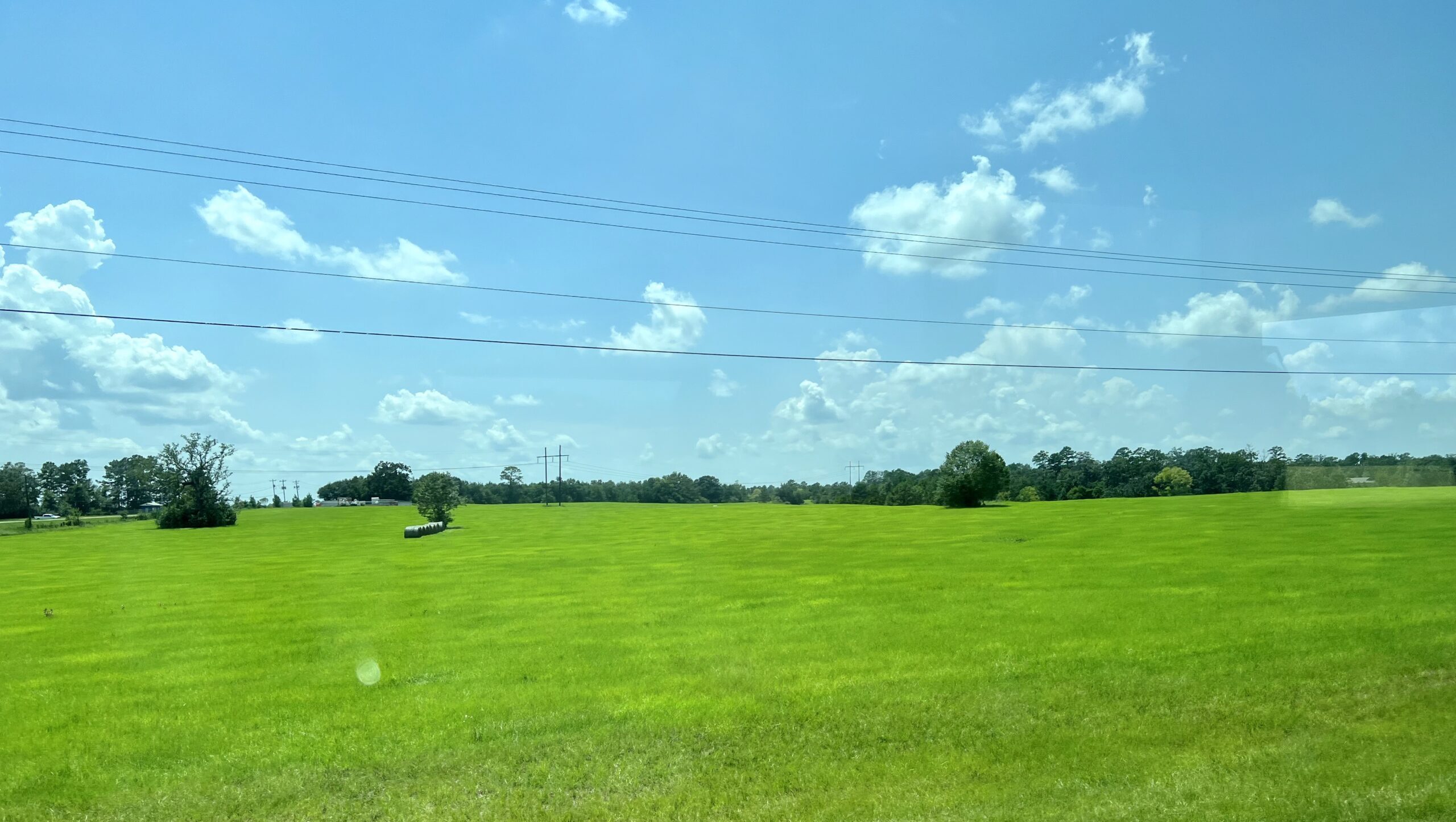
U.S. data center electricity use is expected to double by 2030, making energy a top consideration for site selectors. (International Energy Agency, 2024)
Alex Patrick, Senior Advisor with the Bradley Group, echoes this sentiment, “Electricity is becoming an issue across the country – no one is exempt from this. Utilities can no longer guarantee they can serve 50-75 megawatts. More and more utilities must take a hard look at what they can support infrastructure-wise. Electric utilities are now asking additional questions [toward prospective businesses] for usage.”
What makes your community stand out?
1. Preparation and Transparency: Do not hide issues like zoning limits or tax structures. Companies see through it, so be up front and show them how you intend to solve these situations. Site selectors like Pearce recognize, “No community is perfect, but we expect transparency about challenges and a plan to overcome them.”
2. Public-Private Partnerships: Communities that can quickly bring industry leaders to the table to vouch for the local business climate instantly earn credibility, “Oftentimes, the best storytellers are your existing businesses.” (Pearce). These partnerships play a pivotal role in aligning workforce training with industry needs. “Labor demands are changing with AI, automation, and new types of machinery and equipment. We don’t know the skill sets of the future that will be required for some production roles in the next 5-10 years.” (Patrick)
3. Craft a Narrative: Submitting the completed RFI is only the first step – offer an authentic, loyal, and cultural story to appeal to companies. According to an Area Development Survey, 65% of site selectors say that community quality of life influences the final decision. “We want to hear a story that makes your community unique.”
Site selection is where rural potential becomes economic reality. By preparing sites, telling compelling stories, and building strong relationships, rural communities can create more opportunities for growth.