
26 Jan 2026
Downtowns Don’t Market Themselves: The Work Behind Great Main Streets
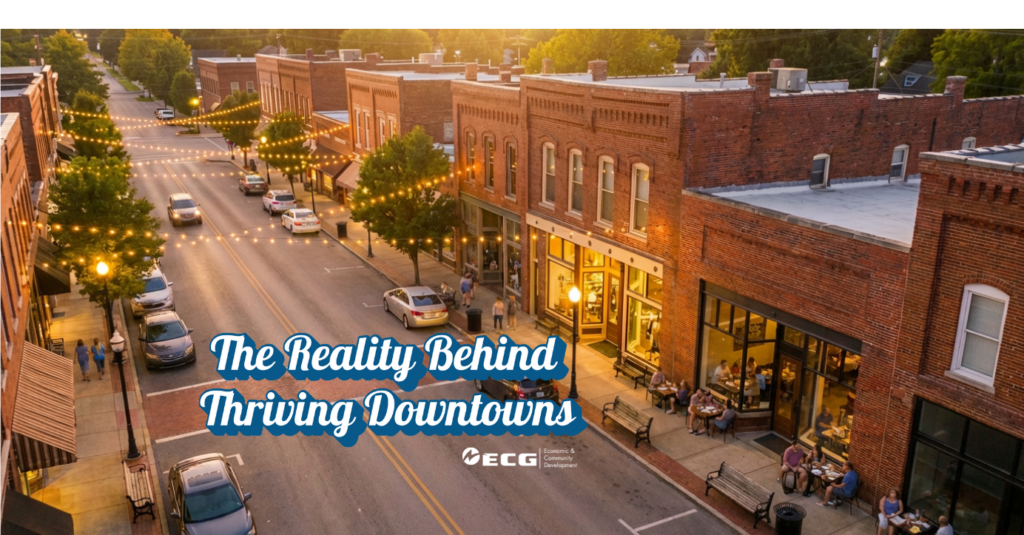

Great downtowns rarely happen by accident. They are the result of consistent, intentional work by local leaders, economic development professionals, business owners, and community partners who understand that their Main Street must be actively shaped, promoted, and cared for.

Downtowns don’t market themselves, and in today’s environment, visibility and experience matter more than ever. For many downtowns, the challenge isn’t always the lack of charm or history. It’s about turning those assets into a downtown that feels active, welcoming, and worth visiting.
They are no longer competing only with neighboring cities.
They’re competing with convenience, with online shopping, with the question residents quietly ask: “Is there anywhere here I actually want to go?” Residents want more places to gather, dine, and spend time. Business owners want foot traffic. Visitors want clarity. Effective downtown marketing sits at the intersection of all three.
Start With Visibility, Not Volume
Marketing your downtown is about experience, not excess. Doing more isn’t always better; doing the right things consistently is what matters. More signs, more banners, and more messaging don’t automatically lead to better outcomes. In fact, clutter can dilute identity. The goal is clarity and cohesion.
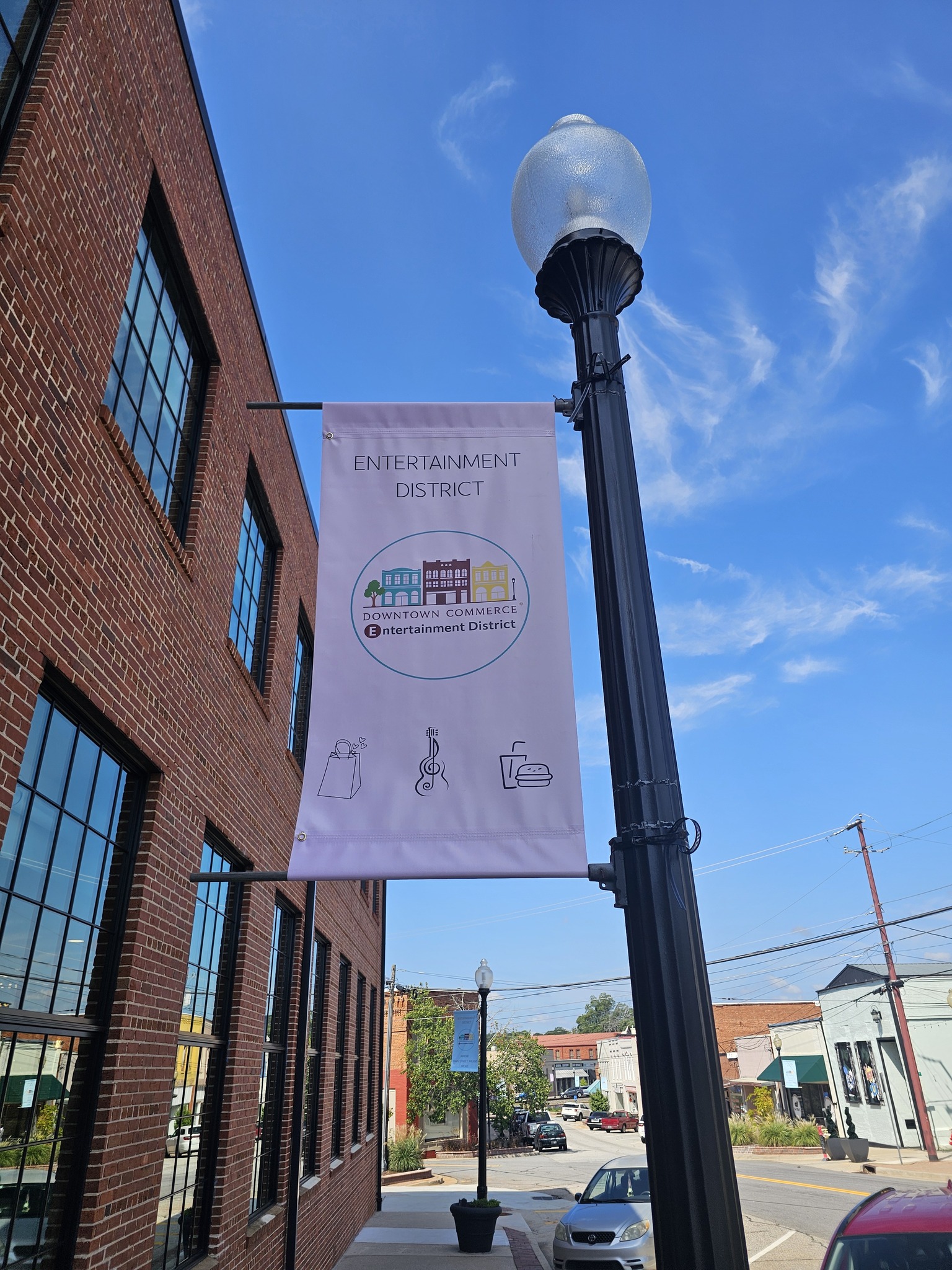
Simple tools work when they’re done well:
- Street flags that reinforce downtown branding and create a sense of arrival
- Tasteful window signage that highlights upcoming events and promotions without obstructing storefront visibility
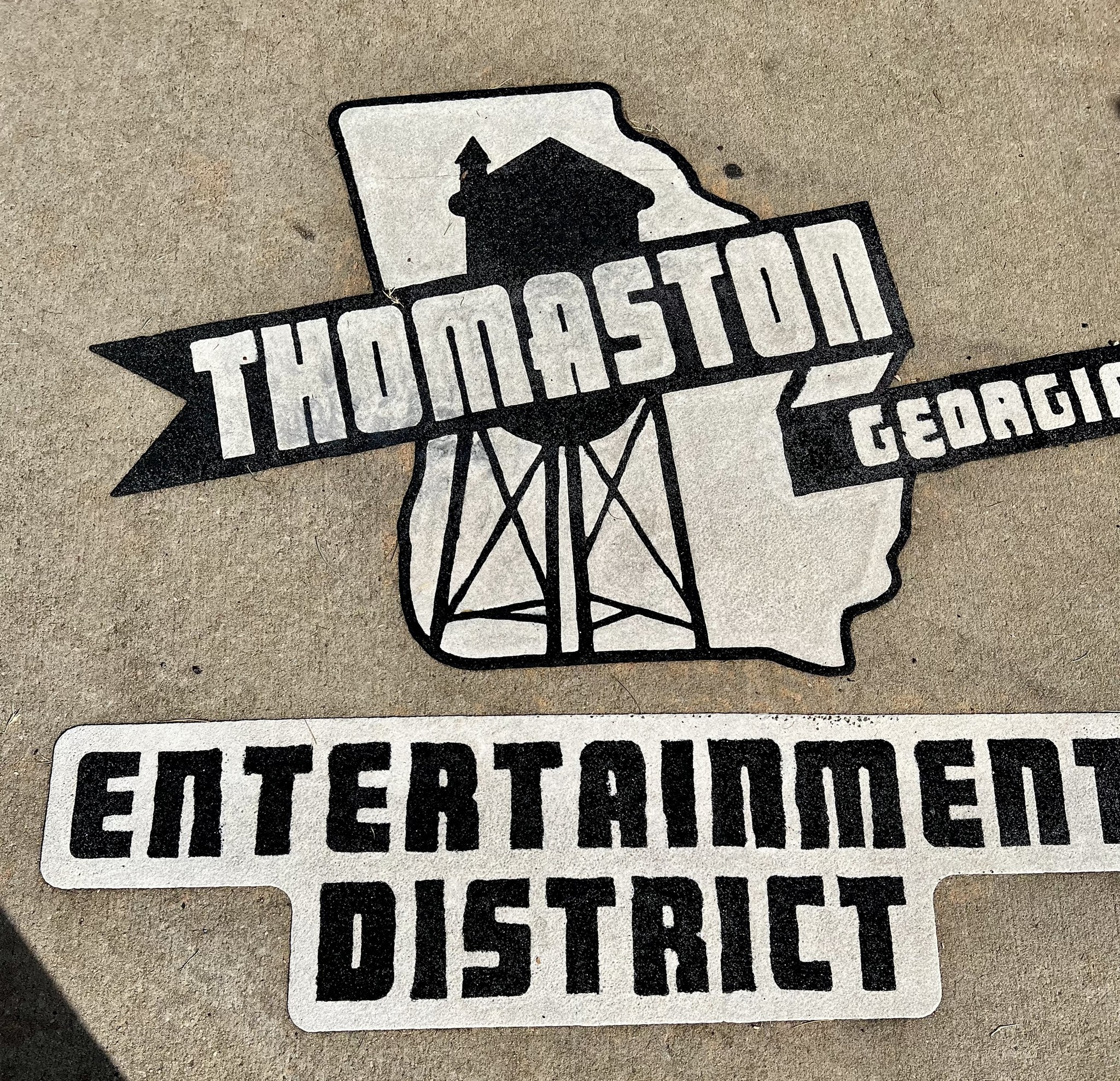
- Sidewalk decals or subtle signage that guide foot traffic, point to clusters of businesses, or share short messages about what’s nearby
The key is restraint. Do it, but don’t overdo it. Downtown should feel curated, not crowded.
Make Discovery Easy and Natural
People won’t explore what they don’t understand. Downtown marketing should remove friction and answer basic questions quickly: Where do I park? What’s open? What should I see first?
Simple tools can make a big difference. Consider:
- Branding, branding, branding… simple, consistent downtown branding that residents can easily recognize, identify with, and share, so they can naturally market downtown for you through everyday conversations and recommendations.
- QR codes on storefronts or signage that link to a downtown map, event calendar, or business directory
- Self-guided walking tours, whether focused on history, public art, architecture, or food
- Wayfinding, printed or digital maps that highlight where to park, where to eat, and what’s happening today


These tools turn casual visitors into active participants and help businesses benefit from proximity.
Parking Isn’t Optional Marketing
Parking matters more than we like to admit. It’s the first impression of downtown. It isn’t glamorous, but confusion around parking kills visits. Clear signage, shared parking agreements, and straightforward maps help minimize confusion. When people don’t have to think about where to park, they’re more likely to stop, walk, and spend time downtown.
Make parking feel obvious, not abundant. Most downtowns don’t need more parking. They need better communication.
- Use clear, friendly signage that says “Public Parking This Way” instead of regulatory language.
- Create a simple parking map showing where visitors can park and walk.
- Brand parking areas subtly with downtown colors or logos so visitors feel confident they’re in the right place.
- Encourage businesses to tell customers where to park when promoting events. Reinforce the idea that downtown is walkable and connected.
- Add wayfinding signs from parking areas to shops, restaurants, and the square.
- Use sidewalk decals or painted footprints leading from lots to storefront clusters.
Events Attract People… Placemaking Keeps Them There
Events are often the spark that draws people downtown. Chairs lined up before a concert or festival signal momentum, but events are not the entire strategy. Strong downtowns use events as an entry point, then rely on placemaking and consistency to turn first-time visitors into regulars. Events bring people in, placemaking and consistency keep them there.
Ask the harder questions:
- What does downtown feel like on an ordinary Tuesday?
- Is branding consistent across festivals, concerts, and markets?
- Do visitors know what businesses are open during events, and afterward?
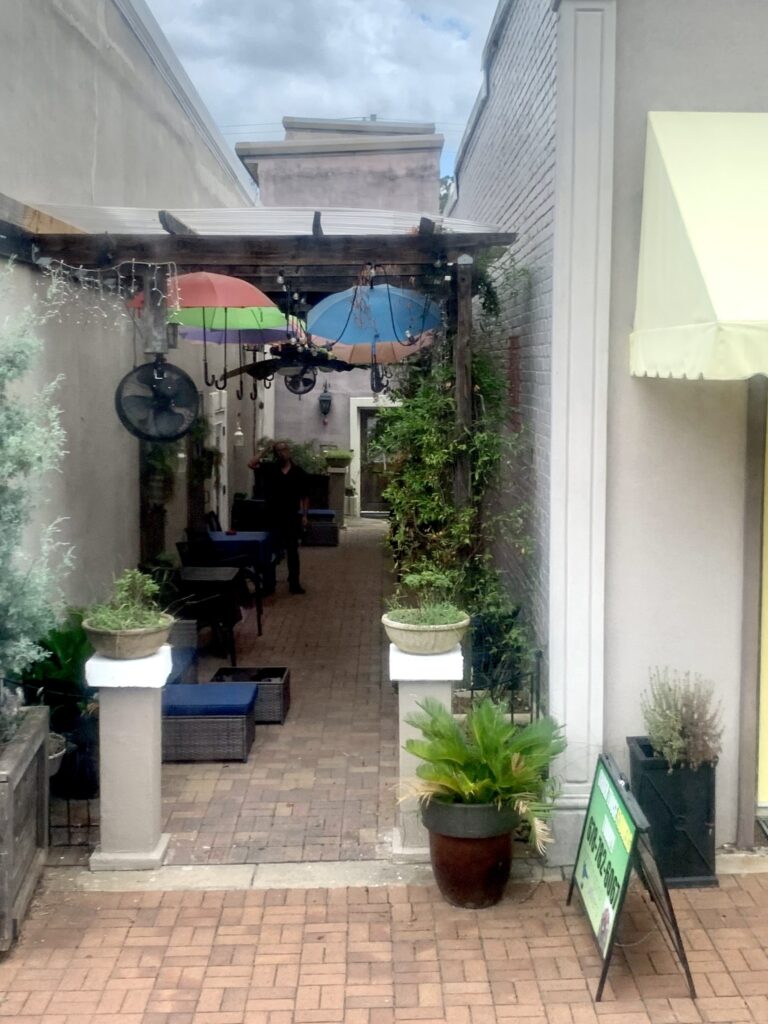
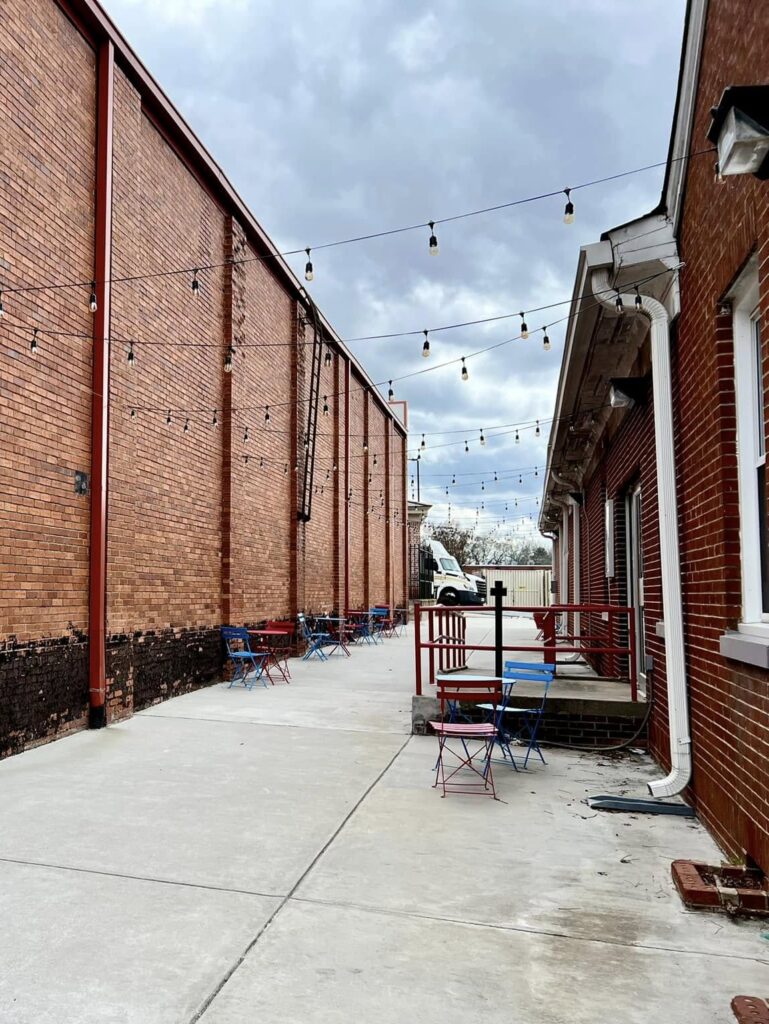
Placemaking works when it gives people a reason to pause. It signals that downtown is welcoming, comfortable, and meant to be enjoyed. Small gathering spaces signal something important: you’re welcome to stay here.
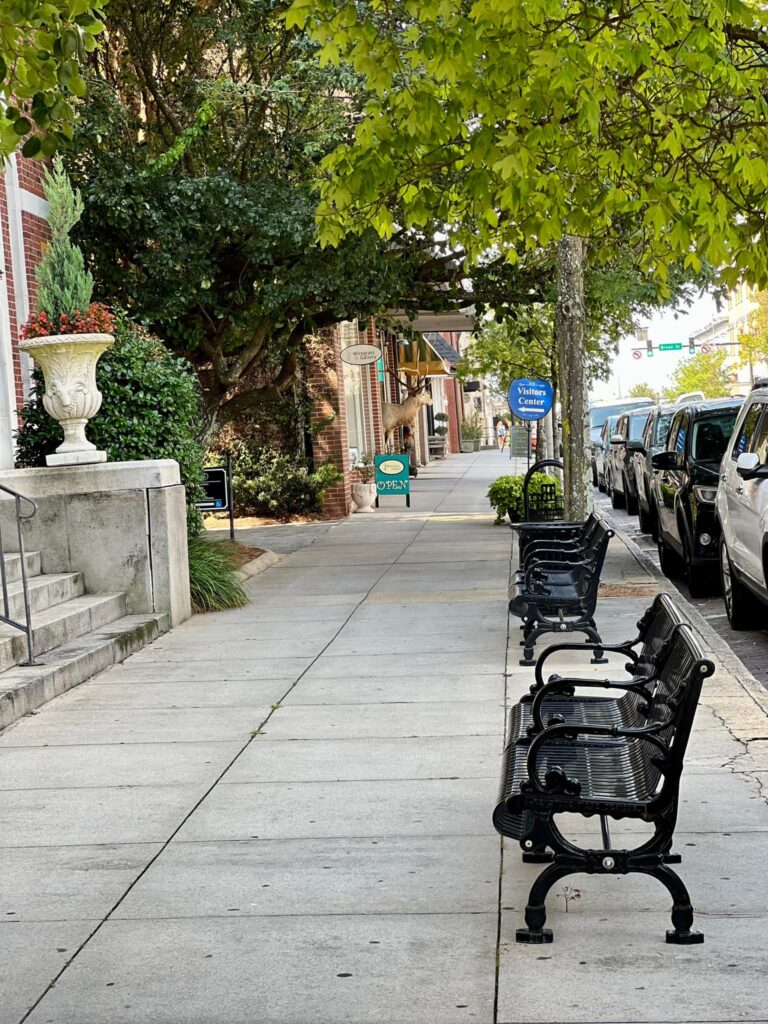
- Small gathering spaces turn downtown from a pass-through into a destination. Benches, shade, lighting, trees, and pocket parks encourage people to linger.
- Subtle touches like banners, public art, or branded utility boxes reinforce identity and promote activity.
- Murals as placemaking anchors are marketing assets that activate blank walls, reinforce local identity, create visual interest, and encourage people to stop, take photos, and spend more time downtown.
Use what you already have. Build from there.

Collaborate and Use Data to Tell Your Story
Downtowns thrive when businesses act like neighbors, not silos. One shared idea often outperforms dozens of individual promotions..
Examples that work:
- A downtown-wide Sip & Stroll where participating businesses offer small tastings or specials
- Seasonal promotions where businesses share one theme, one hashtag, or one visual element
- Coordinated decorating for holidays like Halloween or Christmas, creating a unified look and feel
Many communities are collecting data from events and activities in their downtowns, but are not fully using it. Market Assessments can be powerful tools when shared intentionally.

These aren’t just numbers. They’re proof. Data helps:
- Business owners believe in downtown’s momentum
- Demonstrate return on investment for events and improvements
- Communities track what’s working and what’s not
Support the Businesses That Anchor Your Downtown
Finally, marketing downtown isn’t only about promotion, it’s also about support. It isn’t only external, it’s internal too. Keeping business owners informed about grants, incentives, and funding opportunities helps them reinvest and stay. Strong relationships between local governments and downtown merchants are often the difference between stability and turnover.
- Offer incentives that reduce risk and encourage reinvestment
- Maintain open, honest relationships with downtown merchants
When business owners feel supported, they stay, and staying power is what creates character.
Downtowns don’t need to be trendy; they need to be themselves. Residents don’t always want the newest concept. They want places to gather; Restaurants, Coffee shops, Spaces to sit, talk, and belong. Marketing your downtown isn’t always about chasing the next big thing. It’s about amplifying what already exists, making it easier to experience, and giving people a reason to come back again and again.

Downtowns that flourish know who they are, and they thrive because they are deliberate in shaping their identity, effectively promoting it, and making it easy for people to belong.