Courage and Hard Decisions in Retail and Commercial Development
Some of the most important decisions a community makes are also the hardest to explain in the moment. A while back, my colleagues and I started a book club and read Daring Greatly by Brené Brown. In the book, she reflects on one of my favorite quotes by Theodore Roosevelt’s “The Man In The Arena”…
“It is not the critic who counts; not the man who points out how the strong man stumbles, or where the doer of deeds could have done them better. The credit belongs to the man who is actually in the arena, whose face is marred by dust and sweat and blood; who strives valiantly; who errs, who comes short again and again, because there is no effort without error and shortcoming; but who does actually strive to do the deeds; who knows great enthusiasms, the great devotions; who spends himself in a worthy cause; who at the best knows in the end the triumph of high achievement, and who at the worst, if he fails, at least fails while daring greatly…” Theodore Roosevelt
A reminder that progress rarely comes from the sidelines. It comes from people willing to step forward, make decisions, and accept that not everyone will agree. Retail, commercial, and community development often require the same kind of courage.
The Reality of Development Decisions
Every development decision is ultimately about stewardship, of land, of resources, and of a community’s future. It’s worth asking: are decisions being shaped more by immediate reactions and political pressure, or by what will create lasting value for the community? The communities that move forward are often the ones willing to take the longer view. Leadership isn’t avoiding hard conversations; it’s having them thoughtfully and transparently. This often means discussing projects that bring clear long-term benefits but may face initial skepticism.
“Have the courage to have hard conversations!”
What’s a good example, you ask? Grocery-anchored developments!
We’ve seen communities consider infrastructure improvements or targeted incentives to attract a grocery store to an underserved corridor. Early reactions were mixed, with questions about public investment and whether the project justified the cost. However, sharing data on projected tax revenue, job creation, and the impact of a daily-needs retailer, leaders were able to shift the conversation from short-term expense to long-term value. Often, these grocery stores served as anchors that attracted additional shops, restaurants, and services in the vicinity.
“If a project doesn’t pencil, the conversation isn’t finished!”
One of the realities of development today is that many projects simply don’t pencil without some level of public-private partnership. Rising construction costs, higher interest rates, and infrastructure needs have changed the math in ways that many people outside the development process don’t always see. Bonds, tax abatements, and utility/infrastructure assistance are no longer exceptions; they are often necessary tools to help move viable projects forward.
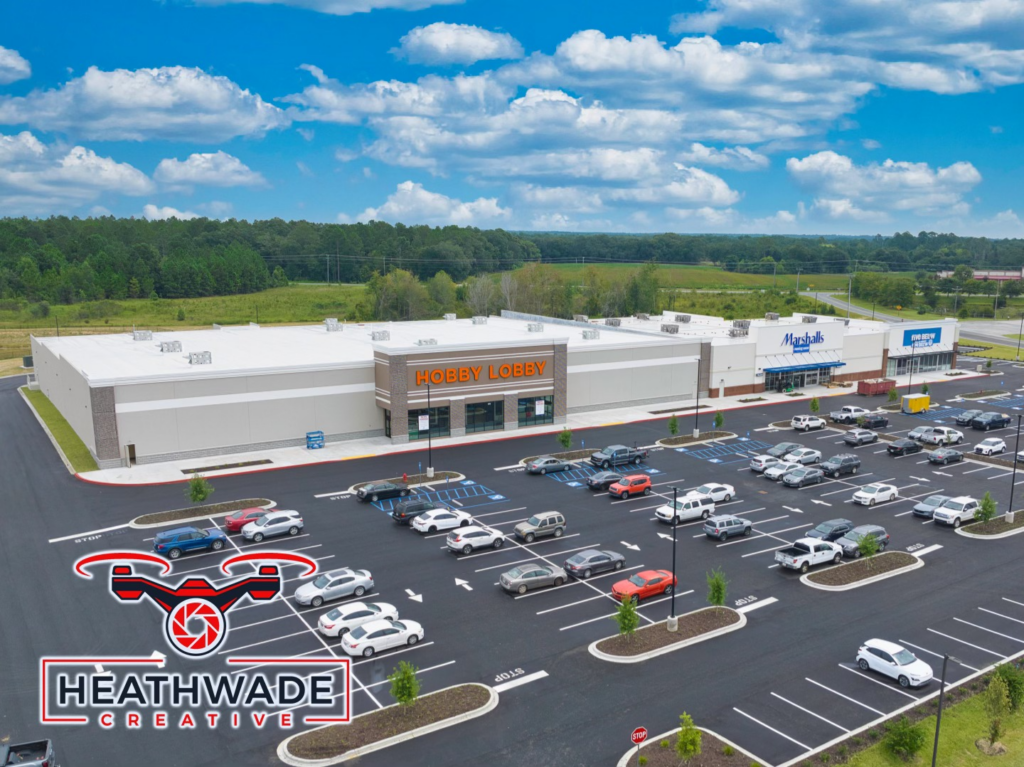
The Moultrie Exchange illustrates the impact of a coordinated public-private partnership. Incentives structured through a city, county, and development authority agreement helped make a $20 million retail development possible, bringing new national retailers and economic activity to Moultrie.
That reality can be difficult to explain, particularly when public funds or incentives are involved. These decisions understandably invite scrutiny, and they should. But the conversation cannot stop at the cost alone; it must also consider the long-term value to the community, jobs created, an expanded tax base, services supported, and momentum generated for surrounding investment.
Retail and housing are closely linked, as retail success depends not only on population numbers but also on a diverse customer base and workforce.
Retailers don’t just follow rooftops; When communities consider housing, retail, infrastructure, and quality of life together, they are building an interconnected ecosystem that works best when all components support one another.
“Willingness is choosing long-term impact over short-term comfort!”
At the heart of many successful projects is a simple trait: willingness! The thread that connects it all… Willingness to listen, to learn, and to consider approaches that may not look exactly like what we’ve seen before. This doesn’t mean lowering standards; it means coming to the table with an open mind and evaluating opportunities based on data and long-term impact.
Communities may oppose certain developments or incentives based on past experiences, which is understandable. For instance, some oppose new convenience store retail, but many newer projects are well-designed, clean, and focused on foodservice and customer experience. Evaluating each project individually can sometimes shift the conversation.
Willingness is about listening and thoughtfully considering options before deciding, not just saying yes.
Back to the Arena
The communities that move forward aren’t always the ones with the most resources. Often, they have leaders willing to step into the “arena,” ask tough questions, have honest conversations, and prioritize long-term decisions.
Based on my experience, the most challenging community development decisions are rarely about current popularity; instead, they focus on what will still matter ten or twenty years from now.
Progress often stems from leaders who engage in tough conversations about incentives, attainable housing, or redevelopment projects to build strong, sustainable communities. Progress is measured by what moves forward when the conversations are uncomfortable but necessary. Progress rarely comes from the sidelines; it requires leaders willing to confront difficult decisions and prioritize the long-term best interests of the communities they serve.